Have you ever grabbed a battery, popped it into a device, and then realized it either did not fit or did not have enough power for what you needed?
Batteries look simple, but behind their shape and size sits a careful balance of voltage, capacity, chemistry, and intended use.
That is exactly why comparing an 18650 vs AA battery is not just a matter of “big vs small.”
It is really about understanding what each battery is designed to do and where it performs best in real life.
When you see these differences clearly, choosing the right one stops being confusing and becomes surprisingly logical.
What 18650 And AA Batteries Actually Are
Before comparing performance, it helps to know what each one truly represents.
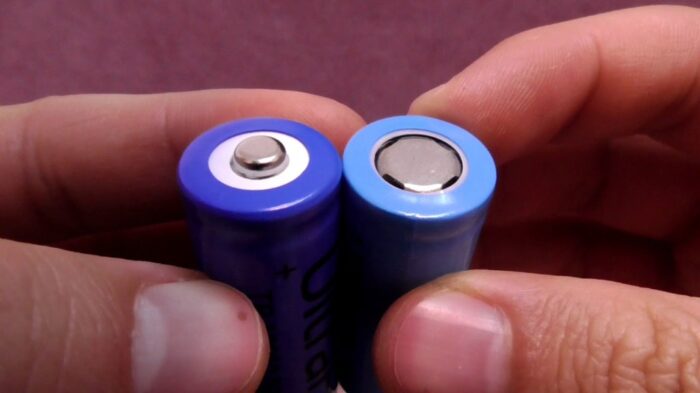
The term “AA” refers to a standard size that has powered flashlights, remotes, toys, clocks, wireless peripherals, and small home devices for decades.
AA batteries come in alkaline disposable versions, as well as rechargeable NiMH variants.
The 18650, on the other hand, is a rechargeable lithium-ion cylindrical cell commonly used in high-drain electronics, tools, laptops, power banks, e-bikes, and professional flashlights.
It is respected for its strong energy density and higher working voltage.
Both battery types serve everyday life, but they clearly belong to different performance categories and device expectations.
Size Differences Explained
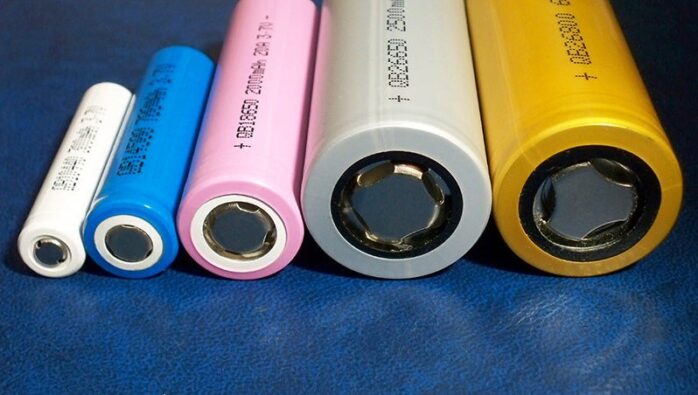
Here is where the first major difference shows up very clearly. The 18650 is physically larger, which allows it to store significantly more energy inside.
AA batteries are much smaller, which makes them ideal for compact consumer devices that do not require massive current draw. The table below helps visualize it a bit better.
| Battery Type | Approx Size | Typical Voltage | Common Use |
| AA | 14 x 50 mm | 1.2V (NiMH) or 1.5V (alkaline) | Household devices |
| 18650 | 18 x 65 mm | 3.6 to 3.7V | High-drain electronics |
Under that simple size difference lies a design philosophy. AA focuses on versatility and availability. The 18650 prioritizes power and endurance.
Voltage And Power Delivery
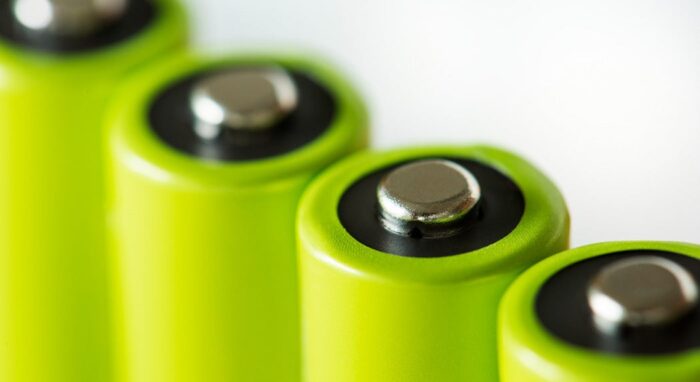
The next difference is voltage. A standard AA alkaline battery delivers around 1.5 volts, while rechargeable NiMH AA versions work around 1.2 volts.
The 18650 battery typically operates at about 3.6 to 3.7 volts, which means far more energy per cell.
This higher voltage is why many demanding devices prefer lithium cells. Interestingly, there is also a middle-ground form factor worth mentioning: the li-ion cylindrical cell 14500 750mah 3.7v.
It is physically similar to AA in size, but uses lithium chemistry and 3.7V output, so it is powerful without being physically large like the 18650.
This kind of variety shows how differently voltage and size combinations can be engineered for specific device needs.
Capacity And Runtime In Real Use
Capacity decides how long a battery actually lasts.
A typical AA NiMH rechargeable battery usually provides around 1800 to 2700 mAh, while most alkaline AA cells are not measured in the same straightforward way but generally deliver less effective long-term power for high-drain devices.
The 18650 battery commonly ranges between 2600 and 3500 mAh, and better quality versions can sustain high current draw without dropping performance sharply.
That is why power tools, advanced flashlights, and demanding electronics rely on them.
They simply keep energy delivery more stable for longer periods, while AA batteries shine more in low to moderate drain situations.
Where Each Battery Fits Best
Choosing between an 18650 vs AA battery becomes easier when you think about real usage rather than numbers alone.
AA Batteries work best when:
• Devices are simple, small, and energy demands are modest
• You value affordability and easy availability
• You might not always recharge batteries
18650 Batteries work best when:
• Devices require serious continuous power
• You need performance stability rather than just “it turns on”
• You prefer rechargeable, long-cycle solutions for demanding tech
Once needs are clear, the correct choice usually becomes obvious.
Safety, Handling, And Practical Care
Both battery types are safe when used correctly, but lithium cells deserve a bit more respect because of their chemistry.
Quality matters a lot. Reputable brands, proper chargers, and avoiding extreme heat are essential habits.
Do not mix old and new cells, avoid damaged casings, and never charge with unreliable equipment.
Important Note: Lithium batteries should always be charged using chargers designed specifically for lithium chemistry. This maintains stability, reduces overheating risk, and extends lifespan significantly.
Good handling is not difficult, it is simply about being mindful.
Cost, Availability, And Everyday Convenience
AA batteries win when it comes to instant availability and budget friendliness. You can find them anywhere, from supermarkets to gas stations, which is perfect for everyday household devices. Rechargeable AA options also provide a cost-effective long-term approach.
The 18650 battery is usually more expensive up front, but it pays off in performance and lifespan, especially in high-drain devices. It is widely available online and through electronics suppliers, though not always at every corner store.
So affordability versus power density is a very real trade-off users consciously make.
Rechargeability And Environmental Perspective
Rechargeable batteries reduce waste, save money over time, and support more sustainable usage.
AA rechargeable NiMH batteries are fantastic for households because they reduce the constant buying and throwing away of alkalines.
The 18650 battery, being inherently rechargeable, fits perfectly into today’s technology culture that values long-term usage and reduced replacement frequency.
What matters most is pairing the right rechargeable system with the right device.
When batteries are able to be reused responsibly, both convenience and environmental impact improve significantly.
How To Decide Which One You Actually Need
The best way to decide is to ask a simple question: “What does this device expect from its power source?”
If it needs long runtime, strong voltage stability, and the ability to handle demanding loads, the 18650 battery is usually the right answer.
If it is a household item, a small gadget, or something casual, AA batteries are wonderfully reliable.
Think about availability, charging habits, and how long you expect the battery to serve. Clarity comes once usage, practicality, and expectations line up.
Final Thoughts
Comparing an 18650 vs AA battery is not about declaring a winner. It is about understanding that battery design follows purpose.
The AA battery represents simplicity, everyday reliability, and universal convenience.
The 18650 battery represents strength, advanced capability, and endurance.
When you choose based on what a device really needs, you get longer life, better performance, and a far smoother experience with your electronics.
FAQs
Can I replace AA batteries with 18650 batteries in the same device?
No. They are different in both size and voltage. Using the wrong type can damage the device or simply not fit physically. Always follow the device manufacturer’s battery instructions.
Are all 18650 batteries rechargeable?
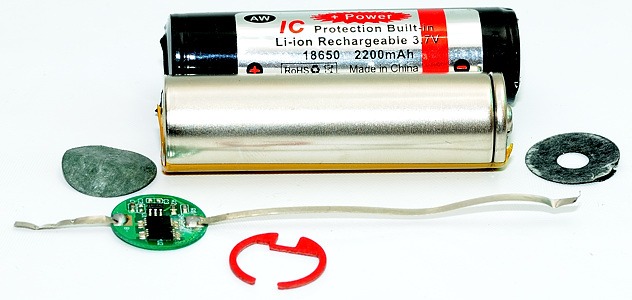
Yes. The 18650 format is inherently designed as a rechargeable lithium-ion cell. However, there are protected and unprotected versions. Protected cells include built-in safety circuitry, which many consumers prefer.
Do rechargeable AA batteries perform better than disposable ones?
In many moderate-drain devices, rechargeable AA NiMH batteries offer more consistent power delivery compared to alkalines, which tend to drop voltage as they discharge. They are also more cost effective over time.
Is the 14500 battery the same as AA?
Size is similar, but performance is not. A 14500 is a lithium-ion battery that usually outputs about 3.7 volts. Many devices built for AA batteries are not designed for that voltage, so compatibility must always be checked.