
Singapore often ranks among the worlds healthiest countries despite having no large natural resources. How does a dense city state manage that result year after year.
The answer sits in a tightly structured healthcare system that mixes public support with personal responsibility. For residents and newcomers alike, the system can feel efficient yet complex. Costs are transparent but not always simple to predict. Insurance plays a central role. Clinics and hospitals operate at very different price points.
This guide walks through how healthcare works in Singapore in 2026, using clear examples and practical context, so you can picture real-life decisions rather than abstract rules.
How the Singapore healthcare system is structured

Singapore healthcare rests on shared responsibility between the state the individual and insurers. Public funding supports essential care while residents contribute through mandatory savings. Private care adds speed and choice at higher prices. The system is built to discourage overuse while protecting against financial shock.
Public hospitals handle most complex treatment. Private hospitals focus on comfort and shorter waiting times. Primary care begins at neighborhood clinics known as polyclinics or private general practitioners. Costs remain regulated but not free.
Healthcare planning often comes up when choosing where to live. Areas with strong transit access and nearby hospitals reduce daily friction. Developments such as Vela Bay appeal to many residents because proximity to downtown and transit makes reaching major medical centers faster. Daily life choices and healthcare access connect more than people expect.
Public healthcare and Medisave basics

Public healthcare forms the backbone of the system. Citizens and permanent residents contribute monthly to Medisave which acts as a personal medical savings account. Funds cover hospitalization approved outpatient treatments and some insurance premiums. The balance follows you through life.
Public hospitals are organized into regional clusters. Each cluster manages hospitals and specialist centers. Subsidies apply based on ward class. More shared rooms bring lower costs. Private rooms raise prices.
Key points many residents learn over time
• Medisave can pay for approved procedures only
• Subsidies depend on citizenship and ward choice
• Bills are itemized and predictable
Public care focuses on efficiency and clinical outcomes. Comfort remains basic. Waiting times exist but emergencies receive immediate care.
Private healthcare and specialist access
Private healthcare fills the gap for those who want flexibility and speed. Private hospitals and specialists allow direct appointments without referrals. Waiting times shorten dramatically. Costs rise just as quickly.
Private general practitioners often operate in residential areas and business districts. Visits feel personal and fast. Specialists cluster around major hospitals. Diagnostic tests happen quickly. Bills vary by provider.
Private care suits professionals with insurance or savings. It also attracts medical tourists. Singapore maintains strict licensing so standards stay high across sectors.
Patients often blend systems. Many use public hospitals for major surgery and private clinics for routine care. This hybrid approach balances cost and convenience. Understanding pricing differences prevents surprises later.
Health insurance in Singapore explained

Insurance in Singapore follows a layered model. Basic coverage begins with MediShield Life. It covers large hospital bills and selected outpatient treatments. Premiums increase with age but subsidies help lower income groups.
Many residents add Integrated Shield Plans. These extend coverage to private hospitals and higher ward classes. Riders reduce copayments but raise premiums.
Important details to remember:
- MediShield Life is mandatory for citizens and residents
- Integrated plans are optional and vary widely
- Pre existing conditions have specific rules
Insurance choices affect long term budgets. Reviewing coverage every few years matters as health needs change with age.
Clinics polyclinics and everyday care
Everyday healthcare begins at clinics. Polyclinics are government run centers offering subsidized primary care dental services and chronic disease management. They require appointments and waiting times can stretch during peak hours.
Private clinics sit on nearly every block. Visits cost more but move fast. Doctors handle minor illness vaccinations and referrals. Many employers cover private clinic visits through group insurance.
Chronic care often stays within polyclinics due to lower long term cost. Acute issues favor private clinics. Pharmacies operate separately. Medication prices differ based on subsidy status.
Choosing between clinic types depends on time budget health status and insurance coverage. Most residents learn to alternate based on circumstance.
Hospitals and treatment costs in practice
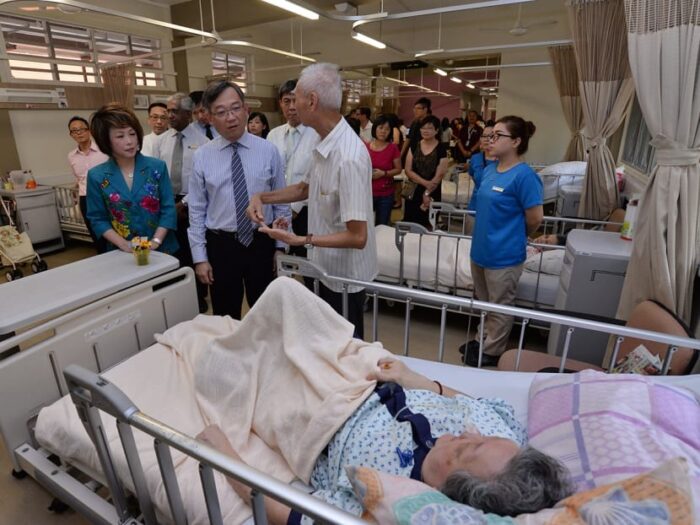
Hospital costs depend on ward class hospital type and treatment complexity. Public hospitals publish price ranges. A short stay in a shared ward costs far less than a private room. Surgery costs vary by specialty.
Below is a simplified cost overview for 2026
| Service type | Public shared ward | Public private ward | Private hospital |
| General surgery | Lower four figures | Mid four figures | Five figures |
| Childbirth | Low four figures | Mid four figures | High four figures |
| Specialist consult | Low hundreds | Mid hundreds | High hundreds |
Prices exclude insurance claims. Planning ward class early affects final bills significantly.
Emergency care and ambulance services
Emergency departments operate in all major public hospitals. Triage prioritizes severity not arrival time. Life threatening cases move first. Minor cases wait longer.
Ambulance services are provided by the civil defense force. Charges apply but remain moderate. Private ambulances exist for non emergency transport and cost more.
Emergency care costs vary based on outcome. Admission raises the bill. Discharge after observation keeps it lower. Insurance covers most emergency admissions under approved plans.
Residents often underestimate emergency wait times for non urgent cases. Knowing nearby urgent care clinics can save hours during evenings or weekends.
Healthcare planning in Singapore

Did you know that Singapore spends a smaller share of national income on healthcare than many developed countries while achieving longer life expectancy. The system relies on cost awareness rather than unlimited coverage. Patients see real prices and make informed choices.
This approach reduces unnecessary testing and specialist visits. It also encourages preventive care. Health screenings receive subsidies. Vaccination programs stay strong.
A key lesson for newcomers involves budgeting. Healthcare rarely causes financial ruin but it requires planning. Insurance gaps matter. Savings matter. Understanding the system early prevents stress later.
Singapore healthcare rewards those who learn how it works rather than those who ignore it.
Choosing the right healthcare setup for your life
Healthcare decisions connect to lifestyle work and housing. Proximity to clinics hospitals and transit shapes daily experience. Families prioritize pediatric access. Older residents value chronic care centers.
Insurance choices align with career stage. Young professionals often choose higher deductibles. Families seek broader coverage. Retirees focus on hospital limits.
There is no single right setup. The system allows adjustment over time. Reviewing coverage location and clinic preferences every few years keeps plans aligned with reality.
Living in well connected neighborhoods shortens travel time during illness. That convenience matters more than expected once healthcare becomes personal rather than theoretical.
Singapore healthcare in 2026 remains efficient structured and predictable. Costs stay manageable with planning. The system rewards informed participation. Understanding how insurance clinics hospitals and savings interact gives you control rather than confusion.