A reliable business culture is not built on slogans, posters, or well-worded values. It is built on how consistently people act when nobody is watching. The most direct way to influence those everyday decisions is by helping everyone, from managers to frontline staff, clearly recognize the risks built into their work.
The concrete answer is simple: when employees understand exactly what threats exist in their environment, how those threats develop, and why small lapses lead to large incidents, they make safer decisions, work with more confidence, and support a culture where reliability becomes the norm rather than the exception.
Risk awareness is not an abstract exercise. It shapes morale, productivity, the quality of communication, and even the stability of long-term operations. When people feel informed and supported, they pay more attention to detail, share concerns earlier, and collaborate more openly.
How Risk Awareness Shapes Everyday Behavior
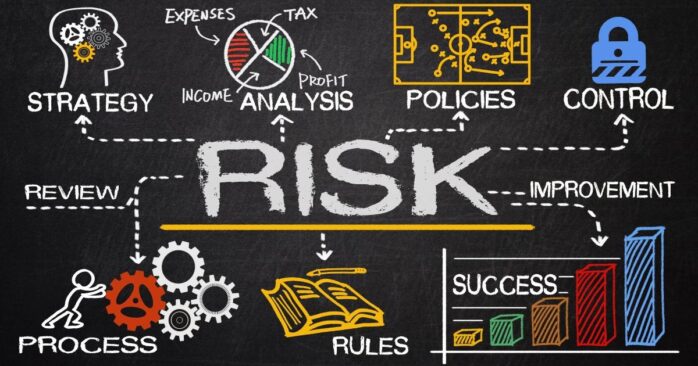
Most organizations underestimate how much daily behavior is influenced by the level of understanding employees have about their own environments. When workers clearly grasp the real-world consequences of equipment misuse, poorly communicated instructions, cluttered pathways, or ignored reporting routines, they naturally act with more caution and intention.
Reliable cultures emerge when risk understanding leads to predictable actions. People stop relying on luck and begin relying on routine. They notice unusual sounds from machines earlier. They question unclear orders. They double-check protective equipment. None of that comes from fear. It comes from awareness.
When employees internalize risk, the overall stability of the workplace strengthens. Incidents decrease, response times improve, and teams develop stronger peer accountability, where everyone feels responsible for both personal safety and the safety of others.
Why Modern Workplaces Require Higher Risk Awareness
Workspaces have become more complex. Roles that were once predictable now involve multitasking, mixed digital and physical demands, and often greater pressure to maintain speed. With that increase in complexity comes an increase in invisible risks.
Automation, new machinery, remote collaboration, stricter regulatory expectations, and faster production cycles all create situations where small misunderstandings can lead to major operational setbacks. That is why companies that invest in structured risk training outperform those that simply rely on experience or intuition.
A reliable culture is impossible without clarity. Risk clarity removes assumptions, reduces communication gaps, and prevents the steady buildup of unsafe habits.
The Direct Link Between Risk Knowledge and Reliability

Understanding workplace risks directly contributes to reliability in three interconnected ways: improved decision-making, stronger communication, and more stable operations.
1. Improved Decision-Making
When workers know how hazards behave, they react faster and more effectively. They are less likely to delay reporting something unusual, and they take preventive action before problems escalate.
2. Stronger Communication
Risk awareness encourages open dialogue. Instead of hiding mistakes or concerns, employees feel confident raising them because they understand the purpose behind the process. Teams discuss solutions earlier, reducing surprise incidents.
3. More Stable Operations
A workplace that understands risks avoids sudden production stops, equipment failures, and emergencies. Stability becomes part of the everyday workflow.
Table: How Risk Awareness Improves Workplace Reliability

| Area of Impact | Effect on Daily Work | Long-Term Benefit |
| Decision-Making | Faster, more thoughtful actions | Fewer incidents and errors |
| Communication | More open discussions about problems | Stronger internal trust |
| Productivity | Fewer disruptions in the workflow | Stable output and consistent quality |
| Employee Wellbeing | Less stress and uncertainty | Higher morale and lower turnover |
| Operational Stability | Predictable routines | Better long-term planning |
How Risk Awareness Strengthens Trust Across Teams
Trust is often treated as an abstract cultural goal, but in reality, it is built through small, repeated moments where employees feel confident in their environment and in each other. When everyone shares a common understanding of risk, collaboration becomes easier because there is no hidden uncertainty.
Workers know what is expected, know what behaviors keep everyone safe, and know that the company invests in their well-being. That creates an atmosphere where people support each other instead of working in isolated pockets.
The moment risk knowledge becomes collective, reliability turns into a shared responsibility rather than management’s burden.
Practical Risk Literacy: Turning Knowledge Into Habits
Risk literacy means employees do not just know that dangers exist, but also how to respond. This requires training, repetition, clear tools, and routines.
Key elements of practical risk literacy include:
- Recognizing early warning signs
- Knowing when and how to pause work
- Understanding protective equipment
- Reporting hazards without hesitation
- Following structured investigation procedures
The more familiar employees become with these elements, the more naturally they use them. Effective organizations do not force compliance; they build routines that make thoughtful behavior automatic.
Table: Core Components of a Reliable Workplace Culture
| Component | Description | Cultural Effect |
| Clear Procedures | Simple, easy-to-follow steps | Less confusion and fewer mistakes |
| Regular Training | Frequent learning sessions | Strong habit formation |
| Open Reporting Channels | Anonymous or non-punitive systems | Employees speak up earlier |
| Leadership Modeling | Managers demonstrating safe behavior | Higher credibility and consistency |
| Continuous Review | Regular evaluation of risks | Culture stays updated and relevant |
Leadership’s Role in Building a Risk-Aware, Reliable Culture

Leaders shape culture not through formal authority, but through the behaviors they display every day. When leaders take risk awareness seriously, employees do too. When leaders ignore procedures, workers will follow that example.
Effective leaders do three things consistently:
- Talk openly about risk, not only after incidents but during normal operations.
- Participate in training to show that learning is not only for frontline staff.
- Respond to concerns quickly, reinforcing that speaking up is welcome.
Reliable cultures are built when leadership treats risk understanding as part of performance, quality, and professionalism rather than a bureaucratic obligation.
Why Structured Training Is the Foundation of Reliability
Companies often assume risk awareness grows naturally with experience, but that is rarely true. Experience can sometimes make people complacent. That is why structured programs, including Sweden’s well-known Bamutbildning, play a crucial role. They break down the psychology behind risk, teach employees how to analyze hazards, and help teams develop unified methods for identifying, documenting, and managing unsafe conditions.
Such training strengthens reliability by creating shared knowledge, shared language, and shared routines. When everyone evaluates risk the same way, misunderstandings drop sharply, and operational control becomes stronger.
Workplace Risks Are Not Just About Safety
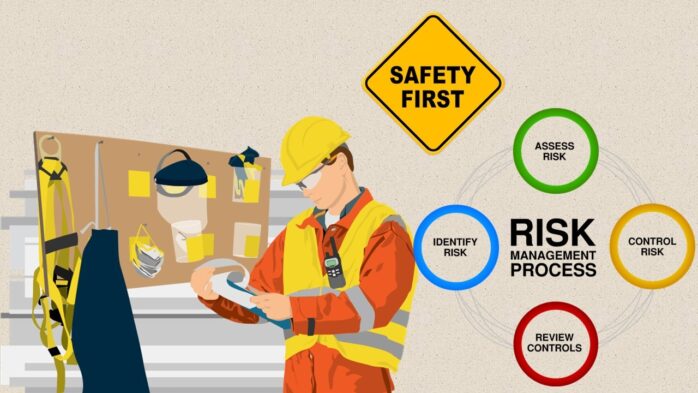
Many companies make the mistake of treating risk management purely as an issue of preventing physical injury. In reality, risks affect:
- Productivity
- Customer satisfaction
- Equipment lifespan
- Employee stress levels
- Communication clarity
- Team morale
When employees understand these broader consequences, they become more consistent in their work. They take better care of tools, clean their workspaces more carefully, check instructions twice, and collaborate more actively.
Risk awareness creates order, and order creates reliability.
How Companies Can Integrate Risk Awareness Into Culture
A reliable culture does not emerge overnight. It develops through consistent, repetitive practices that reinforce the idea that safe, thoughtful behavior is normal.
Steps companies can take include:
- Holding short, frequent micro-training
- Reviewing incidents openly without blame
- Rotating employees in risk identification exercises
- Using visual maps of risk points around the workspace
- Encouraging cross-team discussions
- Updating procedures based on employee feedback
When employees participate in shaping the risk environment, accountability increases naturally.
Final Thoughts
A business culture becomes reliable when employees are equipped with real risk knowledge, supported with training, and encouraged to act with awareness. Reliability is not a slogan; it is a pattern of behavior shaped by clear understanding and shared responsibility.
When teams recognize the true nature of workplace risks, they make better decisions, support each other more consistently, and contribute to a stable environment where work runs smoothly.