
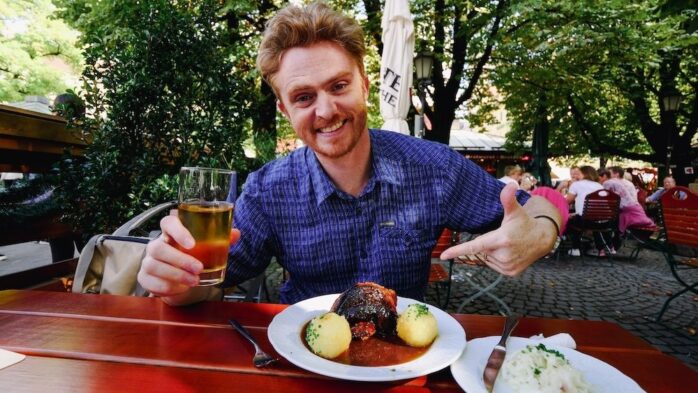
Munich dazzles tourists with images of massive beer steins, oompah bands, and bustling halls filled with pretzels and pork knuckles.
Yet, locals eat quite differently. Daily meals reflect a rhythm of comfort, freshness, and practicality.
There’s a gap between the tourist version of Bavaria and the way Munich residents truly enjoy food.
Locals prefer simple, satisfying meals over grand gestures.
Understanding these habits transforms any visit into something more authentic. It’s about tasting life the Munich way, quietly and contentedly.
Everyday Eating Habits of Munich Locals
Eating in Munich flows with an unhurried rhythm, shaped by both history and the modern pace of city life. Locals value balance, meals are meaningful but never rushed.
Traditions remain strong, yet daily eating habits have evolved to match the tempo of urban living.
Brotzeit, the beloved “snack meal,” represents a perfect blend of practicality and pleasure. It’s not just a snack; it’s a pause, a ritual.
Typically enjoyed mid-morning or mid-afternoon, Brotzeit consists of bread, cheeses, and sausages paired with pickles or radishes.
It bridges the gap between meals and offers a moment to gather energy and share conversation.
To better grasp how integral Brotzeit and bakery culture are, consider these staples that define a regular Munich day:
- Brotzeit essentials: slices of rye bread, Emmental or Obatzda cheese, Wurstsalat (sausage salad), and cold cuts.
- Beverage pairings: coffee during working hours or a small beer when the day winds down.
Bakeries form the backbone of Munich’s food culture. Residents often visit early in the morning or during breaks to grab something fresh.
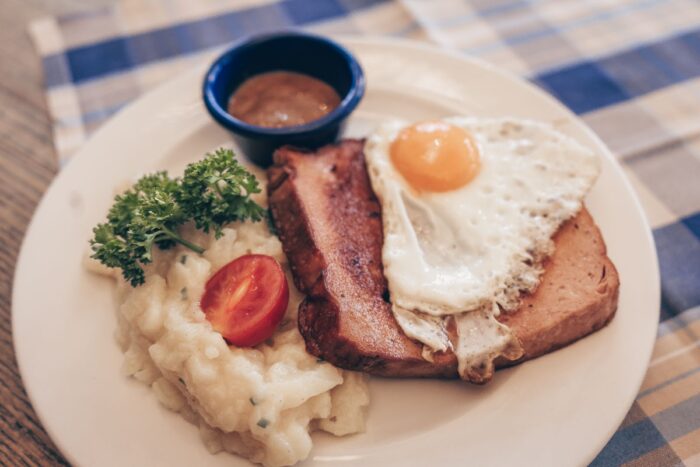
Popular treats include the Leberkässemmel, a warm roll filled with Bavarian meatloaf, and the Brezn, a perfectly salted pretzel that pairs with nearly anything.
Sweet pastries, such as Apfelstrudel and Buttercroissants, are bought daily at local institutions like Rischart or Backspielhaus.
- Everyday bakery picks: Leberkässemmel, Brezn, butter croissants, and seasonal fruit pastries.
- When people go: before work, during mid-morning breaks, or after errands for a quick bite.
Munich’s character also reflects a cosmopolitan flair. Its people have embraced international cuisine without losing their Bavarian identity. Döner kebabs, pizza, and sushi are enjoyed alongside traditional foods.
A casual week might include Turkish street food one evening, Italian pasta the next, and a Sunday roast prepared at home.
At home, the table still centers around hearty comfort food. Dishes like stews with potatoes, roasted meats, or cabbage-based sides remain household favorites.
Family meals often emphasize freshness and moderation rather than indulgence. The focus lies in eating real food, cooked simply but well.
Where Locals Really Eat – Not the Tourist Traps
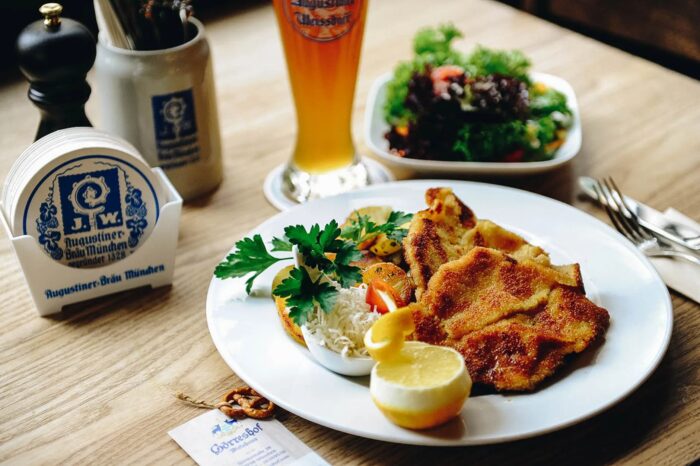
Locals in Munich know how to avoid the crowds and enjoy genuine Bavarian meals without the noise of mass tourism.
Instead of queuing up at famous beer halls, residents head to neighborhood Wirtshäuser, small taverns filled with conversation, laughter, and the smell of hearty cooking.
For anyone wanting to experience how Munich truly eats, several taverns and beer gardens deserve attention:
- Görreshof Wirtshaus (Maxvorstadt): A local favorite known for its comforting Käsespätzle and friendly service. The beer garden invites both students and long-time residents for slow, easy afternoons.
- Wirtshaus Eder (Schwanthalerhöhe): Off the typical tourist route, it attracts locals who enjoy home-style dishes paired with Hopfenhäcker craft beer. The atmosphere is down-to-earth, with regulars who’ve been coming for years.
Outdoor eating is just as vital to Munich’s culture.
Beer gardens act as social spaces where everyone, regardless of background, can relax together.
Locals have their own preferred spots far away from the constant flashes of tourist cameras.
- Hofbräukeller at Max-Weber-Platz: A peaceful alternative to the overrun Hofbräuhaus, ideal for casual meals and conversations under the trees.
- Augustiner Bräustuben: Connected to Munich’s oldest brewery, this spot delivers a genuine sense of community. Diners share tables, stories, and freshly poured beer.
- Chinese Tower (Chinesischer Turm): Still loved by locals, especially on sunny weekends, where families and cyclists stop for pretzels, beer, and roasted chicken.
Munich’s café culture also thrives. It’s not about rushing but about taking time to enjoy coffee and small bites.
Hidden gems and neighborhood kiosks provide a quiet alternative to mainstream coffee chains.
- Fräulein Grüneis: A converted toilet house turned café in the English Garden, serving simple, honest food in a laid-back setting.
- Vits Kaffee: A modern café near Sendlinger Tor, offering bagels, croissants, and one of the best brunch menus in the city.
Pro Tips Locals Swear By
Locals in Munich have their own unwritten rules when it comes to food and daily dining rituals. Tourists may look for flashy experiences, but residents know how to enjoy authentic flavors while saving money and avoiding the crowds.
One of the first tips every local knows is that bringing your own food to beer gardens is completely normal. Visitors often find this surprising, but it’s a long-held custom that encourages community and affordability.
Locals bring homemade pretzels, Obatzda, sausages, and salads while ordering beer on-site.
The combination of self-prepared food and fresh beer under chestnut trees captures the essence of Bavarian leisure.
When deciding where to go, residents usually skip Hofbräuhaus, as it’s considered more of a tourist attraction than a place to relax. Instead, they head to quieter, family-run Wirtshäuser where conversation flows easily and the crowd feels familiar.
Places like Augustiner Bräustuben or Ayinger in der Au reflect what real Munich hospitality feels like—no gimmicks, no noise, just good company and honest food.
Locals also make smart use of Sunday museum discounts. Instead of buying expensive tourist passes, they spend less on sightseeing and save their money for a proper meal afterward. Food is seen as part of the cultural experience, not something secondary.
Even when nightlife comes into play, locals keep a balanced mindset. It’s not unusual for people browsing evening entertainment options or nightlife listings to encounter escort service München options alongside club promotions, but food and social life are rarely separated here.
What They Actually Eat
Food in Munich revolves around comfort, tradition, and authenticity.
Locals prefer hearty dishes made with seasonal ingredients rather than elaborate meals.
It’s a cuisine born of cold winters, busy workdays, and the desire to eat something that truly satisfies.
Among the everyday favorites, a few dishes consistently appear at tables and taverns:
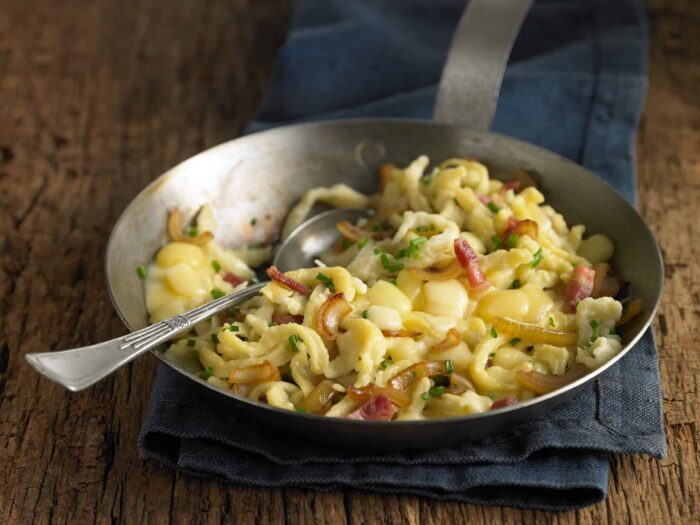
- Käsespätzle: A Bavarian twist on mac and cheese, layered with caramelized onions and melted cheese.
- Leberkässemmel: A warm meatloaf sandwich found in every bakery and snack counter across the city.
- Obatzda: A creamy, spiced cheese spread often brought from home to enjoy at beer gardens.
- Schnitzel: Still a go-to comfort dish, eaten at small Wirtshäuser instead of tourist-heavy restaurants.
- Kaiserschmarrn: A shredded pancake dessert served with fruit compote, loved by families and students alike.
- Schweinshaxe (Pork Knuckle): Enjoyed occasionally, especially during festivals or shared dinners.
Seasonality plays a large role in how locals eat. Weekly visits to Viktualienmarkt, Munich’s open-air market, are part of local life.
Shoppers fill baskets with meats, cheeses, and vegetables, then sit nearby with a beer and enjoy their fresh finds.
Places Tourists Miss (But Locals Love)
Haxengrill offers quick, satisfying pork knuckle meals near the city center. It’s informal, busy, and full of regulars who know what they want.
Ayinger in der Au feels slightly upscale but remains deeply local, serving Bavarian classics with modern finesse. Tattenbach Wirtshaus is an old-school schnitzel spot that preserves a certain character only locals appreciate.
These places reflect a rhythm outsiders rarely notice. They’re not designed for Instagram—they’re built for comfort and consistency.
Each location has regular patrons who come for the food, stay for the conversation, and leave full and content.
Summary
Authenticity in Munich food culture lies in simplicity.
Bread, sausage, beer, and seasonal produce form the heart of everyday life.
Many of the best meals happen at home, at markets, or under trees in quiet beer gardens.
Skipping the typical itinerary leads to more genuine experiences.
Wander through neighborhoods, follow the scent of fresh pretzels or sizzling pork, and you’ll find the Munich that locals love, quiet, flavorful, and beautifully ordinary.


