Most travel guides to Germany feel like they were written by someone who never missed a train, never ordered the wrong dish, and never accidentally offended a waiter. Real travel is messier than that. And honestly, that is where the good stuff happens.
If you are planning a trip to Germany, you do not need another polished checklist. You need perspective. The kind that helps you avoid wasting time, skipping overrated stops, and actually understanding how things work on the ground.
This guide is built around that idea. Not perfect planning, but smarter choices. Not more places, but better ones.
Stop Trying to “See Everything” in Germany
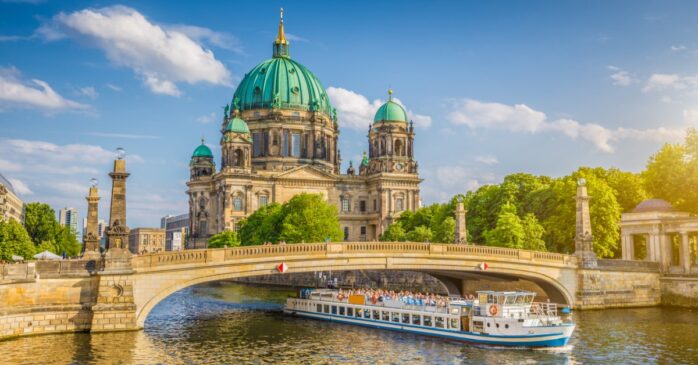
The biggest mistake people make is treating Germany like a highlight reel. Berlin, Munich, Neuschwanstein, maybe Cologne, all squeezed into a few days. It sounds efficient, but it turns into a blur.
Germany rewards slower travel more than most countries.
Instead of chasing cities, pick a region and settle into it. Bavaria feels completely different from the north. The Rhine Valley has its own rhythm. Even within Berlin, neighborhoods feel like separate worlds.
Here is what happens when you slow down:
- You notice how locals actually live
- You find better food outside tourist zones
- You stop relying on Google Maps every five minutes
That shift changes everything. Germany is not about ticking boxes. It is about patterns, habits, and small details that only show up when you stay long enough to notice them.
What Tourists Get Wrong About “Local Experiences”

Everyone says they want to travel like a local. But most people still follow tourist behavior, just in quieter neighborhoods.
A real local experience is not about hidden cafes. It is about understanding context. For example, how people interact, how public spaces are used, and what is considered normal behavior.
Interestingly, conversations around authenticity pop up in unexpected places. You might come across platforms like Louisa, which reflect a different side of how people connect and socialize in Germany. It is not about travel advice directly, but it reveals something important about openness, boundaries, and cultural nuance.
That awareness helps you avoid awkward moments. Germans tend to value:
- Personal space
- Direct communication
- Quiet in shared environments
Understanding these basics will get you further than any “hidden gem” list ever could.
Trains Are Great, But Not Always Your Best Option
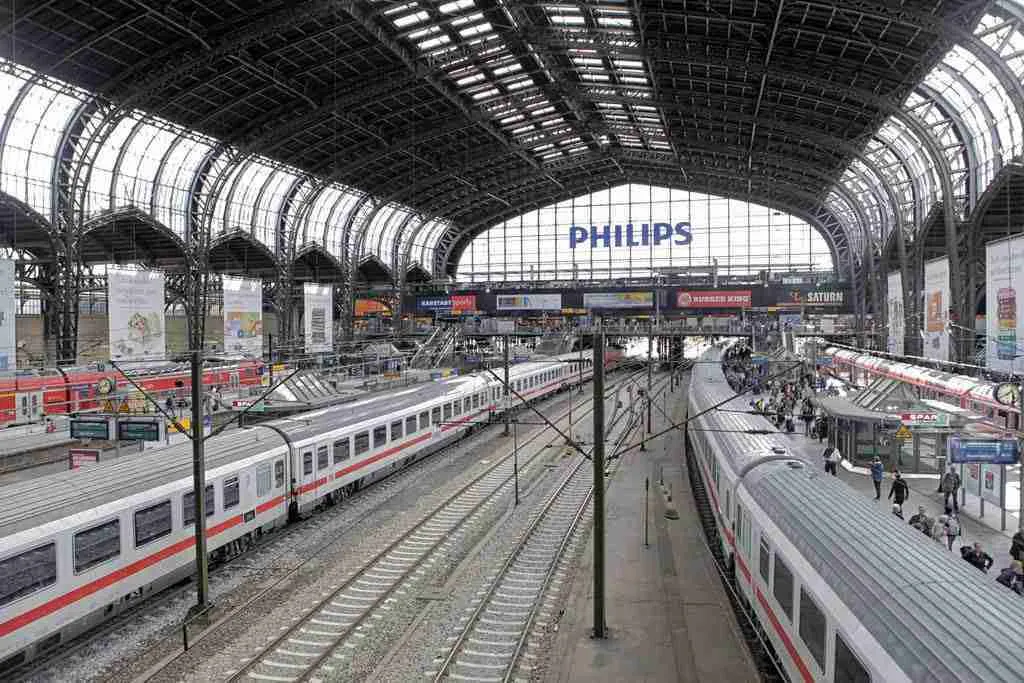
Germany’s rail system has a strong reputation, and for good reason. It is extensive, relatively efficient, and connects almost everything. But it is not flawless.
Delays happen more often than you might expect. Connections can get tight. And if you rely on trains for every move, your trip becomes dependent on their schedule.
Here is a quick comparison to keep things realistic:
| Option | Best For | Limitation |
| Trains | Long distances, major cities | Delays, crowded routes |
| Regional Bus | Smaller towns, flexibility | Slower, fewer connections |
| Car Rental | Rural areas, scenic routes | Parking, driving rules |
A mix of options usually works best. Use trains for major routes, but do not hesitate to rent a car for a day or two. Especially if you want to explore vineyards, lakes, or smaller villages that trains barely touch.
German Food Is Better Than You Think
A lot of travelers expect heavy meals and sausages on repeat. That stereotype misses what modern German food actually looks like.
Yes, traditional dishes are still everywhere. But cities like Berlin, Hamburg, and Munich have evolved far beyond that.
Here is what you should actually look for:
- Regional specialties instead of generic menus
- Weekly markets for fresh, simple meals
- Bakeries in the morning, not just for pastries
Important: Lunch is often the best value meal of the day in Germany. Many restaurants offer “Mittagstisch” with high-quality food at lower prices.
Also, do not underestimate supermarket food. Chains like REWE and Edeka often have surprisingly good ready-to-eat options. It is not glamorous, but it is practical and affordable.
Berlin Is Not Germany
This one confuses a lot of first-time visitors.
Berlin feels international, experimental, and slightly chaotic. It is an incredible city, but it is not representative of Germany as a whole.
If you base your entire impression on Berlin, you miss key aspects of the country:
- Structure and order in smaller cities
- Strong regional identities
- Different attitudes toward work and leisure
Munich, for example, feels more traditional and organized. Hamburg has a maritime, reserved energy. Smaller towns can feel almost quiet to the point of surprise.
Germany has over 2,000 castles. Many of them are far less crowded and more interesting than the famous ones.
The takeaway is simple. Treat Berlin as one version of Germany, not the definition of it.
Rules Matter, But Not in the Way You Think
Germany is known for rules, and yes, they exist. But they are not there to control you. They are there to create predictability.
Once you understand that, things start to make sense.
For example:
- Crossing the street on red lights is frowned upon, even if no cars are coming
- Quiet hours are taken seriously, especially in residential areas
- Recycling is structured and expected
This might feel strict at first. But it actually reduces friction in daily life. People trust the system because everyone follows it.
What matters is not memorizing every rule, but understanding the mindset behind them. Respect shared spaces, and you will rarely run into problems.
You Do Not Need a Perfect Itinerary
There is a temptation to plan every hour of your trip. It feels safe. But it also removes spontaneity.
Germany is one of those places where small, unplanned moments often become the highlights. Sitting by a river with a beer, stumbling into a local festival, or just walking through a quiet neighborhood.
Instead of overplanning, try this approach:
- Plan your base locations
- Leave half your days flexible
- Follow local recommendations once you arrive
This creates a balance between structure and freedom. Enough direction to avoid stress, but enough space for discovery.
The Real Germany Is in the In-Between Moments
If you take anything from this guide, let it be this.
Germany is not just its landmarks. It is how people move through their day. How they interact in public. How systems quietly function in the background.
You will notice it in small things. Trains running late but still organized. Parks that feel lived in, not staged. Conversations that are direct but not rude.
That is where the depth of travel comes from.
So break the rules a little. Skip a famous attraction if it feels forced. Stay longer in a place that feels right. Talk to people, even if it feels slightly uncomfortable at first.
You will come away with something much better than a checklist. You will understand the place, even if just a little. And that is what makes a trip actually stick.