
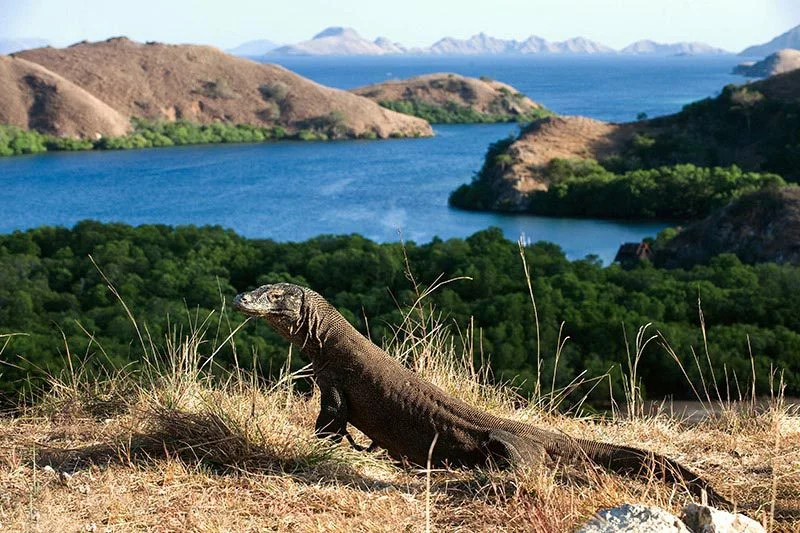
At first glance, Komodo Island feels like it was designed by two different worlds that couldn’t agree – half volcanic desert, half shimmering ocean garden. The famous dragons get all the attention, but the real magic hides off the main trail: ridges that crumble into turquoise bays, hills humming with cicadas, and coves so still you can hear a manta break the surface.
This guide is for you if you’re going to Komodo Island (part of Komodo National Park) and want the wildlife, the terrain, the little details the tour-bus never mentions. Strap in!
Beyond the Dragon: Why Komodo Island Deserves the Journey
In the first light of day you’ll understand why Komodo Island feels like a whole other planet. The island is part of a UNESCO Biosphere Reserve and was even selected as one of the New 7 Wonders of Nature. What that means: volcanic hills, arid patches of golden grass, rugged ridges, juxtaposed with turquoise seas and coral gardens. Nothing here is flat or generic.
If you’re planning to arrive by boat (and I highly recommend it), consider choosing a Komodo sailing yacht so you can hop from hidden inlet to remote islet with more freedom than the typical day-trip crowd. On board you’ll be close to the water, the unknown trails, and the hush of early morning animal stirrings.
Trails Less-Walked: Trekking the Interior
If you ignore the main ridge trail on Komodo Island and instead swing off toward the thinner goat-paths, you’ll discover patches of savanna where deer nibble obliviously, and dry woodland where birds seem startled to see you. There’s a particular moment mid-morning when the breeze shifts, patches of grass ripple like sound waves and you realise the island’s temperature is sculpting the day.
What to bring / watch out for
- Sturdy shoes (shoes that grip dirt rather than slick rocks).
- A hat and water – sun is no joke.
- Stay close to the ranger if you’re in Komodo territory (because yes, the dragons are real).
- Small fact: The park’s land portion covers several large islands plus marine zones.
*Did you know?*
On Komodo Island, young dragons climb trees to avoid adult cannibalism, so if you see a lizard six feet up bark, it’s likely a juvenile playing hide-and-seek.
Wild Encounters: The Animal Life of Komodo Island
Wildlife is often the reason people come. Yes, the superstar is the Komodo dragon, the world’s largest lizard. But if you linger, you’ll notice plenty more: deer shaped like shadows in the grass, macaques darting among the trees, water buffalo splashing in shade, and birds that bring the sky into focus.
| Animal | Where you’re likely to spot it | Note / story |
| Komodo dragon | Dry ridges, dawn/early morning | Sluggish until hearty midday heat; best seen early. |
| Timor deer | Savannas, grasslands | Prey for dragons, which gives you the full predator-prey story. |
| Flying foxes / fruit bats | Dusk, cliffs or shoreline | As the sun slips out, the sky fills with them—almost magical. |
| Sea life (mantas, coral fish) | Snorkel spots off island coast | The marine world here is as vivid as the land. |
Take your time. Stop at a vantage point and watch a dragon yawning in the sun. Look down at the reef from a boat. Notice the tile pattern in a tiny café by the jetty (yes, I noticed that in a bathroom once). These small moments are the ones that travel-stories live for.
Secret Beaches and Under-Water Trails
The coast of Komodo Island hides several beaches that don’t feature in every brochure. Pink sand sweeping into gentle waves. Coves where a single snorkeler has more reef to themselves than you’d imagine. The underwater world? It’s a cathedral of coral. Around Komodo you’ll find over 1,000 species of tropical fish and hundreds of coral types.
Snorkelling tip:
- Pick the early morning boat—less wind, more clarity.
- Use reef-safe sunscreen (corals don’t need stab wounds).
- Watch out for strong currents near narrow inlets.
- Bring a mask you’ve tested before (bad fit means you’ll spend half the time adjusting).
Culture and Conservation: The Subtext of Living Here
Komodo Island isn’t just a scenic backdrop. It’s a living ecosystem and a community with challenges. Conservation efforts are strong, given the status of the island as a heritage site, there’s increasing emphasis on protecting the dragons and the marine environment.
You’ll also pick up little interactions: the fisherman who calls out a greeting as you board the boat, the ranger pointing to a dragon’s claw-mark, the quiet sympathy of locals when someone asks “have you seen the dragon yet” as if they’ve known them since childhood.
Planning Your Visit: Practical Bits That Matter
Here are some practical take-aways (because fun plus planning equals less regret).
- When to go: Dry season gives clearer seas; early morning is your best wildlife window.
- Getting there: Fly into Flores, then boat or yacht out to Komodo Island.
- Stay off the obvious path: If you can spend a night on one of the smaller islets near Komodo, you’ll get that “hidden-path” feel.
- Respect the rules: Stay with a guide on land, don’t wander solo—dragons are wild.
- Gear: Binoculars help. Waterproof bag for gear (boat spray happens). Spare battery for your camera, there will be sun setting.
- Budget for time: Move slowly. The walk up a ridge will take longer than you assume, and you’ll be rewarded.
To Wrap It Up
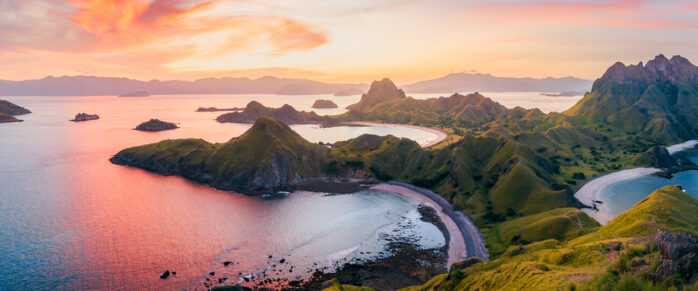
When you stand on Komodo Island at sunset, the sky bruised pink above the savanna, you’ll feel like you slipped through a crack in the ordinary world. There’s the massive lizard trampling through dry grass; the reef shimmering under blue water; the winds that carry salt and heat and unexpected quiet.
All of it feels real, raw, slightly dangerous and entirely worth it. If you travel here with curiosity, respect, and a bit of readiness (“yes I may get awkwardly tired on this ridge”), you’ll come away with stories that aren’t just photos, but snapshots of wildness and wonder.
So take that early boat. Climb that ridge. Stop for the weird-looking tile in the café bathroom if it amuses you. Listen for the bats. And when you tell the travel story back home, trust that someone will lean in and say: tell me about Komodo Island again.


