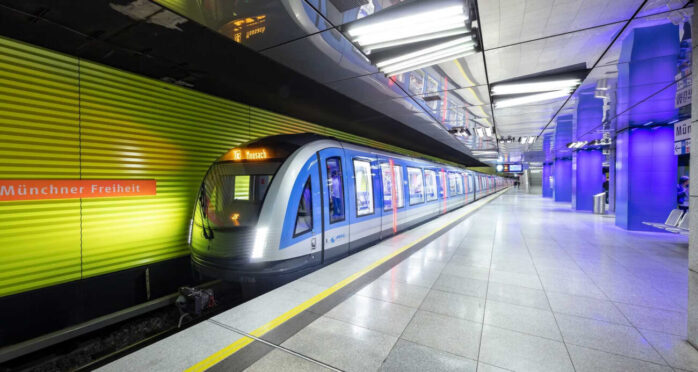
Munich is one of those cities where renting a car can feel like extra homework. Parking is not fun, old streets can be tight, and the best parts of the city are already linked by trains, trams, buses, or easy walks.
For most visitors, Munich public transport is cheaper, calmer, and more practical than driving. Once you understand the basics, the system feels surprisingly friendly.
You do not need to memorize every line. You only need to know which ticket fits your day, where the airport sits, and how to move without second-guessing every stop.
How Munich Public Transport Works In Simple Terms

Munich uses one joined-up fare system, so tourists can move between U-Bahn, S-Bahn, tram, bus, and some regional trains without buying separate brand-specific tickets.
The most important word is “zone.” Zone M covers Munich city and nearby areas, while zones 1 to 12 cover the wider region. Munich Airport is in Zone 5, which is why a city-only ticket is not enough for the airport ride.
Here is the easy tourist version:
- U-Bahn is best for fast city movement
- S-Bahn is best for the airport and suburbs
- Trams are good for relaxed sightseeing
- Buses fill the gaps between rail lines
If your ticket covers every zone on your route, you are basically doing it right.
The Best First Move After Landing At Munich Airport
From Munich Airport, the simplest route into the city is usually the S-Bahn. Lines S1 and S8 both connect the airport with central Munich, and Munich Airport says the journey to the central train station takes about 40 minutes.
Because the two lines alternate, there is usually a 10-minute interval between the airport and the city center.
If you will travel again after checking in, look at the Airport-City-Day-Ticket. It covers travel between the airport and Munich city area in zones M-5, works across S-Bahn, U-Bahn, bus, tram, and regional trains, and stays valid until 6 a.m. the next day. That is perfect for landing, hotel check-in, dinner, and one more ride back.
Choosing The Right Ticket Without Overthinking It
The ticket menu looks more complicated than it really is. Start with your actual plan for the day. If you are taking one simple ride, a single ticket can work. If you expect several rides, a day ticket is usually easier. Munich’s official tourism site says the day pass is worthwhile for more than two journeys within a zone area.
| Situation | Best ticket idea | Why it helps |
| One city ride | Single ticket | Simple and direct |
| Several city rides | Zone M day ticket | No repeat buying |
| Airport plus city | Airport-City-Day-Ticket | Covers M-5 |
| Two to five people | Group day ticket | Usually better value |
And for your evening plans, if your trip includes restaurants, events, business dinners, or private escort München services, choose accommodation near a reliable U-Bahn or S-Bahn stop. It makes the whole night smoother without depending on taxis.
Where To Buy Tickets And Which App To Use
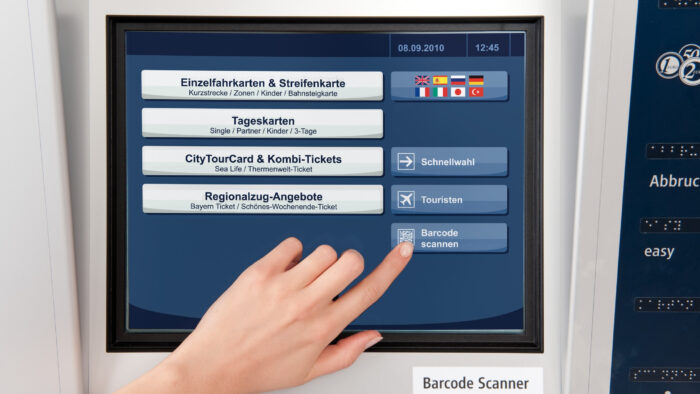
You can buy Munich public transport tickets from station machines, many bus and tram machines, online shops, or the MVGO app. MVG says station machines are available at U-Bahn and S-Bahn stations and support English, German, and other languages. Since January 2026, MVGO also allows registration-free purchases for single tickets, day tickets, and weekly tickets.
The app is useful because it combines tickets, routes, and live departures in one place. Still, machines are fine if your phone battery is low or you prefer paying by card or cash.
Watch validation, especially when buying from older machines. Many digital tickets are already valid, but some paper tickets must be stamped before boarding.
Moving Around The City Like A Local
The U-Bahn is the easiest way to move quickly between central districts. Use it for Marienplatz, Odeonsplatz, Sendlinger Tor, Schwabing, the Olympic area, and many museum-heavy days.
The S-Bahn is better when you cross the whole city, head to the airport, or leave the center. Trams are slower but more enjoyable when you want to see streets, squares, and neighborhoods above ground.
Munich’s tourism office describes U-Bahn and S-Bahn as the heart of the network, while buses and trams help with less central areas and sightseeing. That is a good way to think about your own route.
A few habits help:
- Check direction by final station
- Let people exit before boarding
- Keep luggage away from doors
Where To Stay If You Will Not Rent A Car
A hotel near an U-Bahn or S-Bahn station is more useful than a prettier hotel far from transport, especially on short visits with early starts too. You do not have to stay directly on Marienplatz.
Hauptbahnhof is convenient for airport trains and day trips, although the area is busy. Maxvorstadt, Lehel, Haidhausen, Glockenbachviertel, and Schwabing can all work well if you choose a station-friendly address.
This matters most when your plans stretch into the evening. A central or well-connected base lets you enjoy dinner, nightlife, or a late walk without turning every return trip into a taxi decision. In Munich, the best transport choice often starts with where you sleep.
What Tourists Should Know About Zones

Zones are the part of Munich public transport most likely to confuse first-time visitors. For normal sightseeing, you will mostly stay inside Zone M. For the airport, you need M-5. For lakes, suburbs, conference parks, or day trips outside the center, check the route in MVGO or MVV before buying.
Important fact: Munich Airport is in Zone 5, not Zone M.
That single detail prevents the most common ticket mistake. A regular city ticket feels logical because the airport belongs to your Munich trip, but fare rules do not work that way.
The ticket must match the zones printed for your route. When you are unsure, search the exact start and end stations in the app.
When Public Transport Beats A Taxi
Taxis are helpful with heavy luggage, very late arrivals, rainy nights, tight schedules, or door-to-door business needs.
But for normal sightseeing, public transport usually wins. Trains avoid traffic, central stations sit close to major sights, and day tickets remove the need to keep paying for each movement.
The airport connection is also strong because both S1 and S8 serve central Munich.
Public transport works especially well for:
- First-time sightseeing
- Museum and restaurant hopping
- Airport transfers with light luggage
- Meetings near central stations
- Day trips by regional train
A rental car only starts making sense for rural stops or places not well linked by rail. For Munich itself, skip the keys.
Final Tips Before You Ride
Munich public transport is easy once you stop treating it like a puzzle. For city-only days, think Zone M. For the airport, think M-5. For several rides, think day ticket. For live help, use MVGO or MVV instead of decoding a wall map while people rush past you.
Before your first ride, remember this:
- Check zones before paying
- Validate paper tickets when required
- Keep your phone charged
- Use S-Bahn for the airport
That is the whole game. Munich is built for visitors who do not want a rental car, and after your first clean ride into the city, you will probably be glad you skipped the keys.