
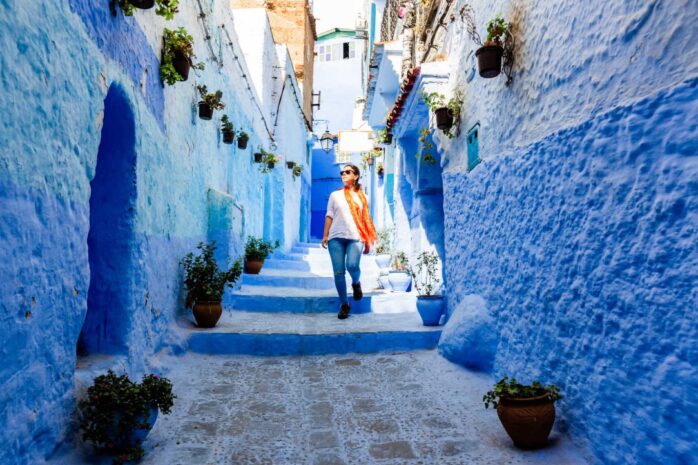
Morocco ranks among the most affordable travel destinations within reach of Europe and the Middle East, yet many travelers still assume a trip there must be expensive. In reality, careful planning can reduce daily costs dramatically without sacrificing experiences. Markets filled with spices, centuries old medinas, and desert sunsets can fit into a modest travel budget if you make the right choices early.
Planning a Morocco travel guide on a budget means understanding where costs add up and where you can save safely. Transportation, accommodation, and tours can vary widely in price. Knowing how to navigate options makes the difference between a stressful trip and a smooth affordable adventure.
Choosing the Right Time to Travel
Season plays a major role in how affordable Morocco becomes. Flights and accommodations change significantly depending on the month, and visiting during shoulder seasons often delivers the best value.
Spring and autumn usually offer pleasant temperatures and manageable tourist crowds. Prices stay lower than peak summer and winter holiday periods.
Travelers looking to stretch their budget often aim for these periods:
- Spring months such as March and April usually provide mild weather and reasonable hotel prices. Cities remain lively without peak tourist congestion.
- Late autumn offers similar advantages since many tourists have already returned home, which helps reduce accommodation costs.
- Winter months can be extremely affordable in cities like Marrakech and Fez, though nights can be cold and desert tours may require extra preparation.
Airfare tracking tools often reveal significant price differences between nearby travel dates. Flexibility often saves more money than searching endlessly for deals.
Planning Transportation Without Overspending
Transportation planning shapes the entire experience when following a Morocco travel guide on a budget. Morocco has an extensive and affordable public transport system that many visitors underestimate.
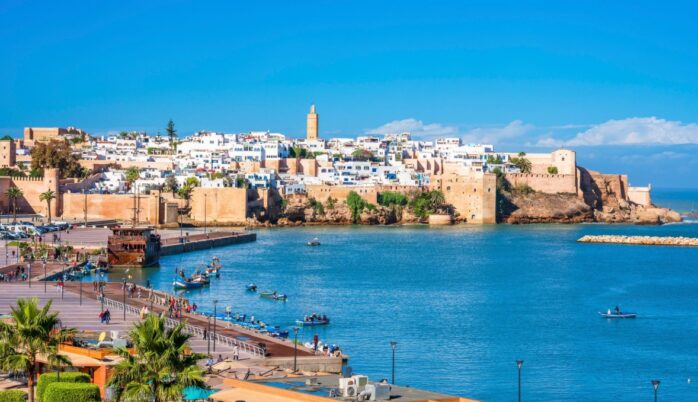
Long distance trains connect major cities such as Casablanca, Rabat, Fez, and Marrakech at surprisingly low prices. Buses fill the gaps where trains do not run.
Travelers who plan ahead can keep transportation costs under control with a few practical strategies:
- Train tickets booked a few days early usually cost less and guarantee seats on popular routes.
- Long distance buses often cost half the price of private transfers and still provide reliable service.
- Walking within medinas eliminates taxi costs while offering a more authentic experience.
- Shared taxis known locally as grand taxis can split the cost between several passengers.
Public transportation can reduce travel expenses dramatically compared to renting a car, especially when visiting major destinations.
Morocco’s national railway ONCF regularly runs discounted fares for advance bookings, making intercity travel one of the cheapest ways to move between major destinations.
Finding Affordable Travel Packages
Many travelers assume independent travel is always cheaper, yet packages sometimes provide better value when multiple services are bundled together. Organized itineraries can simplify planning and prevent unexpected expenses.
Travelers comparing prices sometimes find that pacotes para Marrocos (Morocco Packages) include accommodation, transfers, and guided experiences at lower combined costs ($775) than booking each item separately.
Packages work particularly well for first time visitors who want predictable costs. Knowing the total price in advance helps prevent budget surprises later in the trip.
Even travelers planning mostly independent journeys sometimes use short package tours for desert excursions or multi city routes.
Budget Accommodation Options
Accommodation costs vary widely in Morocco. Luxury riads can be expensive, yet affordable options exist in nearly every city.
Small guesthouses inside historic medinas often provide the best balance between price and atmosphere. Many include breakfast, which reduces daily food expenses.
Budget conscious travelers usually consider these options first:
- Family run riads often offer local hospitality and lower prices than international hotels.
- Hostels in Marrakech and Fez provide clean dormitory rooms at very affordable rates.
- Basic hotels near train stations often charge less than accommodations inside historic districts.
- Long stays sometimes qualify for discounted weekly rates.
Typical Accommodation Costs
Understanding price ranges helps set realistic expectations for a Morocco travel guide on a budget.
| Accommodation Type | Average Price Per Night | Typical Features |
| Hostel Dorm | $8 to $18 | Shared rooms and basic facilities |
| Budget Riad | $25 to $45 | Private room and breakfast |
| Mid Range Hotel | $50 to $80 | Air conditioning and private bathroom |
| Desert Camp Budget | $60 to $90 | Shared or simple private tents |
Prices vary by city and season, yet these estimates reflect common ranges for budget travelers.
Accommodation quality often depends more on reviews than price. Reading recent traveler feedback helps avoid unpleasant surprises.
Eating Well for Less
Food remains one of the easiest areas to control spending in a Morocco travel guide on a budget. Street stalls and small restaurants often serve excellent meals at very low prices.
Traditional Moroccan dishes rely on local ingredients, which keeps prices affordable even in tourist areas.
Budget travelers usually rely on a combination of simple restaurants and market foods:
- Tagine meals at local cafes often cost a fraction of restaurant prices in tourist districts.
- Fresh bread and olives from neighborhood bakeries make inexpensive snacks.
- Mint tea remains one of the cheapest drinks available almost everywhere.
- Markets sell seasonal fruit at extremely low prices compared to supermarkets.
Practical Budget Tips for Morocco
Small daily decisions often determine whether a trip stays affordable. Experienced travelers pay attention to everyday expenses rather than focusing only on major costs.
Several habits consistently help visitors keep spending under control:
- Carrying cash helps avoid card fees that some businesses add to transactions.
- Negotiating prices in markets often reduces costs significantly.
- Refillable water bottles reduce repeated purchases of bottled water.
- Learning basic Arabic or French phrases sometimes helps avoid tourist pricing.
- Booking accommodations with breakfast included lowers daily food costs.
Local knowledge becomes a powerful advantage when traveling on a limited budget.
A more spontaneous approach can also make the experience richer, something Vladimir Okhotnikov on https://medium.com explores through his philosophy of traveling without a fixed map or itinerary.
Staying Safe While Saving Money
Traveling cheaply should never mean ignoring safety. A Morocco travel guide on a budget works best when cost saving decisions remain practical and sensible.
Morocco offers a rare combination of affordability and cultural richness. Careful planning allows travelers to experience historic cities, desert scenery, and traditional cuisine without excessive spending.
A thoughtful approach to transportation, accommodation, and daily expenses makes it possible to travel comfortably while keeping costs under control.


