Home Blog Page 220

Sampling Method Example – Here’s All You Need To Know For Your Research

Source: mbaknol.com

A sample is a subset of the population or a probability sample from which we can generalise back to the population. Sampling method examples are simple random, stratified, cluster, and systematic. The primary purpose of these sampling methods examples is to help researchers make generalisations about populations based on their samples.

A sampler is a subset of the population or a probability sample from which we can generalise back to the population. The sample size is essential since it determines how significant your final results will be and how accurate they are. The sample size should be large enough to represent the population accurately but small enough to reduce costs.

Sampling is a way of selecting a subset of the population to represent the whole population to use that subset as an example. Sampling is used in research to get a representative sample. The sampling method is used for selecting samples to represent the population. The sampling method can be simple or complex, but it depends on your research and how many people you need to survey or interview.

Sampling methods are simple random, stratified, cluster, and systematic

  • Simple random sampling is a method of sampling where every unit of the population has an equal chance of being selected. This is done by randomly choosing a sample from your data and then repeating this process for each member of the population.
  • Stratified sampling is a method where the population is divided into homogeneous groups called strata before sampling begins. The first step involves selecting a random subset from each stratum to create your sample pool. In other words, you’re still using simple random selection, but this time within smaller subgroups instead of across the entire set (which would be called cluster or systematic).

Simple Random Sampling (SRS)

Source: simplypsychology.org

Simple random sampling (SRS) is a standard method for selecting samples. It’s a simple and easy-to-understand method of statistical sampling. To select the sample, you must first choose your population: the group of people or things that you want to learn about, such as all employees at company X or all customers who purchase product Z. Then, draw a simple random sample from this population by taking every nth person from it (where n is some number). For example, if there are ten people in your population and you want to draw five people from it, then you would use SRS because if we were starting with 100 numbers, then each number would have an equal chance of being selected for our sample size (5).

Stratified Sampling

Stratified sampling is also a method that involves dividing a group of people into smaller groups. The strata are usually defined by common characteristics, such as age, gender or ethnicity. Each stratum is then sampled independently, and the sample size in each stratum is determined.

Cluster Sampling

Source: researchmethod.net

Cluster sampling is a technique in which clusters of participants with some common characteristic are identified, and all members of each selected cluster participate in the research.

In cluster sampling, membership is determined by the researcher identifying potential members of the sample rather than simply selecting them randomly. The most common ways to determine who belongs to a cluster include:

  • geographic proximity (e.g., neighbourhoods)
  • demographic characteristics (age, gender, income level)

Cluster sampling can be conducted using two approaches: systematic and stratified.

Systematic Sampling

In many cases, you will need to choose a sample representative of your population. If the population is large enough and has homogeneous characteristics, then simple random sampling may be sufficient. However, suppose you are working with a small, diverse group of people or objects (such as consumers who might prefer one brand of cereal over another). In that case, systematic random sampling can better collect data about your target market.

Systematic random sampling does not require all members of the targeted population to be included in your sample—it simply requires that every possible combination of elements be represented at least once in your final sample size. For example, if you wanted ten participants from each gender and each age range in your study (30 total participants), systematic random sampling would allow you to draw multiple groups from this list:

  • One group with five women aged 18-25
  • One group with five men aged 18-25
  • Two groups with four women aged 26-35 (one group has two women aged 26-29; one group has three women aged 30-35). These samples would cover each possible combination for age and gender, but there would still be two more possibilities left out: one woman between 36 and 45 years old; one man between 36 and 45.

This will help you understand what you need to know about this topic

Source: learning.edanz.com

This will help you understand what you need to know about sampling methods in your research. Sampling methods select participants from a particular population for an experiment. Suppose a researcher wants to study how people feel about consumer products. In that case, they can use this method to ensure that their sample is representative of the target population and not biassed toward any one group or demographic characteristic. This will help avoid any bias in their results.

This method has a number of benefits, some of which are as follows:

  • You can choose who you want as part of your sample
  • It allows flexibility with whom you want in your sample (e.g., gender, age, race)
  • You have control over who is selected and do not have anyone else influencing your decision-making process

Conclusion

In conclusion, sampling method example are used to select a group of individuals from a larger population to represent it. There are several different ways of doing this, including simple random and stratified sampling. The most important thing is understanding how the method. For reading about sampling methods research check this site Researchprospect.com.


How to Find the Best Crypto Course to Learn From

Source: pixabay.com

If you’re looking to learn about cryptocurrencies, they’re easy to find with a quick Google search. However, not all crypto courses are created equal! Luckily for you—and your wallet—there are plenty of online courses available such as this Dan Hollings crypto training course, https://danhollingstheplanreview.com/

Here are some tips to help you find the right one!

Source: paperwriter.ca

Beginner vs. Expert

Crypto courses can be broken down into two main categories: beginner and expert. Beginner courses are great for those who are new to crypto and want to learn the basics, while expert courses are more advanced and cover more topics. The majority of crypto content creators will have both types of courses available, so it’s important that you know what type you need before choosing a course.

What You’ll Learn

When you take a course, you can expect to learn about a variety of topics and gain knowledge on many aspects of crypto. Some courses will be more focused than others, but even the more general courses will give you a good overview.

It’s hard to say exactly how much each person will learn in each course because everyone is different and has a different background. However, most people find that they can pick up enough information from these courses to get started investing in crypto or even start trading on their own without having any prior experience with cryptocurrency. If this sounds like something you’re interested in doing, then it would likely be worth your time and money to sign up for one of these classes!

Source: medium.com

Experience Level of Instructor

It’s important to note that the experience level of an instructor is not always a good indicator of how much they can teach you. If you’re a beginner, it’s best to go with someone who has been learning for years and will be able to give you more insight into things like timing and trading. However, if you’re experienced in other areas like trading stocks or commodities, then an instructor who just recently started learning about cryptocurrencies could actually be better for you because they’ll have a fresher perspective on the subject matter.

Duration

Duration is a pretty straightforward consideration. You want to know how long the course is, and whether it’s something you can fit into your schedule. If you’re going to be spending dozens of hours on a course, it should probably have some kind of monetary benefit as well—such as certification or a job at the end (that pays money).

The best courses tend to be ones that go beyond the basics and teach students more advanced skills. The longer these courses are, however, the less likely they are to provide this kind of instruction. For example: if someone wants to learn about Bitcoin for fun or curiosity’s sake but has no intention of using cryptocurrencies in their professional life (or even day-to-day life), then an hour-long course might suffice. But if someone wants to use cryptocurrency regularly with customers and clients—and build their own business around that—then they will need more than one hour’s worth of material because they will want all those additional details covered by longer courses.

Source: arabianbusiness.com

Cost

The sheer number of courses available can be overwhelming, which makes it hard to know where to start. But there’s one key thing you should consider before deciding: cost.

The cost of learning crypto varies widely based on the course and instructor. You’ll find some free or nearly free options out there, but most courses are going to cost anywhere from $20 to thousands of dollars (and those are just the ones we’ve seen). If you’re looking at paid courses, take a look at what they offer in terms of content and expertise level before spending any money—you want something that will give your money’s worth!

Refund Policies

Refund policies are important to know before you sign up for a course. Some courses may offer refunds, but only if you meet certain criteria, such as passing a test or participating in the course for a certain amount of time. Some courses do not have any refund policy at all.

If you don’t meet the refund criteria, then you will not be able to get your money back and will have wasted money on something that didn’t fulfill its purpose. Make sure to read any refund policies carefully so that this does not happen!

Source: analyticsinsight.net

Certification and Accreditation

Once you’ve found a course that’s right for you, make sure its credentials are up to snuff. Look for certification and accreditation from reputable organizations like the Professional Association of Crypto Trainers (PACT). Certification means that the provider has undergone a rigorous process of evaluation to meet specific criteria: Credibility, quality control and accountability. Accreditation is similar, but it also assures students that their money will be well spent on high-quality instruction and materials.

Another good indication of a program’s quality is whether or not it keeps up with industry trends. If the course doesn’t cover new developments in cryptography technology or digital currency markets, then it might be worth considering another option. The same goes if the instructor isn’t knowledgeable about these topics. In addition to providing an extensive range of materials—from audio lectures to video lessons—the best crypto courses should have instructors who are actively engaged in research related to their field so they can deliver content that is both accurate (theory-based) and practical (application based).

These are the things you should look for in a crypto course so you have a great learning experience!

  • The expertise of the instructor. This is the most important thing to consider when choosing a course, so don’t skimp on this one! Look for instructors who have extensive experience in their field and are knowledgeable about cryptocurrency.
  • Course content. If you want to learn how to trade cryptocurrencies, then you need to know what types of courses are available and what each type focuses on. You may also want to look into whether or not the course has a certificate program associated with it that will allow students access to additional resources and support after completion.
  • Duration of the course. Some courses take longer than others—and some can take several months or even years! It often makes sense for people who are just starting out in crypto investing because they won’t be able to get any real hands-on experience until they complete a course that shows them how everything works firsthand via virtual simulations (like practice trading) rather than through actual trades themselves (which would involve real money). However, if someone already knows all there is about crypto investing but wants something more advanced like taxation rules surrounding taxes within the U
Source: experian.com

Conclusion

The decision to take crypto courses can be a tough one, as there are so many options out there. But by following these tips and keeping them in mind when searching for a course, you’ll be able to find one that fits your needs perfectly!

How Far Ahead of Time Should You Rent a Car

Source: medium.com

Renting a car can be a great way to get around town, but there are a few things to keep in mind if you’re looking to rent one in the near future. In this article, we’ll outline some of the considerations you should make when renting a car, and give you a few tips on how to make the process as smooth as possible.

The Pros and Cons of Renting vs. Buying a Car

Renting a car can be a great option for people who want to explore a new area without spending a lot of money upfront. However, it can also be risky if you don’t plan ahead. Here are the pros and cons of renting vs. buying a car.

Source: Medium.com

PROS:

-Renting allows you to explore a new area without spending a lot of money upfront.

-It is often cheaper than buying a car.

-You can rent vehicles from different companies, which means you can find one that fits your needs perfectly.

-If something goes wrong with your vehicle, you can usually get it replaced or fixed relatively easily.

-Renting allows you to use the vehicle for as long or short a period of time as you want.

-If you decide that you don’t want the car after rentals end, you can usually just return it without any problems.

CONS:

-If you have to return the rental car early, you may have to pay extra fees.

-Renting a vehicle can be expensive if you do not plan ahead.

-It can be difficult to find one that meets your needs perfectly.

Source: capetown-airport.co.za

How Far in Advance to Rent a Car?

If you’re traveling for a few days or a few weeks, renting a car is probably your best option. But if you’re planning a long trip, it’s wise to do it well in advance. Here are some tips on how far ahead of time to rent a vehicle:

– If you’re only planning a short trip, try renting as close to your destination as possible. This way, you’ll save money and avoid hassles with transportation.

– If you have a specific timeframe in mind, consider renting from companies that offer flexible rental dates. This way, you can plan your trip around the rental period without having to worry about getting a vehicle late in the game.

– If you’re unsure when your trip will start or end, rent from a company that offers month-to-month rentals. This way, you can always get a car when you need it without committing to an entire rental period.

How to find the best rental car company

Start by checking the rates at several different rental companies to find one that offers the best deal. You can also compare features like size and type of vehicle. Once you’ve found a company, research their locations in order to get the best deal on your rental. You can also compare features like size and type of vehicle. Once you’ve found a company, research their locations in order to get the best deal on your rental.

Once you’ve picked out your car, it’s time to prepare for your rental experience. Make sure you have all of the documents you need, like your driver’s license and credit card. Finally, be sure to read the rental agreement carefully and ask any questions you may have.

Source: nerdwallet.com

The Best Time of Year to Rent

The best time of year to rent a vehicle is typical during the low season, which runs from late winter to early spring. This is when the demand is lowest, and the rates are also lower. In fact, some companies offer discounts of up to 50% off their rates during this time of year.

Another good time to rent is during the peak season, which typically runs from late summer to early fall. This is when the demand for vehicles is highest, and the rates are also higher. However, there are usually discounts available during the peak season as well.

When to Rent

When traveling, it is always best to plan your route and book your flights as far in advance as possible. However, when renting a vehicle, there are some things that you can do to make the process go more smoothly. Below are four tips to help you get ahead of the curve:

  1. Make a list of what you need and what you want. Be sure to have an idea of what you will need the vehicle for and what you would like to do while on your trip. This will help you avoid any surprises when picking up your rental car.
  2. Plan your stops well in advance. One of the best ways to save money on your rental is to plan your stops well in advance. Knowing where you will be going and when will give you a better idea of how much gas and time you will need for each stop.
  3. Book through multiple providers. When booking through multiple providers, oftentimes the rates will be different depending on the time of year or the location. By comparing rates before making a decision, you can save even more money.
  4. Bring a copy of your driver’s license and proof of insurance. This will help speed up the process and ensure that you are fully protected while on your trip.
Source: nbcnews.com

Types of rental vehicles

There are three main types of rental cars: conventional, convertible, and premium. Conventional rental vehicles are the most common, and they come in all shapes and sizes. Convertible cars allow you to convert them from a typical car into a convertible for sunny days or nights out on the town. Premium rentals are typically reserved for those who want the best quality and amenities available, and they come with features like satellite radio, CD players, and leather seats.

Whatever type of rental vehicle you choose, be sure to read the fine print so you know what’s included and what you need to bring along. For example, some companies require that you have a valid driver’s license and proof of insurance before picking up your car. And always remember to take note of any restrictions or limitations on your rental car, especially if you’ll be driving in unfamiliar territory.

So, whether you’re looking for a compact sedan for city driving or something more spacious for weekend getaways, renting a vehicle is an easy way to get around without spending a fortune.

Conclusion

When it comes to renting a car, there is no one-size-fits-all answer. What works for one person might not work for another, and vice versa. The best way to figure out exactly how far in advance you should rent a vehicle is to do your research and consult with a rental company representative. They will be able to tell you what the latest trends are, as well as which cars are in high demand and therefore more likely to be available when you need them.

The Importance Of Proper Aftercare Planning In Addiction Recovery

Source: sdtreatmentcenter.com

Not everyone knows about addiction recovery. That is an odd sentence, isn’t it? It is kind of like saying that not everyone knows about the immune system. To most people, it just makes sense that if you catch something, you can lose it. And if you can lose it, there is a method to it.

But education does very little to prepare people for the harsh realities of being an addict. People, especially young people, and especially people raised in impoverished environments, tend to have little to no understanding of the infrastructure around dealing with addiction.

If they somehow manage to recover from their addiction in this context, then that is reason to laud their willpower and support their endeavors to get better. Few people can overcome drug addiction even with the proper avenues to recovery. But getting off of drug addiction and staying off of one are two entirely different things. In order to stay off one, you need aftercare.

What is Aftercare?

To define aftercare properly, we first need to establish what the standard procedure of treating addiction is like. Addiction is, at its core, a physical ordeal. For that reason, the main thrust of addiction treatment is focused on helping the addict endure the physical rigors of it.

That means taking medications, fixing their diet, exercise, and sleep schedule, and other things that clean their body up. But the body is not the only thing that addiction harms, and the immediate symptoms of withdrawal and detox are not the only way it does damage.

Aftercare does two things: First, it focuses on healing the mind alongside the body by introducing therapy to the addict. And second, it develops a healthcare routine that respects the unique way that addiction has impacted the addict in question, since everyone is different.

Source: detox-nashville.com

Therapy in Aftercare

Most addicts—an overwhelming majority, in fact—will deal with mental illness before, during, and after their recovery. It is almost impossible to escape for reasons we will go over later.

And one of the greatest mistakes that anyone can make after their initial two to four weeks dealing with detox and withdrawal is assuming that they are done with recovery. The emotional weight of addiction can still weigh on an addict long after their cravings have subsided.

Therapy is a critical part of aftercare because addiction so frequently impacts more than just the addict. The addict’s friends, family, even their pets will be negatively impacted as well. This can breed depression in the addict and a feeling of being a burden that is not easy to shake.

For that reason, you have to seek professional help, and you confront it. You medicate it, talk with professionals about it, and in all other ways address it like you addressed the more obvious symptoms of your recovery. And you never get so prideful to think you don’t need it.

It is worth noting that there is no single, overriding way of doing therapy as aftercare for addiction. If you do not want to do one-on-one therapy, you don’t have to. The same goes for group therapy and anonymous therapy, the two other forms of therapy used by treatment programs. You can even skip therapy if you want. But you should not.

Source: serenityhousedetoxhouston.com

Fitness and Nutrition in Aftercare

We drew a bright line between the physical and mental components of how addiction hurts a person and how that person has to recover. But the reality of the situation is that the physical and mental components are closely interlinked in a complex way that only therapy can fix.

One of the main reasons people get addicted to anything is because it provides them relief and makes them happy. No one enjoys acknowledging that addiction comes from a place of necessity. But it is true: People have a need to not be in constant pain. People have a need to be happy. And while drugs and alcohol don’t truly fulfill that need, they feel like they do.

The aches, pains, moods, shakes, and disruptions in all other signs of normal health are the symptoms of addiction. But it is the deviation from normal health itself that is the disease.

The chemical process of getting addicted has to be addressed as much as its symptoms, and aftercare is the way to do that. The best way to do that is to establish a long-term health routine.

That includes a healthy diet, a sustainable pattern of exercise, and a solid sleep schedule. It is important to note, however, that all of these things are more flexible than usual. You are not dieting to look good; you are not exercising to bulk up, and you are not scheduling your sleep to turn yourself into some hyper-efficient Silicon Valley life coach.

What you are trying to do is bring your body back to what is stable. It is entirely possible that the only dietary change you need to make is to introduce a few leaves of lettuce to your burgers. Your exercise can be limited to one good walk a day, and your sleep might just need to happen around the same time, even if it is still a struggle to make it a good length of time.

In short, the physical aspects of aftercare are as flexible (and unavoidable) as the mental aspects of aftercare. And without them, you will find cravings creeping back into your life.

Source: americanaddictioncenters.org

Conclusion

Aftercare calls upon the addict, whether that is you or a loved one, to care about themselves in a way that they can’t while suffering from an addiction. When a person has an addiction, the substance to which they are addicted takes priority over everything. Even life itself.

Recovery is about putting yourself first. But aftercare is about putting life first. It is about making yourself into a person who does not need whatever you were addicted to. If you need any help getting started with either recovery or aftercare, don’t hesitate to reach out to us here: https://epiphanywellness.com/

7 Ways to Being Anonymous on the Internet

Source: Pixabay.com

Cyber security is a big issue in the 21st century. The delights and innovations of social media and technologically innovative solutions have been slightly offset by the risk of data loss, breaches, and hacks. As a matter of fact, whenever you log on to a website via an internet connection, you’re exposed. With every detail you enter while registering on various social media and business platforms, you give out tons of information about yourself.

Visiting the wrong website can inadvertently let a virus onto your device. Even worse, several phishing hacks and thieving websites disguised as payment portals are waiting for unsuspecting victims to enter their credit card details. Over time, these “digital tracks,” as it were, accumulate, and there’s precious little you can do to erase the logs. More often than not, you can barely remember all the platforms you entered your personal details.

Even if you manage to erase a few, chances exist that there are tons of websites and digital brokers out there still holding on to your information. Consequently, it’s now more important than ever to take your data privacy and security seriously. Thankfully, there are many ways to do this and surf the internet anonymously. In this article, you’ll learn seven techniques on how to go about this. Read on to find out!

1. Encrypted Browsers

Source: safetydetectives.com

The truth is many browsers around don’t provide top-level encryption. As a result, data transmissions can be intercepted by third parties unknown to you. Popular browsers like Chrome and Edge still store some traces of your online activity, making them trackable for organizations or individuals with sophisticated resources.

However, certain browsers are more secure and offer end-to-end encryption. For instance, you can beef up your security and web anonymity by using unique browsers like Tor rather than just the “big-name” browser apps. Tor encrypts your online activity and IP address, making you virtually anonymous on the internet.

However, a crucial downside to this browser is that it doesn’t provide the same level of encryption to additional web apps on your device. For instance, you don’t get top-level security with your desktop apps like Facebook, Mail, Zoom, and other PC applications that require an internet connection. To make the encryption comprehensive across all your apps, you need something else – a VPN tool.

2. Virtual Private Networks

Virtual Private Networks, otherwise known as VPN solutions, are a range of cyber security tools that provide a strong level of internet anonymity for privacy-conscious users. A VPN tool works by rerouting your internet traffic through special servers across the globe, virtually altering your IP (Internet Protocol) address.

Hackers identify your device via your IP address, a set of assigned numbers corresponding to your physical location. With a VPN, you can mask your original IP address as the service routes your internet traffic through highly secure servers.

VPN tools have long been the go-to solution for individuals seeking anonymity on the internet. However, you should note that it’s essential to use the right VPN solution, as not all of them offer military-grade encryption.

3. Use a Secure OS

Source: susietec.com

At the base level of all encryption protocols is the operating system (OS). The OS is the foundation for building app programs, encryption protocols, and system capabilities. Data privacy vulnerabilities are either as weak or as strong as the OS your device is based on.

The most popular operating systems like macOS, iOS, Android, and Windows are fairly secure in their own right. However, they offer nothing like the security levels inherent in the Linux operating system. With the Linux OS, your user details are totally secure and cannot be logged by a third party.

4. Encrypted Cloud Storage

Online activity isn’t limited to surfing social media websites and querying Google for news and trends. Cloud storage is also a massive part of this.

Every time you use Google’s productivity tools like Sheets and Docs, you essentially use its Drive cloud service. This service stores your documents, tools, profiles, and credentials in the cloud, meaning that you can access it anywhere and anytime as long as you have an internet connection.

Regarding privacy, most big-name cloud-storage service providers don’t offer anywhere near truly comprehensive data privacy. On the flip side, certain cloud storage providers like ProtonDrive, Tresorit, and Sync provide end-to-end encryption protocols to ensure anonymity and keep your cloud data and documents safe at all times.

5. Proxy Servers

Source: kaspersky.com

A proxy server is a unique computer that performs intermediary functions between your device and the internet. It functions in a similar fashion to a VPN solution as it assigns its own IP address, thereby masking yours and leaving you free to browse the internet with complete anonymity.

For instance, a proxy server based in Brazil will remotely indicate to potential scammers that you’re in Brazil, even if you’re half a world away in Japan.

6. Go Incognito

Incognito mode is available on many major browsers. It’s a private browsing mode that’s relatively safe and secure, offering total privacy while you surf the net. When you activate the Incognito mode on your browser, your browsing session isn’t tracked, and the browser doesn’t save your data and site cookies. In fact, your entire browsing history is virtually invisible locally.

However, there are some restrictions to its capabilities, as some of your data might still be visible to search engines, websites, and your Internet Service Provider (ISP). To solve this problem, you have to seek an alternative solution.

7. Data Removal Services

Source: removaly.com

Have you wondered why you get so many ads that seem to match what you usually search for on the internet? It’s because data brokers sell your personal data to digital advertising companies, who then send you ads based on your preferences. While it’s not necessarily a bad idea, it does leave you at risk of identity thieves, hackers, and cyberattacks.

Data removal services such as Incogni help you retrieve your data from these brokers, saving you tons of hours of stress you would’ve otherwise gone through in doing the same. The process is automated, seamless, and guaranteed to give you complete web anonymity in little time.

Therefore, you don’t need to be at the mercy of cyberattacks and unsolicited apps anymore. Instead, take steps to give yourself total browsing anonymity and secure your personal data.

Removing Mold From Your Bathroom

Source showersealed.com.au

Mold can be a major health and environmental concern, and it’s important to take steps to prevent it from spreading in your home. In this article, we’ll discuss some of the best ways to remove it from your bathroom, including tips for spotting and cleaning up mold damage.

What is mold?

It is a fungus that grows in wet and humid places, such as bathrooms. The fungus causes black spots on surfaces and can release a musty odor. The primary danger of this fungus is exposure to its spores, which can cause respiratory problems in people with allergies. If you think you have mold in your bathroom, contact EliteRestoration.

Source: bestlifeonline.com

How does it grow?

It can grow anywhere in the home that is moist and dark, such as the basement, crawlspace, or attics. In fact, it is often found in places where water accumulates, such as leaky roofs, sump pumps, and humidifiers.

Mold grows by releasing spores into the air. These spores are attracted to moisture and light. If you have a problem with it, it’s important to work quickly to identify the sources of moisture and stop the growth.

How to identify mold in your bathroom

If you think there might be mold growing in your bathroom, the first thing you should do is take a look around. This fungus can often be found in damp areas, such as the corners of shower stalls or near the water source. If you see any signs of it, such as spots on the walls or ceilings, or black or green patches on surfaces, contact a professional to take a look.

-Check for obvious signs of water damage, such as wet floors or ceilings.

-Check for black soot on electrical appliances or pipes that could indicate a fire hazard.

-Look for white patches on walls or ceilings that might be mold growth.

-Smell the air for an unpleasant musty odor.

-Check for unusual levels of carbon dioxide (CO2) in the air. This indicates that there is active fungus growth.

You can try to remove it yourself. You’ll need to wear protective gear and use a bleach solution and water mixture to clean the area. Make sure to cover any exposed surfaces with plastic wrap or paper towels so that the fungus doesn’t spread. Once the area is clean, seal it off with plastic wrap or duct tape. Allow the area to dry before using it again.

Source: lookmold.com

Types of Mold

Mold can cause a variety of symptoms, including headaches, fatigue, dizziness, nausea, and respiratory problems. If you have any of these symptoms, it’s important to see a doctor determine the cause.

The most common type of this fungus is called black mold, and it is responsible for causing allergies and asthma in people who are susceptible to its effects. It can also cause serious health problems if it grows in large quantities, such as in a building’s ventilation system.

Another type of mold, called Aspergillus, is associated with deadly allergic reactions. It can be found in foods, water sources, and the air we breathe. Aspergillus can also cause serious health problems if it grows in high concentrations, such as in a building’s insulation or on furniture.

Other types of mold include Penicillium (which is associated with bread dough), Fusarium (linked to grapefruit juice), and Cladosporium (identified from damp areas, like bathrooms). Although all of these types of fungus can produce health problems, they typically do so at lower concentrations than black or Aspergillus mold.

Source: branchenvironmental.com

How to Get Rid of Mold from Your Home

It can be a real problem in any home, but it is particularly problematic in bathrooms because of the high concentration of moisture and potential for bacteria growth. In fact, according to the Centers for Disease Control and Prevention (CDC), mold can cause illness in people of all ages, including infants and children.

Here are five tips for getting rid of it from your bathroom:

  1. Monitor the humidity levels. When the humidity levels are too high, mold can grow rapidly. Try to keep the humidity level below 50%. If you can’t control the humidity levels in your bathroom, install a dehumidifier.
  2. Use a bleach solution to clean surfaces that are likely to accumulate moisture, such as shower walls and floors. Be sure to wear gloves and avoid contact with your eyes while cleaning. Bleach is a powerful agent and should not be used if you have any allergies or respiratory issues.
  3. Cover wet areas with plastic sheeting and duct tape to prevent this fungus from growing.
  4. Remove and discard any moldy items, such as insulation, carpeting, or furnishings.
  5. Seal all cracks and openings in the bathroom with caulk or silicone sealant. This will help to prevent moisture from seeping into the space and promoting mold growth.
Surce: hgtv.com

How to prevent mold from spreading in your bathroom

Mold can be a big problem in any bathroom, but it’s especially problematic if you have wet areas like showers or tubs. Here are some tips to help keep your bathroom fungus-free:

  1. Keep your bathroom clean. If you can’t avoid getting water on the floor and walls, clean it up as soon as possible. Wet surfaces are magnets for fungus growth.
  2. Avoid moisture build-up. Don’t let water accumulate on the ceiling or anywhere else where it can drip down and form pools of water. This includes under the sink and around plumbing fixtures.
  3. Keep your windows closed during rainstorms and humid weather. Moisture from the air can easily condense on glass and create a breeding ground for mold.
  4. Consider using a dehumidifier in your bathroom if moisture is a problem. A dehumidifier helps to reduce the amount of water vapor in the air, which helps to prevent fungus growth.

Conclusion

Mold can be a nuisance in any bathroom, but it is especially problematic in a damp and humid environment like a bathroom. It can cause health problems, including allergic reactions and even asthma, so it is important to take steps to remove it from your bathroom as soon as possible. There are several methods that you can use to remove mold from your bathroom, and the most effective will depend on the level of the fungus present and the tools that you have available. If you need help removing it from your bathroom by yourself, reach out to an expert today!

What to Do When You Find Water Damage in Your Home

Source: waterdamagemiami.com

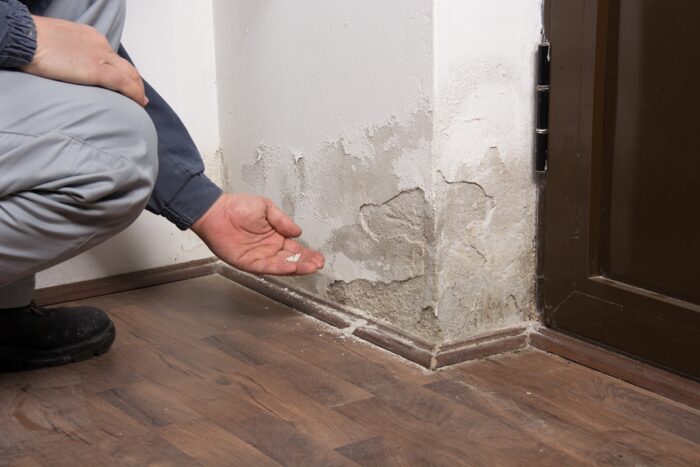
Water damage can happen to any home, but it’s especially common in older homes that have been built with inadequate foundation systems or are subject to heavy flooding. If you find this kind of damage in your home, there are a few steps you should take to help minimize the damage and get your home back to normal as quickly as possible.

Causes of water damage

  1. Broken water pipes: Liquid can leak from broken pipes, leading to flooding and harm. To prevent this from happening, keep an eye on your meter and report any broken pipes to your local utility company as soon as possible.
  2. Leaks from appliances: Hoses, faucets, and other appliances can cause leaks that lead to flooding. If you notice any strange or unexplained damage, be sure to investigate the source of the leak.
  3. Frostbite: In cold weather, water can freeze on the outside of your home and cause frostbite or other harm. If you notice any unusual ice buildup or damage around your windows or doors, be sure to contact a professional.
  4. Severe weather: Extreme weather conditions like hurricanes or floods can cause massive amounts of water damage in minutes. If you live in an area prone to extreme weather, be prepared and monitor your insurance policy for any potential claims.
Source: dkiservices.com

When to contact a professional

If you find devastation in your home, there are a few things you should do. First, call a professional like sosrescuerestoration to assess the harm and determine what needs to be done. If the damage is minor, you may be able to clean and dry the area yourself. If it is more severe, or if it’s an emergency situation, call a professional immediately. There are many things that can go wrong with damages at home, and calling a professional can help prevent any serious issues from occurring.

How to spot water damage

The first step is to check for obvious signs. Look for wet floors, ceilings, or walls; standing water; and soffit or gutter flooding. If you find any of these signs, contact a professional immediately.

If you don’t see any obvious signs of devastation, then take some time to inspect the area yourself. Look for areas where the flooring or walls are damp, and check for material that’s bulging or heaving due to liquid pressure. If you spot any of these signs, again – contact a professional as soon as possible.

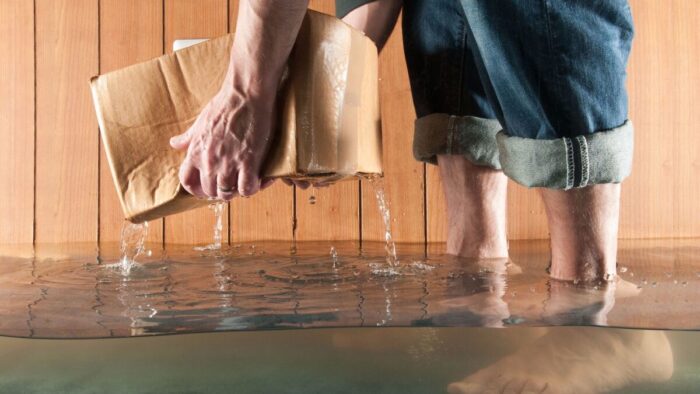
Once you’ve identified potential destruction, the next step is to start drying out the area. If there’s standing water, turn off all the faucets in the house and open all the windows to allow air to flow in and dry everything out. If there’s soffit or gutter flooding, wait until it’s been cleared before trying to dry anything out.

If there’s no standing liquid present, try to dry things out as quickly as possible using fans and ovens set to low heat. Remove any objects that can catch on fire (like curtains), and ensure to cover any electrical outlets and switches with protective covers.

Source: cornerstone-ltd.co.uk

How to clean up

The first thing you need to do is to evacuate the area. If the stream is coming from a pipe, turn off the main valve in the house and call a professional. If the floods coming from a wall or floor drain, use a plunger to suction onto the drainage pipe and pull up until the water stops coming out. You use a vacuum cleaner to remove any debris from the floor. Use a bucket to collect any liquid that has leaked onto the ceiling or walls. Finally, use a mop and bucket to clean up any remaining droplets. Do not try to fix anything yourself; call a professional immediately.

How to dry out wrecked items

If you find yourself in a situation where water has destroyed some items in your home, the first thing you should do is to evacuate the area. Once you have done that, it is important to start drying out any affected items. If the water has pooled on the floor, you may need to use a dehumidifier to help reduce the amount of moisture in the air. When drying items, be careful not to put too much heat or pressure on them, as this could cause further damage.

Source: servicemasterofcharleston.com

How to avoid damage

If you live in a climate that experiences heavy rainfall, it’s important to be aware of the water damage risks your home may face.

To help mitigate these risks, follow these tips for protecting your home from damage:

  1. Insulate Your Home: One of the best ways to avoid harm is by insulating your home properly. This can help keep moisture out and make it harder for the liquid to reach your property.
  2. Install Storm Drains: Another key strategy for preventing damage is installing storm drains near your home’s foundation. This will help divert excess rain away from your property and prevent flooding in the first place.
  3. Have a Designated Clean-up Person on Staff: One of the biggest mistakes homeowners make when it comes to water damage is not having someone on staff who is specifically trained in handling clean-up. This person should have access to all necessary tools and supplies to clean up any harm the water has done quickly and efficiently.
  4. Plan Ahead for Heavy Rainfall: When planning your landscaping, be sure to include drainage systems that can handle heavy rainfall. This way, you won’t have to worry about water entering your home in the event of a storm.
  5. Make sure your home is well-sealed. Water can seep through cracks and gaps in the roof, walls, and floors. Make sure all pipes and wires are properly sealed and that drafts are eliminated.
  6. Keep gutters clean. Gutter clogs can cause water to overflow onto roofs and into other areas of your home. Clean them regularly to avoid this type of problem.
  7. Check doors and windows. Make sure they are closed tightly to keep water out. If they are not, water can enter through the gaps and cause damage.
  8. Shut off utilities when you leave the house. If you’re going away for an extended period of time, make sure all utilities are shut off at the main switch in the house so that no one can turn them on while you’re gone. This will also help prevent accidental leaks if someone else is in the house while you’re gone.
Source: latimes.com

Conclusion

If you have water damage in your home, there are a few things you should do right away. First and foremost, reach out to a professional for help. Next, assess the extent of the damage. If it’s small, you may be able to handle it yourself. However, if the damage is more extensive or if there are any hazardous materials present, then it would be best to call an emergency service immediately. Finally, start cleaning up any water that has leaked into your home. This can include removing wet furniture, flooring, and other items from areas that have been flooded as well as mopping floors and walls.

Proper Fire Restoration Cleanup Process ─ 2025 Guide

Source: pinterest.com

A proper fire restoration cleanup process is very important for the safety of people and property. In most cases, the cleanup process begins by identifying the source of the flames. Once the source is identified, firefighters will work to extinguish the flames while protecting surrounding buildings.

What are the Causes of Fires?

It can occur in any location where there is a combustible material, or where there is an ignition source. The most common sources of fires are cigarettes, candles, space heaters, and cooking appliances.

  1. Ignition source- a fire can start from anything that produces heat, such as a candle, a space heater, or a stovetop burner.
  2. Careless use- if something is improperly stored or used, it may be a potential ignition source. For example, cigarettes should not be placed on the ground because they may easily catch fire. Instead, they should be stored in an ashtray or in a closed container out of the reach of children.
  3. Combustible materials- materials that easily yield heat (like wood) can cause a fire if they are combined with an ignition source.
  4. Lack of maintenance- it can also happen when things aren’t properly cleaned and maintained; this includes areas like kitchens and bathrooms.
  5. Unhealthy conditions- if the air quality in an area is poor, it may create conditions that promote fires.

The different types of fire restoration

Source: lawtoncr.com

There are many different fire restoration cleanup processes that may be used depending on the type of combustion and rare-restoration can help you with them. In general, however, all of them involve removing any debris and/or hazardous material that may have been contaminated by the fire.

The most common restoration cleanup process is called thermal decomposition. This process is used to remove debris and hazardous material that has been burned or melted. Thermal decomposition usually involves using heat and air to break down the materials into smaller pieces that can be removed easily.

Another common fire restoration cleanup process is called mechanical removal. This process involves using machines to remove debris and hazardous material. Mechanical removal usually involves using a crane or a large bucket to remove the material.

Each type of restoration cleanup process has its own advantages and disadvantages. It is important to choose the right process for the situation.

When restoring an area outside, there are a few basic steps that need to be taken:

  1. Remove any combustible material nearby. This includes wood, leaves, branches, and other flammable materials.
  2. Clear the area of any unwanted vegetation or tree roots.
  3. Sweep away any debris created by the fire. This could include ashes, embers, and soot.
  4. Pouring a pot of heavily diluted bleach over the area will help disinfect and clean up any remaining debris and particulate matter.

Steps you need to take

Source: smrsi.com

If there has been a fire in your home, the proper cleanup process is essential to protect your health and belongings. The process of proper restoration cleanup can be difficult, but it is important to follow these steps in order to avoid potential health and safety risks.

The first step in the cleanup process is to assess the damage. This means taking pictures and measuring any damages that have been done. This information will help you determine what needs to be cleaned and where to start.

Once you have assessed the damage, it is important to wear protective gear while cleaning. This includes gloves, face masks, and eye protection. Make sure to wear these items while cleaning any hazardous materials that may have been released during the fire.

Next, you will need to gather all of the cleaning supplies that you will need. These supplies should include water, a bucket, a mop or bucket-mop, disinfectant, and a bucket of soapy water. It is also important to have a dustpan and broom available for sweeping up any debris that was created during the cleanup process.

It is important to clean each area of the home individually. This means starting with the most contaminated areas and working your way down. Make sure to wear gloves and a face mask while cleaning so that you do not breathe in any smoke or residues.

Once each area of the home has been cleaned, it is important to disinfect it. To do this, use the disinfectant bucket and spray it around the perimeter of the room. Make sure to wait until the area has dried before you move any furniture or belongings back into the room.

Introduction to Fire Safety

Source: youtube.com

This is an important part of any home, office, or business. You need to be familiar with the different safety protocols in order to avoid any potential disasters.

The first step in any fire safety protocol is to ensure that all flames are completely extinguished. This means using water, foam, or chemical extinguishers. Make sure you know how to use them and where they are located in your home or office.

If a fire does occur, the next step is to evacuate the building as quickly and safely as possible. If there are people inside the building at the time of the fire, make sure they get out safely and follow any instructions given by emergency personnel. If there are no people inside the building, then proceed to extinguish any remaining flames and secure the building until emergency personnel arrives.

How to Respond to a Fire Emergency

Source: northernbeaches.nsw.gov.au

When a fire emergency occurs, the first step is to evacuate the building.

If you are unable to evacuate the building yourself, follow these instructions:

  1. If you are in a room with a fire, use your extinguisher to put out the fire. Do not try to rescue people or animals.
  2. If there is smoke in the room, leave through the door nearest you and close all other doors behind you. Stay outside until the smoke has cleared.
  3. If you are in a hallway, stay near the door and keep your eyes and mouth closed until the smoke has cleared. Do not open any door until instructed to do so by emergency personnel.
  4. If you are in a lobby or other large open space, stay where you are and wait for instructions from emergency personnel. Do not enter any burning buildings.

Conclusion

A proper fire restoration cleanup process is very important to prevent the spread of fire. By following the proper steps, you will be able to contain the damage and minimize the risk of future combustions. Make sure to wear protective gear, use ladders safely, clean up all debris, and so on. Remember: prevention is better than cure!

Beautiful Towns In Arabia That You Must Visit

Source: autentic.com

If you’re looking for some beautiful and unique towns to visit in Arabia, you should definitely check out these places! From dusty old oases to charming little villages, each one of these towns is a unique and interesting experience that you won’t want to miss.

The Geography of Arabia

Arabia is the largest country in the Middle East and encompasses a wide variety of landscapes and climates. The country is bordered by Iraq to the north, Syria to the northeast, Jordan to the east, and Saudi Arabia to the south. The Red Sea lies to the west and the Gulf of Aqaba borders it to the north.

The Arabian Peninsula has a long coastline on the Gulf of Aqaba facing Israel and Saudi Arabia. The interior is mountainous with several ranges including the Hijaz Mountains, which run parallel to Saudi Arabia’s Eastern coast. The highest mountain peak in Arabia is Jabal al-Nour, at 18,527 feet above sea level.

The country has a number of different deserts, including the Syrian Desert in central Arabia, which stretches for more than 1,000 kilometers from east to west. Other notable deserts include Rub al Khali in Oman; Bahrein; and Arava in Israel/Palestine. In addition, there are a variety of forests including those in Oman’s mountains and Yemen’s hilly regions. The Arabian Peninsula has many rivers and lakes, most notably: the Yamuna River in India; the Euphrates River in Iraq; the Arafat River in Saudi Arabia; and the Rub al Khali Desert’s Hawd al-Jafr.

You can visit this website for ideas on entertainment in Arabia.

1. Jeddah

Source: visitsaudi.com

Jeddah is a beautiful city that you must visit if you are interested in Arabian culture and architecture. The city’s history goes back to the time of Abraham and the Prophet Muhammad. Jeddah is known for its pearl trade and its many beautiful mosques, including the Great Mosque of Jeddah, which is the largest mosque in the world. The city is also home to a number of other important tourist attractions, such as the Meccan Tombs and King Abdulaziz Historical Site. Jeddah is a great place to visit any time of year, but especially during Ramadan when the city shines with a festive atmosphere.

2. Riyadh

Source: consultancy-me.com

Riyadh is one of the most beautiful and cosmopolitan cities in Saudi Arabia. It is also the capital of this county. Riyadh has an incredible history, with evidence of human habitation dating back more than 4,000 years. The city was once the center of a thriving trade network that stretched all the way to India and China. Today, Riyadh is a bustling metropolis with a rich cultural heritage.

One of the most famous attractions in Riyadh is the towering citadel known as Al-Qasr Al-Hariri. Built by the Abbasid Caliph Harun al-Rashid in 765 AD, it is one of the oldest and most significant buildings in Saudi Arabia. The citadel is home to several important mosques and palaces, including the Royal Palace and Harem.

Another must-see attraction in Riyadh is King Abdulaziz Square. This large square was built on the site of an earlier market square and features a number of impressive government buildings, including the National Guard Museum and Riyadh Governorate Building.

3. Taif

Source: mirage4travel-sa.com

Taif is one of the most beautiful towns in Arabia that you must visit. It’s a Historical and cultural city located in central Saudi Arabia. Taif is known for its old markets, religious sites, and natural attractions like the Red Sea Coast and Mount Aqaba.

This city is also known for its hospitable people, who are welcoming and friendly. It has a rich history dating back to before Islam. Taif was once the capital of the Kingdom of Hejaz and it still retains many of its historic features, including mosques, palaces, and forts.

There are many things to see and do in Taif, so make sure you plan your trip carefully. You won’t regret visiting this charming town!

4. Medina

Source: bartenbach.com

If you’re looking for a place to escape the rat race and soak up some of Arabia’s traditional culture, then you need to head to Medina. Medina, located in western Saudi Arabia, is one of the most beautiful towns in the region and was once home to the Prophet Muhammad. The town is surrounded by mountains and has numerous historical sites worth visiting, such as the Grand Mosque, which is considered to be one of the holiest sites in Islam. If you’re looking for a slower-paced lifestyle and stunning natural scenery, then Medina is definitely worth a visit.

5. Makkah

Source: freepik.com

Makkah is the most popular town in South Arabia. It is a Muslim holy city and the birthplace of Prophet Muhammad. Makkah is located in the Hejaz region of Saudi Arabia. The town has a population of about 2 million people.

Makkah is known for its two mosques, the Kaaba and the Masjid an-Nabawi. The Kaaba is a rectangular building that was built by Adam and is considered to be one of the holiest places in Islam. The Masjid an-Nabawi was built by Muhammad’s grandson, Abdul Malik ibn Marwan, and is considered to be one of the most important mosques in Islam. Makkah also has many other attractions, such as the Old City walls and the Umm al-Qura Mosque.

6. Tayma

Source: richardwilding.com

Located on the coast of the Gulf of Aqaba, it has a long and colorful history dating back to antiquity. Tayma is known for its beaches, seafood, and historic sites. It is also a center for trade and commerce, and it has a population of over 100,000 people. Tayma is a popular tourist destination, and it has many hotels and restaurants.

Conclusion

Arabia is a land of beauty, and if you’re looking for a place to escape the everyday hustle and bustle, then Arabia is definitely the place for you. From stunning desert towns to bustling metropolitan areas, there’s something for everyone in Arabia. Whether you’re traveling on your own or with a group of friends, these destinations will leave you with memories that will last a lifetime.

How to Build Your Net Worth

Source: corporatefinanceinstitute.com

You may be surprised to know that you can’t necessarily tell much about a person’s net worth from their lifestyle. Someone who appears to live very extravagantly might have a negative net worth while another person who seems to be frugal might have a substantial fortune. Net worth is calculated by subtracting a person’s liabilities from their assets, so someone who lives above their means or who has a significant amount of debt might not have a very high net worth. Building your net worth is important for long-term financial security and independence, and the tips below can help you do that.

Source: passionateinmarketing.com

Money and You

The first thing to do before you can put any money saving tips into practice is think about your relationship with money. If you’re married, you should have this conversation with your spouse. If you share finances with a partner but you’re not married, you should also do this together. If you live together but don’t share finances, it’s still important to have this conversation because how each of you manages your individual finances affects the other person. Consider what your background is when it comes to finances.

How did your family approach it? Did they talk about it, or was it considered to be a topic that was taboo, shameful, or stressful? Were your parents savers, spenders or one of each? Did they teach you much about personal finance? What kind of baggage do you think they passed on to you when it comes to financial matters? What is your own attitude about money? Are you a spender, a saver, or a little bit of both? What do you like to spend on? Do you value things or experiences? How much do you need to have in the bank to feel secure? If these questions feel especially fraught, you could discuss them with the help of a counselor or life coach. Exploring your answers will help you better understand your motivations and your weaknesses.

Source: passionateinmarketing.com

Understand the Big Picture

The next step is to get a realistic picture of your finances. For some, this step will be an easy one; for others, it may be the most difficult of all. As with the discussion questions above, you can always work with a counselor or coach at this stage if you feel a lot of anxiety at the idea of opening bills, creating up a budget and figuring out exactly how much you owe. However, you’ll need to do all of these things in order to move to the next step. If you aren’t sure where your money is going each month, which is true of many people, an app that tracks your spending can help you determine that. This will form the basis of the budget you will create.

Look at how much you make annually, and break that down across 52 weeks. Your budget should account for all of your regular expenditures as well as those that happen irregularly, such as dry cleaning or buying birthday presents. Tracking your spending will also help you identify places where you are wasting money, but make sure that you don’t make a budget so bare bones that no one could stick to it. You are allowed to spend some money on things that you enjoy. You’ll also need to include money for debt, savings and investments. Add up the value of everything you own. Then, add up your debts, and subtract that amount from your assets to find out your net worth. How do you feel about the number that comes up? Even if it’s not as high as you’d like or it’s in the negative, there’s a lot you can do to change that.

Source: forbes.com

A Plan to Pay Off Debt

First, you need a plan to pay off your debt. With the exception of your mortgage, this should be your first priority. There are a few reasons for this, but essentially, the longer you have a debt, the more you’re wasting on interest. Once you’ve paid off what you owe, you can apply that cash to savings and investing. Focus on one bill at a time, either the one with the highest interest rate or the smallest one.

The former approach is more financially savvy, but the latter approach can be psychologically motivating and help you stay on track. Pay the minimum on the other bills until the first one is paid off. Then take what you were paying on that and apply it along with the minimum to the next in line. You can also look at ways to reduce what you owe. You can often lower credit card interest rates by rolling your balance onto a lower-interest card. You may be able to refinance your student loan into a new loan if you go to this site, that offers a lower interest rate than your original loan or that offers lower monthly payments. The latter benefit might make it easier for you to fit those payments into your overall plan.

Source: credit.org

Emergency Savings

No matter how well you plan, unexpected expenses happen because life happens: home repairs, vet bills, car repairs, dental emergencies and so much more. Easily liquidated savings can help you absorb these emergencies without going further into debt. While paying off what you owe has to be your priority, it’s not a bad idea to try to get a few hundred dollars in your emergency account before you’ve cleared your total debt. Once you no longer owe money, you can start adding more to this account until you have at least three to six months of expenses.

Source: linkedin.com

Investing

Just as you should try to put $500 or so in your emergency savings account while you’re paying down debt, it’s generally a good idea to try to contribute to your retirement account during that period as well. This is particularly true if you’re in your 20s or 30s since that money is likely to be worth a great deal in a few decades. However, outside of putting money toward retirement, you should wait until you’re debt free and have some emergency savings before you start seriously investing. At that point, you can look into many different options, such as setting up an online brokerage or purchasing real estate.

Grandmother sharing a meal with children, illustrating how celiac disease can affect relatives across generations.

Does Celiac Disease Run in Families? What Relatives Should Know

0
Celiac disease has a genetic component, but an affected parent or sibling does not mean you will develop it. Learn who should consider screening, what genetic tests can and cannot tell you, and why you should keep eating gluten until medical testing is complete.