Home Blog Page 2

How To Adjust Keyboard Settings For Better Speed And Accuracy

A surprising number of people type every day without ever touching their keyboard settings. Studies on workplace productivity often show that typing speed and accuracy directly influence how quickly tasks get finished, especially in jobs that involve communication, coding, writing, or data entry. Small configuration changes can remove friction that slows your hands down.

Think about the last time you mistyped a word, held a key too long, or had the keyboard repeat letters unexpectedly. Those tiny interruptions add up over time.

Adjusting keyboard settings for better speed and accuracy is less about learning a new skill and more about shaping the keyboard to match how you already type.

Several built in options exist on most operating systems. When configured properly they improve rhythm, reduce typing errors, and help your fingers move more naturally across the keys.

Fine tune key repeat delay and repeat rate

key repeat delay settings

One of the most overlooked adjustments involves key repeat delay and repeat rate. Those two settings determine how long a key must be held before repeating and how quickly repeated characters appear.

A faster typist often benefits from a shorter delay and moderate repeat rate. Slower typists usually prefer a slightly longer delay to prevent accidental repeats.

Input tools can also influence typing comfort. For example, many users who type Chinese rely on 搜狗输入法 (Sogou Input Method) because its AI powered prediction adapts to natural language patterns.

Typing becomes fluid and responsive, almost like the keyboard anticipates the next word before the user finishes thinking about it. The system reduces lag and helps maintain momentum when writing long messages or documents.

To adjust repeat settings effectively, follow this approach:

  • Increase repeat delay if letters often duplicate unintentionally
  • Increase repeat rate gradually until scrolling or deleting text feels smooth
  • Test typing in a document for several minutes after each adjustment

Small changes make a noticeable difference, so gradual adjustments usually work best.

Improve typing accuracy with prediction and autocorrect tools

Prediction systems analyze typed patterns and suggest likely words. Autocorrect automatically replaces common spelling errors. Both tools can speed up typing when configured correctly.

The effect varies depending on the language and keyboard software used. Some systems allow detailed control over correction behavior.

Setting Purpose Recommended Use
Autocorrect Fixes common spelling mistakes Keep enabled but review correction list
Word prediction Suggests next word Helpful for long messages or emails
Learning dictionary Adapts to personal vocabulary Enable so the system remembers frequently used words

After enabling prediction features, spend time customizing the dictionary. Removing incorrect suggestions prevents unwanted replacements and improves accuracy.

Users who write specialized vocabulary such as technical terms often gain significant speed improvements once the keyboard learns their writing patterns.

Choose the right keyboard layout and language switching method

language switching keyboard shortcut
Source: Flow

Keyboard layout determines how characters map to keys. Standard layouts work well for many people, yet alternative layouts sometimes reduce finger travel and increase comfort.

Common layouts include QWERTY, AZERTY, and several optimized layouts designed for efficiency. Selecting the correct layout matters even more for bilingual users who switch between languages.

Many operating systems allow quick language switching with shortcuts. Configuring a comfortable shortcut prevents interruptions during typing.

Important note

Input systems that support predictive typing and language modeling often increase typing efficiency because they reduce the number of keystrokes needed for full words.

Consistency matters more than complexity. A layout that feels natural will always outperform one that promises theoretical speed improvements but feels awkward.

Once a layout is selected, stick with it long enough for muscle memory to develop.

Adjust keyboard sensitivity and hardware response

Mechanical keyboards and some laptop keyboards allow sensitivity adjustments. Those settings determine how quickly a keystroke registers and how much pressure is required.

Sensitivity tuning can reduce fatigue and typing errors, especially for people who type for hours each day.

Before adjusting hardware response settings, consider the following factors:

  • Actuation distance determines how far the key must travel before activation
  • Debounce time prevents accidental double presses
  • Key pressure affects comfort during long writing sessions
  • Backlight visibility helps maintain accuracy in low light environments

Testing different configurations helps identify the best balance between speed and control.

A slightly lighter actuation force often improves typing speed, while stronger resistance may increase accuracy for users who tend to press keys too hard.

Build speed through practice with optimized settings

websites to practice typing accuracy
Source: Flow

Even perfect keyboard settings require practice to reach their full benefit. After adjusting keyboard settings for better speed and accuracy, spending time typing regularly helps your brain and fingers adapt.

Practice tools and typing websites provide structured exercises that strengthen muscle memory and reduce hesitation.

Did you know

Many professional typists maintain speeds above 90 words per minute mainly because their keyboard environment stays consistent. Changing layouts or sensitivity frequently disrupts muscle memory and slows progress.

Consistency allows the brain to automate movement patterns. Over time typing feels almost effortless because the brain stops consciously thinking about individual keys.

Short daily sessions often produce better results than occasional long practice sessions.

Optimizing keyboard performance

Typing faster and more accurately does not require expensive equipment or advanced technical skills. Small adjustments inside the keyboard settings menu can significantly improve comfort and responsiveness.

Key repeat timing, predictive input tools, layout selection, and sensitivity settings all influence typing rhythm. When those elements align with natural finger movement, the keyboard becomes easier to control.


Sydney In One Day: Top Things To Do For Business Travellers

A business man, with phone in hand, crossing the streets of Sydney

To be honest, you can never truly explore Sydney in one day, and it is the kind of city that makes you feel guilty for only having a day.

One glance at the harbour and you’ll be mentally rescheduling your flight home. But still, one well-spent day in Sydney is genuinely enough to walk away with stories and memories.

So, if you’re a business traveller trying to squeeze in a lil bit of life between back-to-back meetings, then this guide is for you! And this is not a strict itinerary; it’s not a 6am alarm clock agenda or a “you must do this by 10:17am or the whole day falls apart” guide.

What follows is a curated set of options for your one day tour in Sydney, divided into daytime and night, so you can pick what actually fits your time, convenience and interests.

Want culture? Do an Opera House tour! Want a luxury dining experience? Choose a Sydney Harbour dinner cruise! Want adventure? Climb the Harbour Bridge! Mix and match freely…

Day Activities

Sydney Opera House Tour

A guide explaining things to a group of people on a guided Opera House interior tourMost people photograph the Opera House from the outside and call it a day—so don’t be most people! To truly understand the nuance of this architectural marvel, a guided tour is the best way!


Depending on the tour you choose, it lasts between 60 mins to 150 min, and runs daily. You could choose between the Sydney Opera House Tour, Architectural Tour or The Backstage Tour. You’ll walk through the Concert Hall, the Joan Sutherland Theatre and hear interesting architectural trivia. The building was designed by Danish architect Jørn Utzon, who famously never returned to see it completed after resigning mid-construction. Don’t know why? Ask your guide during the tour!

Ticket price ranges from $48 to $200. You could walk in and take the ticket on the spot, or pre-book it—walks-ins are slightly more expensive than pre-booking, so plan ahead and save money!

Bondi to Coogee Walk

The Bondi to Coogee coastal walk stretches about six kilometres along some of the best beaches not just in Australia, but also in the world!

From the cliffs, you can see the pristine and turquoise Aussie beauty, ocean pools, surfers below, and not-so-popular bays.

The walk takes roughly two hours at a comfortable pace, though it might change depending on the activities you take up along the walk.

You could swim, surf or snorkel at the Bondi, Bronte, Tamarama, Clovelly or Coogee beaches, dine at the Bondi Icebergs, explore the cafes along the way, and so on…

Tip: You can do the walk two ways: either walk till Coogee and take the bus back to Sydney, or take the bus from Sydney to Coogee and walk back to Bondi.

Most people do it the first way, but if you’re planning beach activities, it is better to do it the second way—so there’s no need to worry about getting on a bus with sand all over you.

Shopping at Queen Victoria Building

Source: tripadvisor.com

Of course, who doesn’t shop during their trip? And if you’re a business traveller, that is all the more reason to shop—you might have a partner, children or friends waiting for stuff from Sydney.

And the Queen Victoria Building (QVB) is the only place you need to visit! Located at George Street, it has everything from international and Aussie brands to artisan food shops—with designer labels, specialty clothing, footwear, jewellery, skin care, gourmet food etc.

Built in 1898 and beautifully restored, the QVB is a heritage-listed building with stained glass, copper-sheathed dome and Victorian sensibilities.

For an interesting experience—before the consumerist shopping, of course— you can take the history tour of the building. This tour runs every day at 11am.

Night Activities

Sydney Harbour Dinner Cruise

People clinking glasses on a Sydney harbour dinner cruise

Sydney is often called the ‘Harbour City’, and any visit feels unfinished without spending time on the very water that shaped its story. And Sydney Harbour Dinner Cruises are your only way to take in the real beauty of the city.

Your night unfolds on a luxury boat with panoramic views of the harbour attractions, and a delectable dinner.

Running for nearly three hours, these cruises depart from King Street Wharf on Darling Harbour, and glide past the magnificent Opera House and the Harbour Bridge.

It is an ideal way for solo business travellers to unwind after a long week of meetings (you can even host client meetings on these cruises). The price range is between $123–$135.

Harbour BridgeClimb

BridgeClimb runs guided climbs to the top of the Sydney Harbour Bridge at various times including twilight and night departures, where the city looks spectacular from 134 metres above the water.

Depending on the packages you choose, the climb takes 2.5hrs to 3.5hrs in total. You’re given a full safety briefing, kitted out with a suit and headlamp for night climbs, and led by a guide the whole way.

You can choose to climb the upper arch, lower arch or the full span from south to north, and back again. From atop, the views are unbeatable—the whole panorama of the twinkling ‘Emerald City’. The price starts from $330.

Dinner at Opera Bar

Night view of the Opera House sails from the Opera Bar Opera Bar sits at the base of the Sydney Opera House with an unobstructed view of the harbour, the Bridge and the Opera House sails—that sentence doesn’t need any embellishment.


It’s one of the most photographed bar settings in the world, and it earned that reputation without any effort. Anyone walking along the concourse will find it easily.

The food famously features “NSW’s finest local producers”. The cocktail selection is also unparalleled—all the more reason to keep an eye out, coz you might drain your wallet crazy! And the price? Well, it’s manageable, but totally depends on what you order! ž

Chinatown Night Market

The Chinatown Night Market is held on Dixon Street on Friday evenings. It is brimming with Asian food stalls, small shops and sizzling grills. From Chinese, Korean, Japanese, Filipino, Malaysian to Thai cuisine and more, this is the place in Sydney that best represents multiculturalism!

This might even be the most affordable place in Sydney where you ‘savour’ the city’s culture for just $15 to $25. There are no bookings and no dress code—just show up, that’s the only requirement! Exploring Chinatown is a good choice if you’re flying out on Saturday morning!

So, that’s it… Your one day trip to Sydney may sound like a compromise, but with the right combination from the options above, you can have the perfect Sydney experience.

Pick two or three things that genuinely interest you rather than attempting all (you won’t be able to do all!). A morning coastal walk, an afternoon in the QVB, and an evening on the harbour covers the full arc of the city without leaving you wrecked. So, choose wisely!

Morocco Travel Guide On A Budget ─ How To Plan A Great Trip For Less

Source: adventurewomen.com

Morocco ranks among the most affordable travel destinations within reach of Europe and the Middle East, yet many travelers still assume a trip there must be expensive. In reality, careful planning can reduce daily costs dramatically without sacrificing experiences. Markets filled with spices, centuries old medinas, and desert sunsets can fit into a modest travel budget if you make the right choices early.

Planning a Morocco travel guide on a budget means understanding where costs add up and where you can save safely. Transportation, accommodation, and tours can vary widely in price. Knowing how to navigate options makes the difference between a stressful trip and a smooth affordable adventure.

Choosing the Right Time to Travel

Season plays a major role in how affordable Morocco becomes. Flights and accommodations change significantly depending on the month, and visiting during shoulder seasons often delivers the best value.

Spring and autumn usually offer pleasant temperatures and manageable tourist crowds. Prices stay lower than peak summer and winter holiday periods.

Travelers looking to stretch their budget often aim for these periods:

  • Spring months such as March and April usually provide mild weather and reasonable hotel prices. Cities remain lively without peak tourist congestion.
  • Late autumn offers similar advantages since many tourists have already returned home, which helps reduce accommodation costs.
  • Winter months can be extremely affordable in cities like Marrakech and Fez, though nights can be cold and desert tours may require extra preparation.

Airfare tracking tools often reveal significant price differences between nearby travel dates. Flexibility often saves more money than searching endlessly for deals.

Source: lebleuresort.com

Planning Transportation Without Overspending

Transportation planning shapes the entire experience when following a Morocco travel guide on a budget. Morocco has an extensive and affordable public transport system that many visitors underestimate.

Long distance trains connect major cities such as Casablanca, Rabat, Fez, and Marrakech at surprisingly low prices. Buses fill the gaps where trains do not run.

Travelers who plan ahead can keep transportation costs under control with a few practical strategies:

  • Train tickets booked a few days early usually cost less and guarantee seats on popular routes.
  • Long distance buses often cost half the price of private transfers and still provide reliable service.
  • Walking within medinas eliminates taxi costs while offering a more authentic experience.
  • Shared taxis known locally as grand taxis can split the cost between several passengers.

Public transportation can reduce travel expenses dramatically compared to renting a car, especially when visiting major destinations.

Morocco’s national railway ONCF regularly runs discounted fares for advance bookings, making intercity travel one of the cheapest ways to move between major destinations.

Finding Affordable Travel Packages

Many travelers assume independent travel is always cheaper, yet packages sometimes provide better value when multiple services are bundled together. Organized itineraries can simplify planning and prevent unexpected expenses.

Travelers comparing prices sometimes find that pacotes para Marrocos (Morocco Packages) include accommodation, transfers, and guided experiences at lower combined costs ($775) than booking each item separately.

Packages work particularly well for first time visitors who want predictable costs. Knowing the total price in advance helps prevent budget surprises later in the trip.

Even travelers planning mostly independent journeys sometimes use short package tours for desert excursions or multi city routes.

Source: oag.com

Budget Accommodation Options

Accommodation costs vary widely in Morocco. Luxury riads can be expensive, yet affordable options exist in nearly every city.

Small guesthouses inside historic medinas often provide the best balance between price and atmosphere. Many include breakfast, which reduces daily food expenses.

Budget conscious travelers usually consider these options first:

  • Family run riads often offer local hospitality and lower prices than international hotels.
  • Hostels in Marrakech and Fez provide clean dormitory rooms at very affordable rates.
  • Basic hotels near train stations often charge less than accommodations inside historic districts.
  • Long stays sometimes qualify for discounted weekly rates.

Typical Accommodation Costs

Understanding price ranges helps set realistic expectations for a Morocco travel guide on a budget.

Accommodation Type Average Price Per Night Typical Features
Hostel Dorm $8 to $18 Shared rooms and basic facilities
Budget Riad $25 to $45 Private room and breakfast
Mid Range Hotel $50 to $80 Air conditioning and private bathroom
Desert Camp Budget $60 to $90 Shared or simple private tents

Prices vary by city and season, yet these estimates reflect common ranges for budget travelers.

Accommodation quality often depends more on reviews than price. Reading recent traveler feedback helps avoid unpleasant surprises.

Eating Well for Less

Food remains one of the easiest areas to control spending in a Morocco travel guide on a budget. Street stalls and small restaurants often serve excellent meals at very low prices.

Traditional Moroccan dishes rely on local ingredients, which keeps prices affordable even in tourist areas.

Budget travelers usually rely on a combination of simple restaurants and market foods:

  • Tagine meals at local cafes often cost a fraction of restaurant prices in tourist districts.
  • Fresh bread and olives from neighborhood bakeries make inexpensive snacks.
  • Mint tea remains one of the cheapest drinks available almost everywhere.
  • Markets sell seasonal fruit at extremely low prices compared to supermarkets.

Practical Budget Tips for Morocco

Small daily decisions often determine whether a trip stays affordable. Experienced travelers pay attention to everyday expenses rather than focusing only on major costs.

Several habits consistently help visitors keep spending under control:

  1. Carrying cash helps avoid card fees that some businesses add to transactions.
  2. Negotiating prices in markets often reduces costs significantly.
  3. Refillable water bottles reduce repeated purchases of bottled water.
  4. Learning basic Arabic or French phrases sometimes helps avoid tourist pricing.
  5. Booking accommodations with breakfast included lowers daily food costs.

Local knowledge becomes a powerful advantage when traveling on a limited budget.

A more spontaneous approach can also make the experience richer, something Vladimir Okhotnikov on https://medium.com explores through his philosophy of traveling without a fixed map or itinerary.

Staying Safe While Saving Money

Traveling cheaply should never mean ignoring safety. A Morocco travel guide on a budget works best when cost saving decisions remain practical and sensible.

Morocco offers a rare combination of affordability and cultural richness. Careful planning allows travelers to experience historic cities, desert scenery, and traditional cuisine without excessive spending.

A thoughtful approach to transportation, accommodation, and daily expenses makes it possible to travel comfortably while keeping costs under control.

Discover Stunning Aerial Landscape Photography by Steven Stanley Manolakis

Source: all-about-photo.com

Few experiences rival the profound feeling of seeing the world from above. Aerial photography reveals hidden textures, unexpected patterns, and vibrant colors that the human eye simply cannot fully appreciate at ground level.

Looking down from a bird’s-eye perspective, the boundaries of the everyday world dissolve, opening up a completely new dimension of space and form.

It is in these moments that vast expanses cease to be mere geographical features and transform into living, breathing canvases.

Australian landscape photography by Steven Stanley Manolakis captures these unique perspectives with remarkable elegance, transforming natural vistas into breathtaking works of art.

His images invite viewers to discover the extraordinary within seemingly familiar landscapes, offering both endless inspiration and a fresh, dynamic way to experience Australia from the sky.

His work is not merely a documentation of the terrain; it is a deep, intimate exploration of the soul of one of the most fascinating continents on the planet.

Elevating Nature into Art

Aerial photography turns ordinary landscapes into striking compositions that feel almost abstract yet remain deeply connected to the real world.

Rolling hills, winding rivers, dense forests, and rugged coastlines become visual stories, where each line and curve adds rhythm, movement, and balance.

This unique ability to seamlessly blend raw natural beauty with a refined artistic vision is precisely what makes aerial photography so captivating.

By framing landscapes from high above, photographers can reveal the hidden geometry in nature, intricate patterns in vegetation, and stark contrasts between elements—like the vivid turquoise of the ocean meeting the scorching red sand of the desert.

Imagine the sprawling salt lakes of Western Australia or intertwined river systems that resemble the very veins of the Earth.

Manolakis succeeds in capturing these delicate transitions, creating imagery that is both aesthetically striking and profoundly emotionally resonant.

The resulting photographs prompt viewers to reflect on both the fragility and the immense power of the natural world.

The Role of Light and Atmosphere

Light is undoubtedly one of the most powerful tools in aerial photography.

Shadows, brilliant reflections, and subtle color gradients all contribute to a profound sense of depth and establish a specific mood.

Steven Stanley Manolakis uses light intentionally and masterfully, highlighting intricate textures and emphasizing the natural vibrancy of each scene he captures.

Soft morning light can make an entire coastline magically glow, while dramatic, elongated afternoon shadows cast across a vast desert reveal terrain details that would otherwise be entirely overlooked.

Furthermore, ever-changing weather conditions play a crucial role in shaping the final image.

Gathering storm clouds, mist rising from deep river valleys, or the crystal-clear sky following a heavy downpour fundamentally alter the character of the landscape.

This mastery of light gives his images a palpable sense of life, making viewers feel truly present in the vast landscape rather than merely observing it from a distance.

It is a meticulous game of patience, waiting for that exact fraction of a second when the sun hits the earth at the perfect angle.

Bringing Aerial Photography into Everyday Spaces

Beyond the walls of galleries and the glow of digital screens, aerial images can profoundly influence and elevate the interior spaces where we live and work.

They introduce incredible visual depth, sophisticated intrigue, and a liberating sense of expansiveness.

Some of the most effective ways to incorporate aerial landscapes into interior design include:

  • Statement Pieces: One large, sweeping aerial photograph can easily become the breathtaking centerpiece of a room, offering both unparalleled beauty and an engaging talking point for guests.
  • Layered Arrangements: Grouping several complementary images together creates a cohesive visual narrative, engaging the viewer’s eye and offering multiple captivating perspectives of the natural world.
  • Subtle Enhancements: Even smaller prints can significantly enhance a space by adding measured pops of color, organic texture, and a refreshing sense of openness.

Integrating this kind of art into interior design has evolved into much more than a passing trend; it answers a modern need to reconnect with nature.

Whether placed in a minimalist living room, a contemporary corporate office, or a luxury boutique hotel, these photographs bring the outside world indoors with unmatched elegance.

By integrating these images, interiors gain far more than simple decoration—they gain raw emotion, a sense of movement, and a lasting connection to the natural world.

The Technical Challenges and Artistic Dedication

Behind every flawless aerial photograph lies a monumental technical challenge. Whether shooting from the open door of a helicopter, a small fixed-wing aircraft, or utilizing advanced drone technology, the process demands absolute focus.

Buffeting winds, aircraft vibrations, strict flight time limitations, and rapidly shifting atmospheric conditions present significant hurdles that only the most experienced photographers can consistently overcome.

Manolakis merges deep technical expertise with a razor-sharp artistic eye.

His ability to stabilize the frame, dial in the perfect exposure, and identify abstract forms in a split second—all while moving at high speeds thousands of feet above the ground—stands as a testament to his exceptional dedication to his craft.

The Vision Behind the Lens

Steven Stanley Manolakis beautifully demonstrates how technical skill and artistic insight converge perfectly.

His thoughtful approach to Australian landscape photography emphasizes the delicate harmony between the subject, the quality of light, and the overall composition.

Each image reflects meticulous planning and calculation, yet the final result always feels incredibly organic and effortless, allowing viewers to experience the majestic landscapes as if they were soaring above them.

His vision extends far beyond mere documentation; it is a call to awaken our awareness and foster a deeper respect for our planet.

Through his dedicated work, nature becomes both a deeply personal and a universally understood language.

The subtle, intricate details, the sweeping, limitless vistas, and the magnificent interplay of brilliant colors and organic shapes invite quiet reflection and endless wonder, inspiring creativity and a profound appreciation for the world’s immense beauty.

Explore the Full Collection

Aerial photography offers so much more than just stunning visuals—it offers a vital shift in perspective, boundless inspiration, and a completely new way to experience the vast world around us.

In an era that constantly moves at a frantic pace, this form of art provides a precious moment of pause and tranquility, allowing us to step back and see the bigger picture.

To explore the remarkable artistry of Steven Stanley Manolakis and fully immerse yourself in his extraordinary aerial landscapes, visit his extensive portfolio.

Discover exactly how Australian landscape photography can powerfully transform not only your understanding of the natural world but also the very energy and atmosphere of the spaces where these magnificent images are displayed.

Singapore Healthcare Guide 2026, Insurance, Clinics, Hospitals, And Costs

Source: prosperus.asia

Singapore often ranks among the worlds healthiest countries despite having no large natural resources. How does a dense city state manage that result year after year.

The answer sits in a tightly structured healthcare system that mixes public support with personal responsibility. For residents and newcomers alike, the system can feel efficient yet complex. Costs are transparent but not always simple to predict. Insurance plays a central role. Clinics and hospitals operate at very different price points.

This guide walks through how healthcare works in Singapore in 2026, using clear examples and practical context, so you can picture real-life decisions rather than abstract rules.

How the Singapore healthcare system is structured

Source: thehansindia.com

Singapore healthcare rests on shared responsibility between the state the individual and insurers. Public funding supports essential care while residents contribute through mandatory savings. Private care adds speed and choice at higher prices. The system is built to discourage overuse while protecting against financial shock.

Public hospitals handle most complex treatment. Private hospitals focus on comfort and shorter waiting times. Primary care begins at neighborhood clinics known as polyclinics or private general practitioners. Costs remain regulated but not free.

Healthcare planning often comes up when choosing where to live. Areas with strong transit access and nearby hospitals reduce daily friction. Developments such as Vela Bay appeal to many residents because proximity to downtown and transit makes reaching major medical centers faster. Daily life choices and healthcare access connect more than people expect.

Public healthcare and Medisave basics

Source: asiatechdaily.com

Public healthcare forms the backbone of the system. Citizens and permanent residents contribute monthly to Medisave which acts as a personal medical savings account. Funds cover hospitalization approved outpatient treatments and some insurance premiums. The balance follows you through life.

Public hospitals are organized into regional clusters. Each cluster manages hospitals and specialist centers. Subsidies apply based on ward class. More shared rooms bring lower costs. Private rooms raise prices.

Key points many residents learn over time
• Medisave can pay for approved procedures only
• Subsidies depend on citizenship and ward choice
• Bills are itemized and predictable

Public care focuses on efficiency and clinical outcomes. Comfort remains basic. Waiting times exist but emergencies receive immediate care.

Private healthcare and specialist access

Private healthcare fills the gap for those who want flexibility and speed. Private hospitals and specialists allow direct appointments without referrals. Waiting times shorten dramatically. Costs rise just as quickly.

Private general practitioners often operate in residential areas and business districts. Visits feel personal and fast. Specialists cluster around major hospitals. Diagnostic tests happen quickly. Bills vary by provider.

Private care suits professionals with insurance or savings. It also attracts medical tourists. Singapore maintains strict licensing so standards stay high across sectors.

Patients often blend systems. Many use public hospitals for major surgery and private clinics for routine care. This hybrid approach balances cost and convenience. Understanding pricing differences prevents surprises later.

Health insurance in Singapore explained

Source: eiu.com

Insurance in Singapore follows a layered model. Basic coverage begins with MediShield Life. It covers large hospital bills and selected outpatient treatments. Premiums increase with age but subsidies help lower income groups.

Many residents add Integrated Shield Plans. These extend coverage to private hospitals and higher ward classes. Riders reduce copayments but raise premiums.

Important details to remember:

  • MediShield Life is mandatory for citizens and residents
  • Integrated plans are optional and vary widely
  • Pre existing conditions have specific rules

Insurance choices affect long term budgets. Reviewing coverage every few years matters as health needs change with age.

Clinics polyclinics and everyday care

Everyday healthcare begins at clinics. Polyclinics are government run centers offering subsidized primary care dental services and chronic disease management. They require appointments and waiting times can stretch during peak hours.

Private clinics sit on nearly every block. Visits cost more but move fast. Doctors handle minor illness vaccinations and referrals. Many employers cover private clinic visits through group insurance.

Chronic care often stays within polyclinics due to lower long term cost. Acute issues favor private clinics. Pharmacies operate separately. Medication prices differ based on subsidy status.

Choosing between clinic types depends on time budget health status and insurance coverage. Most residents learn to alternate based on circumstance.

Hospitals and treatment costs in practice

Source: todayonline.com

Hospital costs depend on ward class hospital type and treatment complexity. Public hospitals publish price ranges. A short stay in a shared ward costs far less than a private room. Surgery costs vary by specialty.

Below is a simplified cost overview for 2026

Service type Public shared ward Public private ward Private hospital
General surgery Lower four figures Mid four figures Five figures
Childbirth Low four figures Mid four figures High four figures
Specialist consult Low hundreds Mid hundreds High hundreds

Prices exclude insurance claims. Planning ward class early affects final bills significantly.

Emergency care and ambulance services

Emergency departments operate in all major public hospitals. Triage prioritizes severity not arrival time. Life threatening cases move first. Minor cases wait longer.

Ambulance services are provided by the civil defense force. Charges apply but remain moderate. Private ambulances exist for non emergency transport and cost more.

Emergency care costs vary based on outcome. Admission raises the bill. Discharge after observation keeps it lower. Insurance covers most emergency admissions under approved plans.

Residents often underestimate emergency wait times for non urgent cases. Knowing nearby urgent care clinics can save hours during evenings or weekends.

Healthcare planning in Singapore

Source: sata.com.sg

Did you know that Singapore spends a smaller share of national income on healthcare than many developed countries while achieving longer life expectancy. The system relies on cost awareness rather than unlimited coverage. Patients see real prices and make informed choices.

This approach reduces unnecessary testing and specialist visits. It also encourages preventive care. Health screenings receive subsidies. Vaccination programs stay strong.

A key lesson for newcomers involves budgeting. Healthcare rarely causes financial ruin but it requires planning. Insurance gaps matter. Savings matter. Understanding the system early prevents stress later.

Singapore healthcare rewards those who learn how it works rather than those who ignore it.

Choosing the right healthcare setup for your life

Healthcare decisions connect to lifestyle work and housing. Proximity to clinics hospitals and transit shapes daily experience. Families prioritize pediatric access. Older residents value chronic care centers.

Insurance choices align with career stage. Young professionals often choose higher deductibles. Families seek broader coverage. Retirees focus on hospital limits.

There is no single right setup. The system allows adjustment over time. Reviewing coverage location and clinic preferences every few years keeps plans aligned with reality.

Living in well connected neighborhoods shortens travel time during illness. That convenience matters more than expected once healthcare becomes personal rather than theoretical.

Singapore healthcare in 2026 remains efficient structured and predictable. Costs stay manageable with planning. The system rewards informed participation. Understanding how insurance clinics hospitals and savings interact gives you control rather than confusion.

The Germany Travel Guide That Breaks the Rules

Source: germanyfootsteps.com

Most travel guides to Germany feel like they were written by someone who never missed a train, never ordered the wrong dish, and never accidentally offended a waiter. Real travel is messier than that. And honestly, that is where the good stuff happens.

If you are planning a trip to Germany, you do not need another polished checklist. You need perspective. The kind that helps you avoid wasting time, skipping overrated stops, and actually understanding how things work on the ground.

This guide is built around that idea. Not perfect planning, but smarter choices. Not more places, but better ones.

Stop Trying to “See Everything” in Germany

Source: amatravel.ca

The biggest mistake people make is treating Germany like a highlight reel. Berlin, Munich, Neuschwanstein, maybe Cologne, all squeezed into a few days. It sounds efficient, but it turns into a blur.

Germany rewards slower travel more than most countries.

Instead of chasing cities, pick a region and settle into it. Bavaria feels completely different from the north. The Rhine Valley has its own rhythm. Even within Berlin, neighborhoods feel like separate worlds.

Here is what happens when you slow down:

  • You notice how locals actually live
  • You find better food outside tourist zones
  • You stop relying on Google Maps every five minutes

That shift changes everything. Germany is not about ticking boxes. It is about patterns, habits, and small details that only show up when you stay long enough to notice them.

What Tourists Get Wrong About “Local Experiences”

Source: expatica.com

Everyone says they want to travel like a local. But most people still follow tourist behavior, just in quieter neighborhoods.

A real local experience is not about hidden cafes. It is about understanding context. For example, how people interact, how public spaces are used, and what is considered normal behavior.

Interestingly, conversations around authenticity pop up in unexpected places. You might come across platforms like Louisa, which reflect a different side of how people connect and socialize in Germany. It is not about travel advice directly, but it reveals something important about openness, boundaries, and cultural nuance.

That awareness helps you avoid awkward moments. Germans tend to value:

  • Personal space
  • Direct communication
  • Quiet in shared environments

Understanding these basics will get you further than any “hidden gem” list ever could.

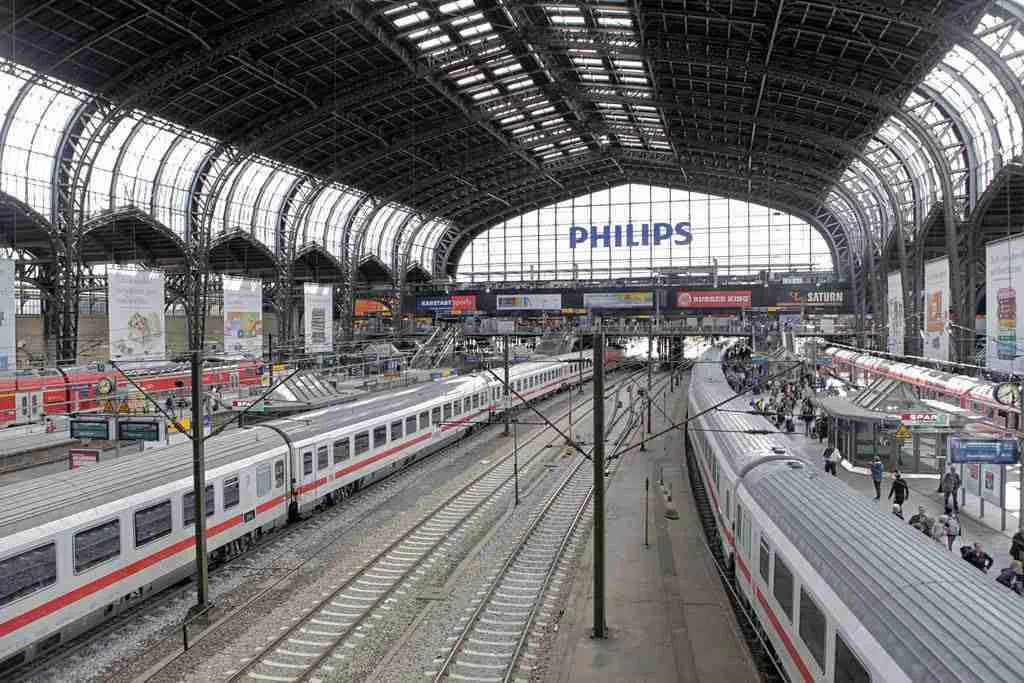
Trains Are Great, But Not Always Your Best Option

Source: withoutapath.com

Germany’s rail system has a strong reputation, and for good reason. It is extensive, relatively efficient, and connects almost everything. But it is not flawless.

Delays happen more often than you might expect. Connections can get tight. And if you rely on trains for every move, your trip becomes dependent on their schedule.

Here is a quick comparison to keep things realistic:

Option Best For Limitation
Trains Long distances, major cities Delays, crowded routes
Regional Bus Smaller towns, flexibility Slower, fewer connections
Car Rental Rural areas, scenic routes Parking, driving rules

A mix of options usually works best. Use trains for major routes, but do not hesitate to rent a car for a day or two. Especially if you want to explore vineyards, lakes, or smaller villages that trains barely touch.

German Food Is Better Than You Think

A lot of travelers expect heavy meals and sausages on repeat. That stereotype misses what modern German food actually looks like.

Yes, traditional dishes are still everywhere. But cities like Berlin, Hamburg, and Munich have evolved far beyond that.

Here is what you should actually look for:

  • Regional specialties instead of generic menus
  • Weekly markets for fresh, simple meals
  • Bakeries in the morning, not just for pastries

Important: Lunch is often the best value meal of the day in Germany. Many restaurants offer “Mittagstisch” with high-quality food at lower prices.

Also, do not underestimate supermarket food. Chains like REWE and Edeka often have surprisingly good ready-to-eat options. It is not glamorous, but it is practical and affordable.

Berlin Is Not Germany

This one confuses a lot of first-time visitors.

Berlin feels international, experimental, and slightly chaotic. It is an incredible city, but it is not representative of Germany as a whole.

If you base your entire impression on Berlin, you miss key aspects of the country:

  • Structure and order in smaller cities
  • Strong regional identities
  • Different attitudes toward work and leisure

Munich, for example, feels more traditional and organized. Hamburg has a maritime, reserved energy. Smaller towns can feel almost quiet to the point of surprise.

Germany has over 2,000 castles. Many of them are far less crowded and more interesting than the famous ones.

The takeaway is simple. Treat Berlin as one version of Germany, not the definition of it.

Rules Matter, But Not in the Way You Think

Germany is known for rules, and yes, they exist. But they are not there to control you. They are there to create predictability.

Once you understand that, things start to make sense.

For example:

  • Crossing the street on red lights is frowned upon, even if no cars are coming
  • Quiet hours are taken seriously, especially in residential areas
  • Recycling is structured and expected

This might feel strict at first. But it actually reduces friction in daily life. People trust the system because everyone follows it.

What matters is not memorizing every rule, but understanding the mindset behind them. Respect shared spaces, and you will rarely run into problems.

You Do Not Need a Perfect Itinerary

There is a temptation to plan every hour of your trip. It feels safe. But it also removes spontaneity.

Germany is one of those places where small, unplanned moments often become the highlights. Sitting by a river with a beer, stumbling into a local festival, or just walking through a quiet neighborhood.

Instead of overplanning, try this approach:

  • Plan your base locations
  • Leave half your days flexible
  • Follow local recommendations once you arrive

This creates a balance between structure and freedom. Enough direction to avoid stress, but enough space for discovery.

The Real Germany Is in the In-Between Moments

Source: mandstravelmoney.com

If you take anything from this guide, let it be this.

Germany is not just its landmarks. It is how people move through their day. How they interact in public. How systems quietly function in the background.

You will notice it in small things. Trains running late but still organized. Parks that feel lived in, not staged. Conversations that are direct but not rude.

That is where the depth of travel comes from.

So break the rules a little. Skip a famous attraction if it feels forced. Stay longer in a place that feels right. Talk to people, even if it feels slightly uncomfortable at first.

You will come away with something much better than a checklist. You will understand the place, even if just a little. And that is what makes a trip actually stick.

18650 vs AA Battery: Size Differences And Where Each Fits Best

Source: impress-energy.com

Have you ever grabbed a battery, popped it into a device, and then realized it either did not fit or did not have enough power for what you needed?

Batteries look simple, but behind their shape and size sits a careful balance of voltage, capacity, chemistry, and intended use.

That is exactly why comparing an 18650 vs AA battery is not just a matter of “big vs small.”

It is really about understanding what each battery is designed to do and where it performs best in real life.

When you see these differences clearly, choosing the right one stops being confusing and becomes surprisingly logical.

What 18650 And AA Batteries Actually Are

Source: nuranu.com

Before comparing performance, it helps to know what each one truly represents.

The term “AA” refers to a standard size that has powered flashlights, remotes, toys, clocks, wireless peripherals, and small home devices for decades.

AA batteries come in alkaline disposable versions, as well as rechargeable NiMH variants.

The 18650, on the other hand, is a rechargeable lithium-ion cylindrical cell commonly used in high-drain electronics, tools, laptops, power banks, e-bikes, and professional flashlights.

It is respected for its strong energy density and higher working voltage.

Both battery types serve everyday life, but they clearly belong to different performance categories and device expectations.

Size Differences Explained

Here is where the first major difference shows up very clearly. The 18650 is physically larger, which allows it to store significantly more energy inside.

AA batteries are much smaller, which makes them ideal for compact consumer devices that do not require massive current draw. The table below helps visualize it a bit better.

Battery Type Approx Size Typical Voltage Common Use
AA 14 x 50 mm 1.2V (NiMH) or 1.5V (alkaline) Household devices
18650 18 x 65 mm 3.6 to 3.7V High-drain electronics

Under that simple size difference lies a design philosophy. AA focuses on versatility and availability. The 18650 prioritizes power and endurance.

Voltage And Power Delivery

Source: topbullshop.com

The next difference is voltage. A standard AA alkaline battery delivers around 1.5 volts, while rechargeable NiMH AA versions work around 1.2 volts.

The 18650 battery typically operates at about 3.6 to 3.7 volts, which means far more energy per cell.

This higher voltage is why many demanding devices prefer lithium cells. Interestingly, there is also a middle-ground form factor worth mentioning: the li-ion cylindrical cell 14500 750mah 3.7v.

It is physically similar to AA in size, but uses lithium chemistry and 3.7V output, so it is powerful without being physically large like the 18650.

This kind of variety shows how differently voltage and size combinations can be engineered for specific device needs.

Capacity And Runtime In Real Use

Capacity decides how long a battery actually lasts.

A typical AA NiMH rechargeable battery usually provides around 1800 to 2700 mAh, while most alkaline AA cells are not measured in the same straightforward way but generally deliver less effective long-term power for high-drain devices.

The 18650 battery commonly ranges between 2600 and 3500 mAh, and better quality versions can sustain high current draw without dropping performance sharply.

That is why power tools, advanced flashlights, and demanding electronics rely on them.

They simply keep energy delivery more stable for longer periods, while AA batteries shine more in low to moderate drain situations.

Where Each Battery Fits Best

Choosing between an 18650 vs AA battery becomes easier when you think about real usage rather than numbers alone.

AA Batteries work best when:
• Devices are simple, small, and energy demands are modest
• You value affordability and easy availability
• You might not always recharge batteries

18650 Batteries work best when:
• Devices require serious continuous power
• You need performance stability rather than just “it turns on”
• You prefer rechargeable, long-cycle solutions for demanding tech

Once needs are clear, the correct choice usually becomes obvious.

Safety, Handling, And Practical Care

Source: nuranu.com

Both battery types are safe when used correctly, but lithium cells deserve a bit more respect because of their chemistry.

Quality matters a lot. Reputable brands, proper chargers, and avoiding extreme heat are essential habits.

Do not mix old and new cells, avoid damaged casings, and never charge with unreliable equipment.

Important Note: Lithium batteries should always be charged using chargers designed specifically for lithium chemistry. This maintains stability, reduces overheating risk, and extends lifespan significantly.

Good handling is not difficult, it is simply about being mindful.

Cost, Availability, And Everyday Convenience

AA batteries win when it comes to instant availability and budget friendliness. You can find them anywhere, from supermarkets to gas stations, which is perfect for everyday household devices. Rechargeable AA options also provide a cost-effective long-term approach.

The 18650 battery is usually more expensive up front, but it pays off in performance and lifespan, especially in high-drain devices. It is widely available online and through electronics suppliers, though not always at every corner store.

So affordability versus power density is a very real trade-off users consciously make.

Rechargeability And Environmental Perspective

Rechargeable batteries reduce waste, save money over time, and support more sustainable usage.

AA rechargeable NiMH batteries are fantastic for households because they reduce the constant buying and throwing away of alkalines.

The 18650 battery, being inherently rechargeable, fits perfectly into today’s technology culture that values long-term usage and reduced replacement frequency.

What matters most is pairing the right rechargeable system with the right device.

When batteries are able to be reused responsibly, both convenience and environmental impact improve significantly.

How To Decide Which One You Actually Need

Source: nytimes.com

The best way to decide is to ask a simple question: “What does this device expect from its power source?”

If it needs long runtime, strong voltage stability, and the ability to handle demanding loads, the 18650 battery is usually the right answer.

If it is a household item, a small gadget, or something casual, AA batteries are wonderfully reliable.

Think about availability, charging habits, and how long you expect the battery to serve. Clarity comes once usage, practicality, and expectations line up.

Final Thoughts

Comparing an 18650 vs AA battery is not about declaring a winner. It is about understanding that battery design follows purpose.

The AA battery represents simplicity, everyday reliability, and universal convenience.

The 18650 battery represents strength, advanced capability, and endurance.

When you choose based on what a device really needs, you get longer life, better performance, and a far smoother experience with your electronics.

FAQs

Can I replace AA batteries with 18650 batteries in the same device?
No. They are different in both size and voltage. Using the wrong type can damage the device or simply not fit physically. Always follow the device manufacturer’s battery instructions.

Are all 18650 batteries rechargeable?
Yes. The 18650 format is inherently designed as a rechargeable lithium-ion cell. However, there are protected and unprotected versions. Protected cells include built-in safety circuitry, which many consumers prefer.

Do rechargeable AA batteries perform better than disposable ones?
In many moderate-drain devices, rechargeable AA NiMH batteries offer more consistent power delivery compared to alkalines, which tend to drop voltage as they discharge. They are also more cost effective over time.

Is the 14500 battery the same as AA?
Size is similar, but performance is not. A 14500 is a lithium-ion battery that usually outputs about 3.7 volts. Many devices built for AA batteries are not designed for that voltage, so compatibility must always be checked.

Top Vacation Spots To Visit In January 2026

Source: frommers.com

Have you ever noticed that January feels like a global reset button? According to multiple travel trend studies, millions of people choose the first month of the year to refresh their minds with new destinations, warmer weather, snowy adventures, and cultural escapes.

If you are thinking about where to travel in January 2026, this curated listicle brings friendly guidance, helpful details, and inspiration to kickstart your travel dreams.

Let’s explore places where the world feels calmer, the scenery feels richer, and the experiences linger long after you return home.

Table: Best Places To Visit In January 2026

Destination Experience Type Weather Highlight Who It’s Best For
Iceland Northern Lights and winter magic Cold, snowy, dreamy skies Adventure lovers
Dubai Luxury + sunshine Warm + sunny Luxury travelers
Kyoto Culture and serenity Cool and pleasant Culture seekers
Maldives Tropical paradise Warm and clear waters Couples
New Zealand Summer adventures Warm and outdoor perfect Nature lovers
Mexico City Urban + history Mild and lively Explorers
Thailand (Phuket) Beaches + nightlife Warm Relaxation seekers
South Africa (Cape Town) Scenic and coastal Warm summer Photographers
India (Goa) Beaches and festivals Pleasant tropical Backpackers
Finland (Lapland) Snow dreams Arctic beauty Families and magic seekers

1. Iceland

If January 2026 feels like the perfect time to chase something magical, Iceland delivers dreamlike beauty with frozen waterfalls, black sand beaches dusted with snow, and the Northern Lights coloring the sky. You can soak in geothermal spas, drive scenic routes, and enjoy cozy evenings in small charming towns.

Early planning is helpful since winter tourism is popular. Another interesting aspect of January trips here is the sense of peaceful isolation.

Iceland gives that rare feeling where the world slows down, letting you breathe, reflect, and appreciate nature at its most dramatic.

2. Dubai

Luxury, warmth, futuristic skylines, and endless entertainment await in Dubai. January is ideal with comfortable sunshine, perfect for visiting beaches, shopping festivals, desert safaris, and soaring observation decks.

Whether you enjoy culinary adventures or glamorous nightlife, Dubai treats visitors to a polished experience with incredible hospitality. Around the same period many travelers also explore European connections and leisure trends, often discovering new lifestyle options and experiences.

While planning a wider urban escape in the UK, some visitors browsing nightlife and social experiences even stumble upon services like Leeds escorts, which are frequently discussed in travel culture conversations. Dubai itself remains the shining jewel of January travel with unforgettable luxury.

3. Kyoto, Japan

Kyoto in January 2026 feels peaceful, spiritual, and deeply cultural. Instead of crowded cherry blossom months, winter offers quiet temples, traditional tea houses, serene gardens, and light winter festivals. Streets feel cinematic. The weather is cool, ideal for walking tours, cultural workshops, and photography.

Why January Works Beautifully

  • Fewer crowds for authentic cultural immersion
  • Seasonal Japanese cuisine feels comforting
  • Unique festivals add color to winter travel

Travelers often describe Kyoto as a calming emotional reset, and January might be the best time to feel it.

4. Maldives

The Maldives is practically made for January. Picture crystal clear waters, soft beaches, luxury villas floating over turquoise lagoons, and absolute relaxation. Snorkeling and diving conditions are excellent, sunsets look unreal, and every moment feels cinematic. Whether honeymooning or simply escaping winter, this paradise offers privacy, warmth, and postcard beauty.

Important travel note ─ January falls in the Maldives dry season, which typically brings calmer seas and clearer skies, ideal for water activities and photography.

This is where relaxation becomes an art form.

5. New Zealand

January in New Zealand equals bright summer days, lush landscapes, and outdoor adventure. You can hike breathtaking trails, drive scenic coastal routes, explore vineyards, try adrenaline sports, or simply relax among rolling hills. Nature feels alive and inviting. The country balances adventure with peaceful beauty, making it a perfect January 2026 travel idea.

Did You Know?

New Zealand consistently ranks among the world’s happiest and most livable destinations, making it emotionally uplifting as well as visually stunning.

6. Mexico City

Vibrant streets, incredible food, deep history, and colorful culture define Mexico City in January. The weather is comfortable, museum visits feel inspiring, and plazas buzz with energy. This is a city that blends tradition with modern life beautifully. Whether you love art, street food adventures, or heritage exploration, Mexico City fills your days with variety.

Here’s a tiny snapshot of what makes it special:

Highlight Why It’s Amazing
Street Food Authentic flavor journeys
History Ancient + colonial richness
Culture Music, art, festivals everywhere

It is lively, memorable, and endlessly fascinating.

7. Thailand – Phuket

January is one of the best months to experience Phuket, when dry weather, calm seas, and warm temperatures create ideal conditions for beach life and exploration. The island effortlessly combines relaxation with excitement. Days can be as slow or as active as you want them to be, moving from quiet shorelines to buzzing night markets and lively beach clubs. Phuket also serves as a gateway to some of Thailand’s most iconic destinations, making it perfect for travelers who want variety without constant relocation. The hospitality feels genuine, food is deeply flavorful, and the island rhythm encourages you to unwind while still staying curious.

Top places and experiences to explore:

  • Phi Phi Islands for dramatic cliffs and turquoise waters
  • Patong Beach for nightlife and entertainment
  • Big Buddha Phuket for panoramic island views
  • Phang Nga Bay for iconic limestone formations
  • Old Phuket Town for colorful streets and local markets

Phuket in January feels warm, welcoming, and endlessly rewarding, blending tropical ease with unforgettable cultural and natural highlights.

Some travelers exploring major Indian cities also come across lifestyle discussions and local hospitality experiences such as Kolkata escorts service, often mentioned in social nightlife contexts. Meanwhile, Thailand itself remains a sunny January sanctuary with culture, beauty, and breezy relaxation.

8. Cape Town, South Africa

January is peak summer in Cape Town, and the city truly comes alive with warmth, movement, and light. With long daylight hours and clear skies, every day feels unhurried and full of possibility. Mornings often start with ocean breezes and end with golden sunsets, making January one of the most rewarding times to explore both the city and its surroundings.

The balance between urban culture and natural beauty feels effortless here, which is why so many travelers describe Cape Town as visually stunning yet emotionally grounding. You are never far from mountains, beaches, vineyards, or vibrant neighborhoods, and the rhythm of the city encourages you to explore without rushing.

Why Cape Town shines in January:

  • Warm summer weather ideal for beaches, hiking, and outdoor dining
  • Clear views from Table Mountain, perfect for photography
  • Lively food scene with open air markets and waterfront dining
  • Easy access to Cape Winelands for relaxed vineyard day trips
  • A rare mix of adventure activities and slow, scenic moments

What makes Cape Town special is that even though every corner feels Instagram worthy, the experience itself feels deeper, richer, and more immersive than any photo could capture.

9. Goa, India

Goa in January 2026 is colorful, relaxed, warm, and welcoming. You get beach days, festive nightlife, flea markets, heritage neighborhoods, and amazing food. The atmosphere feels joyful yet chilled. January weather is comfortable, ideal for both relaxation and exploration. Backpackers, solo travelers, couples, and groups all find something to love here. Goa has this magical ability to slow you down while still keeping you entertained, which is why it remains a beloved January escape.

10. Finnish Lapland

If you want fairy tale winter in January, Lapland feels unreal. Think snowy forests, reindeer rides, glass igloos under auroras, ice hotels, and cozy fireplaces. Families love the winter wonderland charm and the sense of adventure wrapped in warmth. It is peaceful, beautiful, and wonderfully magical. Many travelers call Lapland the place where childhood imagination meets real world wonder, and January is when that magic sparkles brightest.

Final Thoughts

January 2026 does not have to feel like another cold month on the calendar. It can be the moment you choose sunshine, snow magic, new cultures, beautiful scenery, and refreshing energy. From snowy Iceland nights to Maldives waters, from Dubai luxury to New Zealand freedom, the world feels wide open in January. Whichever destination calls you, pack curiosity, plan ahead, and let your first adventure of the year set a brighter tone for everything that follows.

Best Knitwear Outfits For Women For Cozy Winter Days

Source: knitfactory.com

Winter always tests your closet. You reach for warmth, comfort, and reliability, but you also want a look that feels pulled together. Knitwear steps in as the steady piece that makes cold weather easier to live with.

A well-built sweater, a textured knit skirt, or a soft cardigan carries you from early morning errands to late afternoon slumps without fuss. The goal is simple. Create outfits that feel beautiful and effortless while keeping you warm when temperatures drop.

Below is a full guide built around real outfits that work. Each one leans on texture, weight, fabric quality, and smart layering rather than trends that age too fast. Think of it as a lineup of combinations that always feel right on a cold day.

Chunky Sweaters That Anchor Your Winter Style

Source: balancephysioclinic.ie

A chunky sweater sits at the center of many winter outfits for a reason. It adds presence without requiring heavy styling. You put it on, and the outfit feels complete.

For a subtle touch of elegance amid heavy knits, you could wear a guld klocka dam on your wrist to soften a chunky sweater and jeans combo.

Pairing a Chunky Knit With Slim Denim

Many women fall back on slim denim during winter because the shape balances the volume of a heavier sweater. Pick a crewneck or a half-zip knit with ribbing around the cuffs. Aim for yarn that feels structured enough to hold shape through the day.

Strong combinations include:

  • Ivory chunky sweater with mid-wash straight denim
  • Charcoal ribbed half-zip with black coated jeans
  • Oatmeal fisherman knit with dark blue cigarette jeans

A boot with a narrow shaft keeps the line clean. A Chelsea boot works well, and so does a lightly slouched suede boot.

Layering a Chunky Sweater Over a Dress

Source: serenaajoyce.com

Sweaters over dresses add warmth without losing movement. The trick is choosing a knit with enough weight so it sits correctly around the waist.

Good matches include:

  • A navy cable knit over a satin midi
  • A cream roll-neck over a printed crepe dress
  • A moss green sweater over a ribbed knit tank dress

If the dress has volume, give yourself some structure with a belt over the sweater. It shapes the silhouette, and you can keep the palette neutral to avoid visual noise.

Cardigans That Work Hard All Season

Cardigans became winter staples again because they offer that warm, relaxed layer you can adjust on the fly. Open when the room heats up. Buttoned when the cold surprises you.

Longline Cardigans for Everyday Errands

Longline Cardigans for Everyday Errands
Source: whiteandco.com.au

A longline cardigan lands in the sweet spot between casual and polished. It covers well, adds texture, and works with simple pieces already in your wardrobe.

Reliable combinations:

  • Longline ribbed cardigan with a white cotton tee and black leggings
  • Soft camel cardigan with a fitted turtleneck and dark denim
  • Waffle knit cardigan with a column skirt and ankle boots

Stick to heavier knits for longline silhouettes. Lightweight options collapse and lose shape by midday.

Cropped Cardigans for Clean Silhouettes

Cropped cardigans frame the waist and sit neatly over dresses, jumpsuits, and high-rise trousers.

Try pairings like:

  • Cropped cardigan over a slip skirt with knee-high boots
  • Buttoned cardigan as a stand-alone top with tailored trousers
  • Soft pastel cardigan with a crisp white shirt tucked underneath

A cropped knit works best with thicker yarns that maintain structure. It should skim the body without pulling.

Turtlenecks That Build Warm, Sharp Outfits

Source: whowhatwear.com

A turtleneck gives winter outfits a clean, uninterrupted line. It shapes the upper body in a way that feels smart but never fussy.

Fitted Turtlenecks for Layering

A fitted turtleneck is the quiet hero of winter layering. The right one feels soft, with enough stretch to move comfortably.

Use them under:

  • Blazers in textured wool
  • Slip dresses made for colder weather
  • Chunky sweaters that need a soft layer beneath

Neutral tones give you the most flexibility. Black, charcoal, coffee, and cream all carry weight in winter.

Relaxed Turtlenecks for Statement Looks

Relaxed silhouettes create a soft drape that works beautifully with wide trousers or midi skirts.

Examples include:

  • Oversized cashmere turtleneck with wool trousers
  • Ribbed turtleneck with a silky pleated skirt
  • Marled knit turtleneck with cropped wide-leg jeans

Let the neckline stand tall for warmth. Resist folding it too tightly so the shape stays soft.

Knit Dresses That Bring Warmth and Ease

Source: motherknitter.com

A knit dress solves cold-weather outfit planning in one step. Wear it, add boots, grab a coat, and you are done. Good knit dresses are thick enough to smooth lines and keep heat close to the body.

Ribbed Knit Dresses for Clean Outlines

Ribbing adds structure and depth. It highlights shape without clinging aggressively.

Try:

  • A black ribbed midi with lug-sole boots
  • A chocolate brown dress with a wrap coat
  • A heather grey ribbed dress with polished loafers

You can add a thin belt if you want definition around the waist. Keep accessories minimal, maybe a soft scarf or a simple chain.

Sweater Dresses for Maximum Comfort

Sweater dresses feel like wearing your favorite knit in full length. They produce a cozy silhouette that works for long days where comfort matters.

Good pairings include:

  • Slouchy sweater dress with tall suede boots
  • Funnel neck sweater dress with warm tights and structured ankle boots
  • Belted sweater dress with a wool coat in a tone that blends without competing

Aim for natural fibers or blends that breathe well. Synthetic-heavy knits trap heat in a way that can feel uncomfortable indoors.

Knit Skirts That Add Movement

Source: prettylavish.co.uk

Knit skirts carry movement better than you might expect. The fabric drapes, shifts, and falls in a way that feels elegant even with simple tops.

Midi Knit Skirts for Everyday Wear

A midi knit skirt moves well with flat boots, tall boots, or simple sneakers.

Consistent combinations include:

  • Black ribbed midi skirt with a fitted turtleneck
  • Camel knit skirt with a chunky ivory sweater
  • Chocolate knit skirt with a soft henley knit top

Keep the waistband comfortable. A fold-over style is ideal because it sits well throughout the day.

Matching Knit Sets for a Polished Look

A matching set removes all guesswork. The top and bottom share color, texture, and proportion, which helps you look put-together with very little effort.

Common sets include:

  • Cropped cardigan with a ribbed midi
  • Half-zip sweater with a straight knit skirt
  • Crewneck sweater with an A-line knit skirt

You can break sets apart for more variety later in the season.

Layering Techniques That Keep You Warm

Winter layering with knitwear only works when you think about weight, proportion, and fabric behavior. Light layers go closest to the skin. Heavier pieces sit on top.

Base Layer Choices

Your base layer decides how comfortable you feel in cold air. Look for soft blends with stretch that hold heat.

Good options:

  • Lightweight turtlenecks
  • Thin ribbed long-sleeve tops
  • Thermal tops that stay invisible under sweaters

Avoid bulky inner layers. They push against the outer knit and distort the shape.

Mid Layer Structure

Mid layers bring the outfit together by adding texture or bulk in the right places.

Examples:

  • Cardigan over a fitted turtleneck
  • Crewneck sweater over a silky tank dress
  • Knit vest under a wool coat

If you want more shape, look for ribbed pieces. Ribbing creates visual structure even in softer fabrics.

Outer Layers That Complement Knits

Coats should accommodate knitwear without squeezing it. Aim for clean lines and enough room in the shoulders.

Reliable coats:

  • Oversized wool coats
  • Wrap coats with a soft tie
  • Puffer coats that stop at mid-thigh

A knit scarf adds warmth without overpowering the outfit. Keep colors coordinated, not matching exactly.

Materials That Matter For Winter Knitwear

The right material choice affects warmth, durability, and comfort. Not all knits behave the same.

Here is a simple table to help:

Material Warmth Level Best Uses Notes
Wool High Sweaters, dresses, cardigans Holds heat well and resists wrinkles
Cashmere High Turtlenecks, cardigans, relaxed knits Soft and lightweight with strong insulation
Cotton blends Medium Lighter sweaters, indoor wear Breathable and comfortable for long days
Alpaca High Chunky knits, scarves Warm and fluffy with light weight
Acrylic blends Medium Budget knits, bold textures Keeps shape but less breathable

Pick fabrics based on climate. Wool and alpaca handle colder regions well. Cotton blends are ideal for milder winters.

Accessories That Complete Knitwear Outfits

Source: instyle.com

Accessories help knitwear express your winter style without crowding the look.

Scarves That Work With Knitwear

A ribbed scarf pairs well with ribbed sweaters. A brushed wool scarf softens a fitted turtleneck. Keep the palette simple so your outfit stays calm.

Beanies and Berets

A knit beanie sits tightly and keeps heat in. A beret adds shape when you want something lighter. Match textures, not colors.

Bags With Winter-Proof Textures

Winter outfits pair naturally with:

  • Leather crossbody bags
  • Suede totes
  • Wool-blend handbags

Avoid slouchy bags with oversized knits. They collapse into the fabric and lose form.

Footwear That Grounds Knit Outfits

Boots are the main anchor for knitwear outfits. Sneakers work well too, but boots carry more weight visually.

  • Chelsea boots for everyday wear
  • Tall leather boots for dresses and skirts
  • Lug sole boots for icy pavement
  • Clean white sneakers for casual knit sets

Pick shoes that balance the proportions of your knit pieces.

Building a Small Winter Capsule Around Knitwear

If you want a simple winter wardrobe built around knits, start with a capsule.

Recommended core pieces:

  • One chunky neutral sweater
  • One fitted turtleneck
  • One cardigan in a midweight knit
  • One ribbed knit dress
  • One knit skirt in a length you prefer
  • One matching set for easy outfits

Add supportive pieces like wool coats, leather boots, and a soft scarf. Everything should mix without forcing it.

Final Thoughts

Knitwear shapes your winter wardrobe without taking over your closet. A few well-chosen pieces keep you warm, add texture, and create outfits that feel calm and wearable on cold days.

Focus on fabric, proportion, and small styling choices. The season will feel softer, and your outfits will carry you through long winter stretches with ease.

Why Understanding Workplace Risks Builds A More Reliable Business Culture

Understanding Workplace Risks
Source: ecoonline.com

A reliable business culture is not built on slogans, posters, or well-worded values. It is built on how consistently people act when nobody is watching. The most direct way to influence those everyday decisions is by helping everyone, from managers to frontline staff, clearly recognize the risks built into their work.

The concrete answer is simple: when employees understand exactly what threats exist in their environment, how those threats develop, and why small lapses lead to large incidents, they make safer decisions, work with more confidence, and support a culture where reliability becomes the norm rather than the exception.

Risk awareness is not an abstract exercise. It shapes morale, productivity, the quality of communication, and even the stability of long-term operations. When people feel informed and supported, they pay more attention to detail, share concerns earlier, and collaborate more openly.

How Risk Awareness Shapes Everyday Behavior

Risk Awareness
Source: reworqconsulting.com.au

Most organizations underestimate how much daily behavior is influenced by the level of understanding employees have about their own environments. When workers clearly grasp the real-world consequences of equipment misuse, poorly communicated instructions, cluttered pathways, or ignored reporting routines, they naturally act with more caution and intention.

Reliable cultures emerge when risk understanding leads to predictable actions. People stop relying on luck and begin relying on routine. They notice unusual sounds from machines earlier. They question unclear orders. They double-check protective equipment. None of that comes from fear. It comes from awareness.

When employees internalize risk, the overall stability of the workplace strengthens. Incidents decrease, response times improve, and teams develop stronger peer accountability, where everyone feels responsible for both personal safety and the safety of others.

Why Modern Workplaces Require Higher Risk Awareness

Workspaces have become more complex. Roles that were once predictable now involve multitasking, mixed digital and physical demands, and often greater pressure to maintain speed. With that increase in complexity comes an increase in invisible risks.

Automation, new machinery, remote collaboration, stricter regulatory expectations, and faster production cycles all create situations where small misunderstandings can lead to major operational setbacks. That is why companies that invest in structured risk training outperform those that simply rely on experience or intuition.

A reliable culture is impossible without clarity. Risk clarity removes assumptions, reduces communication gaps, and prevents the steady buildup of unsafe habits.

The Direct Link Between Risk Knowledge and Reliability

Source: petroknowledge.com

Understanding workplace risks directly contributes to reliability in three interconnected ways: improved decision-making, stronger communication, and more stable operations.

1. Improved Decision-Making

When workers know how hazards behave, they react faster and more effectively. They are less likely to delay reporting something unusual, and they take preventive action before problems escalate.

2. Stronger Communication

Risk awareness encourages open dialogue. Instead of hiding mistakes or concerns, employees feel confident raising them because they understand the purpose behind the process. Teams discuss solutions earlier, reducing surprise incidents.

3. More Stable Operations

A workplace that understands risks avoids sudden production stops, equipment failures, and emergencies. Stability becomes part of the everyday workflow.

Table: How Risk Awareness Improves Workplace Reliability

Risk Awareness Improves Workplace Reliability
Source: alertmedia.com
Area of Impact Effect on Daily Work Long-Term Benefit
Decision-Making Faster, more thoughtful actions Fewer incidents and errors
Communication More open discussions about problems Stronger internal trust
Productivity Fewer disruptions in the workflow Stable output and consistent quality
Employee Wellbeing Less stress and uncertainty Higher morale and lower turnover
Operational Stability Predictable routines Better long-term planning

How Risk Awareness Strengthens Trust Across Teams

Trust is often treated as an abstract cultural goal, but in reality, it is built through small, repeated moments where employees feel confident in their environment and in each other. When everyone shares a common understanding of risk, collaboration becomes easier because there is no hidden uncertainty.

Workers know what is expected, know what behaviors keep everyone safe, and know that the company invests in their well-being. That creates an atmosphere where people support each other instead of working in isolated pockets.

The moment risk knowledge becomes collective, reliability turns into a shared responsibility rather than management’s burden.

Practical Risk Literacy: Turning Knowledge Into Habits

Risk literacy means employees do not just know that dangers exist, but also how to respond. This requires training, repetition, clear tools, and routines.

Key elements of practical risk literacy include:

  • Recognizing early warning signs
  • Knowing when and how to pause work
  • Understanding protective equipment
  • Reporting hazards without hesitation
  • Following structured investigation procedures

The more familiar employees become with these elements, the more naturally they use them. Effective organizations do not force compliance; they build routines that make thoughtful behavior automatic.

Table: Core Components of a Reliable Workplace Culture

Component Description Cultural Effect
Clear Procedures Simple, easy-to-follow steps Less confusion and fewer mistakes
Regular Training Frequent learning sessions Strong habit formation
Open Reporting Channels Anonymous or non-punitive systems Employees speak up earlier
Leadership Modeling Managers demonstrating safe behavior Higher credibility and consistency
Continuous Review Regular evaluation of risks Culture stays updated and relevant

Leadership’s Role in Building a Risk-Aware, Reliable Culture

Leadership’s Role in Building a Risk-Aware
Source: aryaxai.com

Leaders shape culture not through formal authority, but through the behaviors they display every day. When leaders take risk awareness seriously, employees do too. When leaders ignore procedures, workers will follow that example.

Effective leaders do three things consistently:

  1. Talk openly about risk, not only after incidents but during normal operations.
  2. Participate in training to show that learning is not only for frontline staff.
  3. Respond to concerns quickly, reinforcing that speaking up is welcome.

Reliable cultures are built when leadership treats risk understanding as part of performance, quality, and professionalism rather than a bureaucratic obligation.

Why Structured Training Is the Foundation of Reliability

Companies often assume risk awareness grows naturally with experience, but that is rarely true. Experience can sometimes make people complacent. That is why structured programs, including Sweden’s well-known Bamutbildning, play a crucial role. They break down the psychology behind risk, teach employees how to analyze hazards, and help teams develop unified methods for identifying, documenting, and managing unsafe conditions.

Such training strengthens reliability by creating shared knowledge, shared language, and shared routines. When everyone evaluates risk the same way, misunderstandings drop sharply, and operational control becomes stronger.

Workplace Risks Are Not Just About Safety

Workplace Risks Are Not Just About Safety
Source: linkedin.com

Many companies make the mistake of treating risk management purely as an issue of preventing physical injury. In reality, risks affect:

  • Productivity
  • Customer satisfaction
  • Equipment lifespan
  • Employee stress levels
  • Communication clarity
  • Team morale

When employees understand these broader consequences, they become more consistent in their work. They take better care of tools, clean their workspaces more carefully, check instructions twice, and collaborate more actively.

Risk awareness creates order, and order creates reliability.

How Companies Can Integrate Risk Awareness Into Culture

A reliable culture does not emerge overnight. It develops through consistent, repetitive practices that reinforce the idea that safe, thoughtful behavior is normal.

Steps companies can take include:

  • Holding short, frequent micro-training
  • Reviewing incidents openly without blame
  • Rotating employees in risk identification exercises
  • Using visual maps of risk points around the workspace
  • Encouraging cross-team discussions
  • Updating procedures based on employee feedback

When employees participate in shaping the risk environment, accountability increases naturally.

Final Thoughts

A business culture becomes reliable when employees are equipped with real risk knowledge, supported with training, and encouraged to act with awareness. Reliability is not a slogan; it is a pattern of behavior shaped by clear understanding and shared responsibility.

When teams recognize the true nature of workplace risks, they make better decisions, support each other more consistently, and contribute to a stable environment where work runs smoothly.

Grandmother sharing a meal with children, illustrating how celiac disease can affect relatives across generations.

Does Celiac Disease Run in Families? What Relatives Should Know

0
Celiac disease has a genetic component, but an affected parent or sibling does not mean you will develop it. Learn who should consider screening, what genetic tests can and cannot tell you, and why you should keep eating gluten until medical testing is complete.