Home Blog Page 3

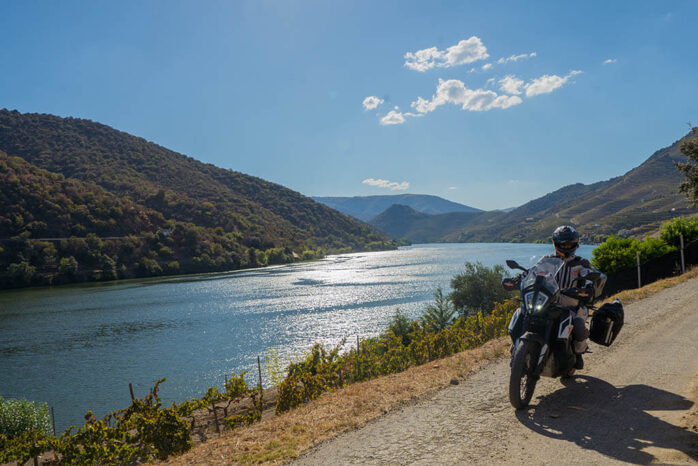
8 Best Destinations for an Unforgettable Motorcycle Journey

Source: madornomad.com

Riding a motorcycle offers a sense of freedom that few experiences can match, bringing you closer to open air, shifting terrain, and every subtle change in your surroundings.

Choosing the right route can elevate every mile, giving riders a more immersive connection to the world ahead.

All destinations on this list draw inspiration from respected rider communities and trusted travel sources, creating a reliable starting point for your next adventure.

1. Kenya and Tanzania, East Africa

East Africa adds a very different character to a motorcycle journey. Kenya has open roads across the Great Rift Valley, highland routes near Mount Kenya, and long stretches between Nairobi and the south of the country.

A route toward the Tanzanian border can also place riders close to Amboseli and Mount Kilimanjaro. Travelers who want a break from the motorcycle can add a kenya safari with visits to major wildlife areas such as the Masai Mara, Amboseli, Lake Nakuru, or the Serengeti in Tanzania.

Key stops to consider include:

  • Great Rift Valley for wide views and long road sections
  • Amboseli for wildlife and views of Mount Kilimanjaro
  • Masai Mara for one of Kenya’s best-known safari areas
  • Arusha as a useful base for routes into northern Tanzania

Kenya and Tanzania suit travelers who want road adventure plus several days of wildlife exploration during the same trip.

2. Pacific Coast Highway, USA (California)

Riders along California’s coast encounter a mix of ocean spray, high cliffs, and massive redwoods that create one of the most admired coastal rides in North America.

Longer days on the PCH feel smooth and unhurried, especially for cruiser fans who enjoy wide curves and gentle elevation shifts.

Big Sur, Carmel, and Morro Bay provide an atmosphere filled with color, sea fog, and dramatic rock formations that keep the ride engaging.

A breakdown of key highlights can help riders plan their ideal section:

  • Big Sur viewpoints ideal for sunrise stops
  • Carmel’s peaceful coastal roads perfect for slow cruising
  • Morro Bay’s waterfront area packed with great food and resting spots

Many riders point to the Monterey to Morro Bay segment as the portion that delivers the strongest visual impact, thanks to its mix of cliffs, beaches, and forest passages.

3. Pyrenees Loop, Spain & France

Mountain passages across the Pyrenees offer a blend of rapid climbs, twisting descents, and calm valleys that reward riders who enjoy variety.

Spain, France, and Andorra provide a continuous change in atmosphere, with each border crossing adding a new cultural influence.

Long days on the N260 bring a balance of demanding turns and relaxed stretches, making the loop appealing for riders who appreciate steady rhythm and technical segments.

Useful additions to a planned route include:

  • Andorra’s mountain roads featuring steep viewpoints
  • Bilbao’s cultural hubs and food spots
  • Salvador Dali’s museum in Figueres offering a memorable artistic break

Anyone preparing europe motorbike tour often keeps this loop on the shortlist because of the mix of culture, altitude changes, and consistently scenic road conditions.

4. Ho Chi Minh Trail, Vietnam & Laos

Dense jungle canopies, historic wartime paths, and rugged highland passes give this trail a sense of raw energy that off-road riders appreciate.

Mud, gravel, and narrow tracks dominate long stretches, creating a route best suited for riders who prefer trail-oriented machines and lighter adventure bikes.

Constant shifts in terrain keep the experience dynamic, especially as the trail winds between remote villages, river crossings, and thick green corridors.

Segments that demand special attention include:

  • Tight jungle paths requiring slower speeds
  • Long gravel runs across exposed ridges
  • Steep climbs near the Laos border that challenge inexperienced riders

A lightweight adventure bike handles these areas smoothly, especially during wet seasons when the trail becomes more unpredictable.

5. Andes Circuit, Chile

Source: ultimatekilimanjaro.com

Patagonia winds and snow-tipped peaks shape a route famous for wide horizons and long uninterrupted stretches of road.

Riders passing across Chile’s south-to-central regions witness steady changes in weather and terrain, creating a feeling of constant progression.

Starting in the south and moving north offers a natural sense of buildup as icy landscapes slowly transition into drier and warmer surroundings.

Key regions often recommended for riders include:

  • Southern Patagonia with strong winds and dramatic mountain silhouettes
  • Central Chile’s more temperate climate offering easier riding days
  • Northern sections where open spaces feel vast and calm

Long-distance enthusiasts often rank this circuit highly because of its blend of long asphalt segments, varied climates, and remote settings.

6. Transfăgărășan Highway, Romania

Source: emerging-europe.com

Hairpin turns, steep drops, and thick mountain forests define one of Europe’s most thrilling elevated roads.

Rapid elevation changes introduce riders to cooler air, shifting weather, and sharp visibility contrasts that heighten the sense of speed.

Carpathian peaks tower above the route, giving riders countless spots to stop and take in the view.

Important points to consider before planning include:

  • Summer openings that offer the safest riding period
  • Winter closures due to heavy snow
  • Tight switchbacks that challenge heavier bikes

Fans of precision riding often describe this highway as a highlight due to its concentration of curves, tunnels, and dramatic vertical movement.

7. Wild Atlantic Way, Ireland

Clifftop sections, quiet harbors, and powerful Atlantic waves shape one of Europe’s longest coastal rides.

More than 2,500 kilometers of roadway provide endless options for shorter daily routes or extended multi-day trips.

Fishing villages and coastal towns offer welcoming stops that break up the ride with local food, warm pubs, and rich maritime character.

Riders planning their approach often organize the route into key segments:

  • Northern headlands with stronger winds and rugged edges
  • Central sections offering calm villages and gentle curves
  • Southern stretches known for warmer weather and smoother roads

Matching each day with a different coastal region helps riders stay energized without rushing through the experience.

8. Swartberg Pass, South Africa

Steep gravel curves, rough switchbacks, and dry mountain surroundings create a bold riding environment that adventure-focused motorcyclists often seek out.

Long shadows across rocky slopes give the route a dramatic tone, especially during early mornings or late afternoons when colors shift rapidly.

Strong winds can roll across the higher points, adding tension that heightens every turn.

Shorter distance sections might suggest a mild ride, yet constant elevation changes bring plenty of challenge.

Riders encounter tight turns, sudden drops, and narrow corridors where the road hugs sharp ridges.

Quick changes in surface texture demand active control, keeping even skilled riders alert.

Important surfaces and sections to note include:

  • Long gravel slopes requiring steady throttle control
  • Sharp cliffside bends calling for lower speeds
  • Desert views that open suddenly as the road rises

Even though the distance is modest, the pass offers a powerful combination of intensity and scenery that keeps riders fully focused.

The Bottom Line

Planning a route that matches your style, whether focused on coastlines, mountains, smooth asphalt, or off-road segments, helps shape a stronger riding experience.

Weather conditions, local rules, and seasonal closures should always guide your timing.

Each destination on this list carries its own flavor, giving riders countless reasons to add it to their personal bucket list.

How to Maintain Healthy and Strong Eyelashes Naturally

Maintain Healthy and Strong Eyelashes Naturally

Healthy eyelashes depend on three consistent habits: gentle daily care, balanced nourishment, and protection from stressors that weaken lash follicles. That is the concrete answer. Most people focus only on mascara or curlers, but the real strength of eyelashes comes from maintaining clean follicles, restoring moisture, avoiding harsh mechanical pressure, and adding nutrients that support natural growth.

When these basics stay in place for a few weeks, lashes appear fuller, softer, and noticeably stronger without complicated routines.

Strong lashes are not just aesthetic. They protect the eyes from dust and help regulate moisture around the eyelid. When they become brittle or thin, it usually signals dryness, irritation, or product buildup on the lash line. A simple shift in routine reverses that trend quickly. Below is a practical, realistic guide focused entirely on what works long term, not shortcuts.

Why Eyelashes Become Weak or Thin

Why Eyelashes Become Weak or Thin
Source: cureus.com

Most lash problems come from habits people never think about. Daily mascara use, waterproof formulas, extensions, aggressive makeup removal, and inadequate cleaning progressively damage the keratin structure of each lash. Over time, lashes shed faster, feel stiff, or break before completing their natural growth cycle.

Other common triggers include:

  • Rubbing the eyes frequently
  • Sleeping with makeup
  • Nutrient deficiencies (biotin, zinc, essential fatty acids)
  • Hormonal shifts
  • Stress or lack of sleep
  • Certain medications

Understanding the cause is the first step in building a sustainable routine.

The Daily Routine That Supports Natural Lash Strength

The simplest routine is often the most effective. Lashes respond well to consistency, moisture, and minimal friction. A balanced combination of cleansing, conditioning, and mild stimulation keeps them in their normal growth rhythm.

1. Keep Your Lash Line Clean

Many people clean their face but skip the lash line. Over time, mascara particles, sebum, and dust settle at the root of the lashes. This clogs follicles, making them inflamed and more likely to shed early.

Use a mild, oil-free cleanser and gently go over the lash line with your fingertips or a cotton pad. Avoid using alcohol or strong makeup removers daily.

2. Condition Your Lashes

Condition Your Lashes

Just like hair, eyelashes need hydration to remain flexible. When they stay moisturized, they bend instead of breaking.

Natural conditioners include:

  • Castor oil
  • Argan oil
  • Vitamin E oil
  • Jojoba oil

Apply a tiny amount with a clean spoolie before bed. This improves softness and reduces breakage within a week or two.

3. Stop Tugging or Pulling

Mechanical stress is one of the fastest ways to weaken lashes. Avoid rubbing your eyes, curling your lashes aggressively, or removing mascara roughly. Small daily adjustments make a big long-term difference.

Table: Common Lash Problems and Their Natural Fixes

Problem Likely Cause Natural Fix
Brittle lashes Dehydration, heavy makeup Use nightly natural oils, and avoid waterproof mascara
Falling out quickly Inflammation or clogged follicles Clean lash line daily, switch to gentle cleansers
Sparse growth Nutrient gaps or stress Add omega fatty acids, biotin, and manage sleep
Dull look Lack of moisture Restore moisture with vitamin E or castor oil

Nutrition Matters More Than Most People Realize

Lash follicles behave like mini hair follicles, meaning they depend on nutrients for strong keratin production. When the body is low on specific vitamins or minerals, lashes are often one of the first areas to show weakness.

Nutrients that support lash strength:

  • Biotin for keratin production
  • Omega-3 fatty acids for follicle hydration
  • Zinc for cellular repair
  • Vitamin C for collagen support
  • Protein, since lashes are made of keratin

You do not need supplements unless medically advised. A balanced diet with eggs, salmon, nuts, avocado, leafy greens, berries, and legumes is enough for noticeable improvement in lash quality.

The Middle Concrete Answer: The Easiest Way to Improve Lash Strength

If you want the fastest natural improvement with the least effort, the most effective combination is cleansing the lash line nightly, moisturizing with a light oil, and using a targeted enhancer such as an eyelash growth serum that supports the follicles directly. This routine addresses the root causes: dehydration, clogged follicles, and weak keratin structure. Most people see visible improvement after consistent use for a few weeks.

Smart Makeup Habits That Protect Lashes

You do not need to stop using makeup, but choosing gentler habits protects your lash line.

  • Use water-based mascaras on normal days.
  • Save waterproof formulas for special occasions.
  • Replace mascara every three months to avoid bacterial buildup.
  • Remove makeup with gentle oil-based cleansers using slow, light motions.

A surprising tip: let mascara dry fully before curling, or skip curling after applying mascara altogether. Curlers can snap lashes when the mascara stiffens the hair.

Natural Oils and Home Methods That Work

The simplest home solutions often outperform expensive routines when applied consistently.

Castor Oil

High in ricinoleic acid, it supports moisture retention. Apply a tiny amount before bed with a clean brush.

Aloe Vera Gel

Aloe Vera for eyelashes

Light, soothing, and packed with hydration. Ideal for people who dislike the heaviness of oils.

Vitamin E

Great for brittle lashes. You can gently brush a small amount along the lash tips.

Green Tea

Cooled green tea works as an antioxidant rinse that reduces irritation and supports the follicle environment.

These methods do not accelerate dramatic growth, but they make lashes resilient and reduce breakage.

How Long Does It Take to See Results

Eyelashes follow a natural cycle that lasts six to eight weeks from growth to shedding. Improvements depend on this cycle. Most people see the first changes in texture and softness after ten to fourteen days, but real thickness and strength usually appear closer to the end of the first lash cycle.

A realistic timeline:

Week Expected Result
Week 1 Softer lashes, less shedding
Week 2 Better flexibility, fewer breaks
Week 4 Healthier lash line, fuller appearance
Week 6–8 Noticeable strength and density

Consistency matters far more than the product itself.

When to Avoid DIY and Seek Professional Advice

A few situations require caution:

  • Persistent lash loss in one eye
  • Sudden thinning after starting a new medication
  • Redness or swelling of the lash line
  • Painful follicles or crusting

These symptoms might indicate blepharitis, allergies, or hormonal issues. A dermatologist or ophthalmologist can diagnose the cause.

Final Thoughts

healthy and strong eyelashes

Maintaining healthy and strong eyelashes naturally comes down to clean follicles, steady hydration, gentle handling, and the right nutrients. No shortcut works without these fundamentals. With a consistent routine and a supportive product included when needed, lashes look fuller, stronger, and far more resilient over time.

If you want the most efficient approach without complexity, stick to a simple nightly routine, limit harsh makeup habits, nourish your body, and treat your lash line with the same care you give your skin or hair.

The Most Common Questions About CBD and Overall Well-Being

CBD and Overall Well-Being

CBD raised a simple question for most new users: Does it actually help with stress, sleep, and daily balance, or is it just another wellness trend?

The short answer is that CBD can support calm, sleep quality, and mood regulation for many people, but results depend on dose, consistency, and product quality.

That sets the foundation for every other question people ask about it.

What exactly is CBD, and how does it work

CBD
CBD

CBD is a natural compound extracted from the hemp plant. It interacts with the body’s endocannabinoid system, a network that helps regulate mood, sleep, inflammation, and the stress response. CBD does not cause a high, does not impair cognition, and functions more like a gentle modulator that supports balance instead of forcing a specific chemical reaction.

Most people start to feel its effects in two ways. Some feel a subtle sense of relaxation within an hour. Others notice the biggest improvements after consistent use for at least one or two weeks. This difference comes from individual metabolism, body weight, daily stress levels, and the form of CBD they take.

Can CBD help with anxiety and day-to-day stress?

For many users, this is the number one question. CBD can lower the intensity of stress signals by influencing serotonin receptors and reducing inflammation in the nervous system. It will not erase stress, but it often helps make stressful situations feel less overwhelming and easier to manage. People usually feel calmer without feeling sleepy or detached.

A key point: CBD works best when taken regularly instead of reacting only when stress appears. This keeps the endocannabinoid system stable and allows CBD to act more predictably.

Does CBD improve sleep?

Source: premierneurologycenter.com

CBD supports better sleep in two ways. It reduces pre-sleep restlessness and supports longer, more stable sleep cycles. CBD does not sedate the nervous system like sleeping pills. Instead, it settles the parts of the brain that keep you alert when you want to relax.

Here is a simple comparison:

Sleep challenge How CBD may help
Difficulty falling asleep Calms the nervous system and racing thoughts
Waking up during the night Supports deeper sleep cycles
Light or shallow sleep Reduces stress signals that interrupt rest

People with heavy insomnia may need more structured treatment, but CBD is effective for those who simply need help relaxing at night.

Can CBD help with inflammation and pain?

CBD may reduce inflammation by lowering cytokine activity, which is often behind joint pain, muscle soreness, and stiffness. It is not a replacement for medical treatment, but many users report less discomfort during exercise recovery or daily movement. Topicals work faster for local pain, while oils and capsules help with overall inflammation throughout the day.

A clear answer in the middle: CBD measurably supports well-being for many people, but the benefits depend on consistent use and choosing a high-quality CBD supplement. Without purity and accurate dosing, the effects are unpredictable.

What does work for beginners?

Most new users start with 10 to 20 mg per day. This amount is safe, gentle, and enough to observe how the body reacts. People with higher stress levels or sleep problems often increase to 30 or even 40 mg daily.

Here is a quick guideline:

  • 10 mg: mild relaxation
  • 20 mg: daily stress support
  • 30 to 40 mg: better sleep and stronger calming effects
  • 50 mg and above: often used for pain or chronic inflammation

CBD builds its effect gradually, so increasing the dose every four or five days is better than jumping to a high amount immediately.

How long does it take to feel any results

Immediate effects: 30 to 90 minutes after taking an oil or capsule

Short-term effects: calmer evenings, easier focus, less irritability

Long-term effects: stable mood, better sleep consistency, reduced tension

People often say that CBD did not change everything overnight, but made daily life noticeably smoother.

What type of CBD product is the most effective

CBD products

Oils absorb the fastest because they enter the bloodstream through the mouth. Capsules are easier to dose and better for long-term routines. Gummies are convenient, but absorption is slower. Topicals do not enter the bloodstream but are effective for local discomfort.

The best choice depends on the goal:

Goal Best form
Stress or mood Oil or capsules
Sleep Oil (taken 60 min before bed)
Pain in one area Topical balm
Long-term wellness Capsules for a consistent daily dose

Can CBD cause side effects

CBD is generally safe, but some users may experience dry mouth, mild fatigue, or digestive discomfort when they take too much. Lowering the dose usually solves the problem. CBD does not cause dependency, does not damage the liver at normal doses, and does not interfere with thinking or focus.

The one time users should be careful is when they take medications that rely on liver metabolism. In those cases, a doctor should confirm compatibility.

Is CBD safe for daily use?

Yes. Regular use is actually more effective than taking CBD only during stressful moments. Most people take it once or twice per day. Because CBD has a long half-life, it stays in the body long enough to build a stable effect without needing constant dosing.

Should CBD be taken with food?

CBD absorbs better with food that contains healthy fats. Taking it on an empty stomach is safe, but the effect may be weaker. Many users take CBD with breakfast or in the evening with a small meal.

How to choose a reliable CBD brand

choose a reliable CBD brand
Source: xyfil.com

A few signs show whether a product is trustworthy:

  • clear lab tests showing purity and cannabinoid levels
  • no unnecessary additives
  • hemp grown in regulated environments
  • logical and transparent dosing
  • real customer reviews
  • professional presentation and consistent branding

Strong CBD brands always publish lab results and use clean extraction processes.

Final note

CBD answers a simple need for many people: a natural way to support calm, rest, and physical comfort without heavy medication. It does not work the same for everyone, but users who choose high-quality products, start with the right dose, and give it time often experience real improvements. For anyone considering it, the key is consistency, patience, and choosing a clean product from a reliable source.

How to Streamline Your Dental Workflow with Smart Solutions

Source: prosphire.com

When you step into the surgery first thing Monday morning, the lights come up, your hygiene team is checking the day’s schedule, and a new patient is waiting for their scan.

You can feel it already: there’s no room for friction. Every minute counts. That’s why this article focuses on how to streamline your dental workflow with smart solutions.

You’ll find both practical ideas and grounded insight. Not just what to buy, but how these changes improve the way you work, communicate, and care for your patients.

Why workflow matters (and where time slips away)

Source: oceanroadmagazine.com.au

Let’s start with what most practices experience daily. You might be juggling multiple chairs, deep in a complex treatment, while also trying to keep hygiene recalls running smoothly. Small inefficiencies add up quickly.

If your software takes too long to load, if your scanner requires too many steps, or if lab communication breaks down, those minutes accumulate. Smart digital solutions can reverse that pattern by simplifying coordination, minimizing errors, and freeing up time for actual patient care.

Technology is not a replacement for your clinical expertise or empathy; it’s a support system. How you integrate it into your routine determines the real outcome.

Build the foundation: mapping your workflow end to end

Before adopting any tool, it’s worth mapping the entire patient journey, from booking the appointment to post-treatment follow-up. Think of it like a production line in a kitchen: if one ingredient is delayed, the entire dish waits.

Workflow stage Common friction Smart-solution fix
Appointment booking / triage Duplicate data entry, unclear patient info Online scheduling and integrated intake forms
Initial examination and scanning Time lost switching tools Unified intraoral scanner with instant upload
Treatment planning Lab delays, poor communication Digital case sharing and CAD/CAM planning
Restorative procedure Impression errors, remakes Digital impressions with real-time verification
Post-treatment and follow-up Missed reminders, scheduling gaps Automated recall system with patient portal

Platforms such as Trust AI help clinics use automation that works alongside the team rather than replacing it. These systems remember notes, flag upcoming scans, and support the rhythm of care without disrupting it.

Did you know? Clinics using digital workflows often report up to 38% faster procedure times compared to traditional methods. That kind of improvement translates into less stress and more attention for patients.

Smart solutions that make a difference

Source: cleardent.com

Digital upgrades have the biggest impact when applied strategically. Let’s look at three areas where smart tools can truly reshape a clinic’s daily rhythm.

Imaging and scanning: getting the data right

Switching from traditional impressions to a reliable intraoral scanner can transform your appointments. A good scanner acts like a quiet assistant that never misses a surface and integrates data automatically. The real efficiency comes not just from speed, but from consistency. When your team can capture, review, and send a scan in minutes, turnaround times shrink and patient experience improves.

Software integration: your digital backbone

Once data is captured, workflow depends on how well your software connects it all. The best systems allow you to open a patient’s file instantly, review their scan, send a case to the lab, and record notes without switching screens. Integration creates a smoother rhythm for both clinical and administrative work.

Interoperability matters. Your software should communicate seamlessly with lab systems and imaging platforms. When information flows freely, your entire practice runs with less friction and fewer errors.

Team workflow support: the human factor

Source: dentistry.co.uk

Technology only works if your team does too. Even the best systems fail without coordination and shared understanding. Small actions keep the human side strong:

  • Hold quick weekly check-ins about tool use and upcoming cases.
  • Create short visual guides for recurring tasks such as scanning or lab submissions.
  • Celebrate efficient moments, like when a case is completed without retakes.

Those habits keep morale high and reinforce confidence in the workflow.

Before and after: how efficiency feels

Here’s how the difference looks once smart systems are in place.

Before

  • Multiple clicks to open patient files
  • Two-week lab turnaround for impressions
  • Second visits required for restorations
  • Gaps in communication between team and lab
  • Constant pressure to catch up

After

  • Files and scans available instantly
  • Same-day lab submissions
  • Fewer patient visits per case
  • Clear communication and shared visibility
  • A calmer schedule and better patient engagement

When that transformation happens, you can feel it, smoother teamwork, predictable days, and more focused patient care.

Getting started: implementation checklist

Source: confidentlabmn.com

To integrate smart dental solutions effectively, approach the process step by step.

  • Map your current workflow and highlight 2-3 bottlenecks.
  • Assign one targeted improvement for each issue, such as upgrading scanners or optimizing scheduling software.
  • Dedicate short weekly sessions for team training and evaluation.
  • Track one measurable outcome, such as average chair time or lab turnaround.
  • Expand gradually once the first system proves effective.
  • Keep communication open about why each change matters — less stress, more time for patients, and consistent quality.

Did you know? Practices that adopt complete digital workflows often report better lab coordination, faster prosthetic turnaround, and improved patient satisfaction. These are real, measurable gains, not just convenience upgrades.

The real payoff: a better daily experience

When smart solutions like software are woven thoughtfully into your workflow, they do more than speed up appointments. They help create a calmer, more organized clinic culture. Instead of racing through forms or searching for files, you spend more time talking with patients and supporting your team.

Every improvement, however small, builds confidence – both for your staff and for the people in your chair. Technology should serve the human side of dentistry, not the other way around. Start with one meaningful upgrade, align your team around it, and observe how your days become smoother and more rewarding.

Hidden Paths of Komodo Island: Wildlife and Natural Wonders

Komodo Island Wildlife and Natural Wonders
Source: ekaputrawisata.com

At first glance, Komodo Island feels like it was designed by two different worlds that couldn’t agree – half volcanic desert, half shimmering ocean garden. The famous dragons get all the attention, but the real magic hides off the main trail: ridges that crumble into turquoise bays, hills humming with cicadas, and coves so still you can hear a manta break the surface.

This guide is for you if you’re going to Komodo Island (part of Komodo National Park) and want the wildlife, the terrain, the little details the tour-bus never mentions. Strap in!

Beyond the Dragon: Why Komodo Island Deserves the Journey

In the first light of day you’ll understand why Komodo Island feels like a whole other planet. The island is part of a UNESCO Biosphere Reserve and was even selected as one of the New 7 Wonders of Nature. What that means: volcanic hills, arid patches of golden grass, rugged ridges, juxtaposed with turquoise seas and coral gardens. Nothing here is flat or generic.

If you’re planning to arrive by boat (and I highly recommend it), consider choosing a Komodo sailing yacht so you can hop from hidden inlet to remote islet with more freedom than the typical day-trip crowd. On board you’ll be close to the water, the unknown trails, and the hush of early morning animal stirrings.

Trails Less-Walked: Trekking the Interior

If you ignore the main ridge trail on Komodo Island and instead swing off toward the thinner goat-paths, you’ll discover patches of savanna where deer nibble obliviously, and dry woodland where birds seem startled to see you. There’s a particular moment mid-morning when the breeze shifts, patches of grass ripple like sound waves and you realise the island’s temperature is sculpting the day.

What to bring / watch out for

  • Sturdy shoes (shoes that grip dirt rather than slick rocks).
  • A hat and water – sun is no joke.
  • Stay close to the ranger if you’re in Komodo territory (because yes, the dragons are real).
  • Small fact: The park’s land portion covers several large islands plus marine zones.

*Did you know?*
On Komodo Island, young dragons climb trees to avoid adult cannibalism, so if you see a lizard six feet up bark, it’s likely a juvenile playing hide-and-seek.

Wild Encounters: The Animal Life of Komodo Island

Animal Life of Komodo Island
Source: komodoluxury.com

Wildlife is often the reason people come. Yes, the superstar is the Komodo dragon, the world’s largest lizard. But if you linger, you’ll notice plenty more: deer shaped like shadows in the grass, macaques darting among the trees, water buffalo splashing in shade, and birds that bring the sky into focus.

Animal Where you’re likely to spot it Note / story
Komodo dragon Dry ridges, dawn/early morning Sluggish until hearty midday heat; best seen early.
Timor deer Savannas, grasslands Prey for dragons, which gives you the full predator-prey story.
Flying foxes / fruit bats Dusk, cliffs or shoreline As the sun slips out, the sky fills with them—almost magical.
Sea life (mantas, coral fish) Snorkel spots off island coast The marine world here is as vivid as the land.

Take your time. Stop at a vantage point and watch a dragon yawning in the sun. Look down at the reef from a boat. Notice the tile pattern in a tiny café by the jetty (yes, I noticed that in a bathroom once). These small moments are the ones that travel-stories live for.

Secret Beaches and Under-Water Trails

The coast of Komodo Island hides several beaches that don’t feature in every brochure. Pink sand sweeping into gentle waves. Coves where a single snorkeler has more reef to themselves than you’d imagine. The underwater world? It’s a cathedral of coral. Around Komodo you’ll find over 1,000 species of tropical fish and hundreds of coral types.

Snorkelling tip:

  • Pick the early morning boat—less wind, more clarity.
  • Use reef-safe sunscreen (corals don’t need stab wounds).
  • Watch out for strong currents near narrow inlets.
  • Bring a mask you’ve tested before (bad fit means you’ll spend half the time adjusting).

Culture and Conservation: The Subtext of Living Here

Komodo Island isn’t just a scenic backdrop. It’s a living ecosystem and a community with challenges. Conservation efforts are strong, given the status of the island as a heritage site, there’s increasing emphasis on protecting the dragons and the marine environment.

You’ll also pick up little interactions: the fisherman who calls out a greeting as you board the boat, the ranger pointing to a dragon’s claw-mark, the quiet sympathy of locals when someone asks “have you seen the dragon yet” as if they’ve known them since childhood.

Planning Your Visit: Practical Bits That Matter

Here are some practical take-aways (because fun plus planning equals less regret).

  • When to go: Dry season gives clearer seas; early morning is your best wildlife window.
  • Getting there: Fly into Flores, then boat or yacht out to Komodo Island.
  • Stay off the obvious path: If you can spend a night on one of the smaller islets near Komodo, you’ll get that “hidden-path” feel.
  • Respect the rules: Stay with a guide on land, don’t wander solo—dragons are wild.
  • Gear: Binoculars help. Waterproof bag for gear (boat spray happens). Spare battery for your camera, there will be sun setting.
  • Budget for time: Move slowly. The walk up a ridge will take longer than you assume, and you’ll be rewarded.

To Wrap It Up

Komodo Island at sunset
Source: dtourkomodo.com

When you stand on Komodo Island at sunset, the sky bruised pink above the savanna, you’ll feel like you slipped through a crack in the ordinary world. There’s the massive lizard trampling through dry grass; the reef shimmering under blue water; the winds that carry salt and heat and unexpected quiet.

All of it feels real, raw, slightly dangerous and entirely worth it. If you travel here with curiosity, respect, and a bit of readiness (“yes I may get awkwardly tired on this ridge”), you’ll come away with stories that aren’t just photos, but snapshots of wildness and wonder.

So take that early boat. Climb that ridge. Stop for the weird-looking tile in the café bathroom if it amuses you. Listen for the bats. And when you tell the travel story back home, trust that someone will lean in and say: tell me about Komodo Island again.

How to Spend a Weekend on the French Riviera

Spend a Weekend on the French Riviera
Source: townandcountrymag.com

If you’re planning a weekend escape and want to make the most of your time on the French Riviera, this guide is for you. Whether you travel with family, a partner, or solo, the French Riviera (Côte d’Azur) delivers a mix of sun, sea, art, and relaxed elegance.

The challenge isn’t finding things to see, it’s choosing what fits into a short stay without feeling rushed.

I’ll walk you through a balanced itinerary that respects your pace and keeps you grounded in local logic: what’s worth waking up early for, how to avoid mid-day crowds, and where to linger without feeling wasteful.

Why a Weekend on the Riviera Demands a Plan

On a short trip, timing matters as much as destination. The Riviera’s charm lies in subtle moments: soft morning light on pastel façades, quiet lanes before the tourist buses arrive, terrace cafés late afternoon, and dusk walks along the water. If you don’t pick wisely, you’ll spend half your time in traffic or waiting in lines. A smart weekend plan helps you experience highlights (Monaco, Nice, Antibes, Cannes) without exhaustion.

Also, for travelers thinking of a splurge, one of the most memorable ways to savor the coast is via a luxury yacht charter south of France. A multi-day boat trip lets you skip local traffic and see hidden coves, while enjoying a stylish base that moves with you. I suggest building your itinerary around one major hub and one or two side excursions rather than trying to “do it all.”

Day One: Start in Nice and Explore the Coast Westward

Arrive in Nice (airport or train) early, drop off luggage, and begin on solid footing.

Morning in Nice: Old Town and Promenade

Begin with a walk through Vieux Nice (Old Town). The narrow alleys open into squares lined with cafés. It’s quieter before 10 a.m., so you’ll enjoy looking at Belle Époque buildings, pastel shutters, and the famous Cours Saleya market. That market offers flowers, local produce, and small stalls of olive oil, soaps, and keepsakes. Grab a coffee and a croissant at a local café, and don’t linger too long; you’ll want time for the Promenade des Anglais.

Walk west along the Promenade, blue sea, shady palms, and occasional palm-fringed beaches. If the weather allows, stop at one of the private beach clubs for a swim or lounge break (there’s a small fee, but you’re in Riviera mode now). The contrast between the lively promenade and the quieter backstreets is part of the appeal.

Lunch and Transportation

For lunch, head to the Port neighborhood, where seafood bistros serve lightly dressed salads or grilled fish. Afterward, you can take a coastal train (TER) to nearby towns, or rent a car for more flexibility. If you drive, aim for Antibes and Cannes (west) but leave buffer time for traffic. If you stay by rail, the stops are frequent, and the coastal views are a slow reveal.

Afternoon in Antibes and Juan-les-Pins

Arrive in Antibes by early afternoon. The old town, with its ramparts and Picasso Museum, is compact and friendly to explore on foot. The ramparts offer sea views; the Picasso Museum sits in the Château Grimaldi, where you can see paintings, ceramics, and rotating exhibitions. From there, duck toward the port and enjoy fresh mollusks or a glass of rosé overlooking the harbor.

Just west is Juan-les-Pins — more resorty, flat beaches, and a relaxed mood. It’s less photogenic than the old town but more immediately “beach weekend.” Stretch out on the sand or walk along the shores.

Evening in Cannes or Stay in Antibes

By late afternoon, head to Cannes (or return to Nice, depending on your lodging base). Cannes’s allure is its beach promenade, film festival aura, and walkable center. Sunset here is a good time to stroll La Croisette and peer at luxury shops and yachts. For dinner, choose a calm street just off the main drag — you’ll find Provençal cuisine without the film-festival price.

Stay overnight in Cannes or back in Nice, depending on where your lodging suits you best. (Tip: if you stay in Nice, leave early the next morning to get ahead of crowds.)

Day Two: Monaco, Eze, and Cap Ferrat or Day-Boat Options

You now have a second full day: here’s how to spend it confidently.

Morning: Eze Village and Exotic Garden

Start inland from Nice: take the bus or drive to Eze Village (tiny medieval perched village). You’ll climb a bit, but at the top is the Jardin Exotique d’Eze, with succulents and sculptural views over the sea. The walk down is charming, through stone steps and passageways. It’s best to arrive before late morning; after that, it’s hot and crowded.

If your interest tilts to perfume and heritage, stop at the Fragonard perfume factory in Eze for a free (short) guided tour. It’s small but interesting for the sense of operations on the Riviera.

Midday: Monaco and Monte Carlo

Then drive or take a bus toward Monaco. If you time it well, you’ll arrive around lunchtime. Monaco is compact but dense with glamor: the Palace square, old town (Monaco-Ville), the gardens, the Oceanographic Museum, and the casino floor (entry to the building is modest, though the casino games are for insiders). Walk the harbor area among superyachts, and admire the views from the cliffs.

Tip: The jump from Monaco back toward Nice or your base late in the day can get slow. If you can, stay in Monaco or in nearby Beaulieu-sur-Mer or Villefranche-sur-Mer for part of the afternoon.

Late Afternoon or Optional Boat Escape

If the sea beckons, depart from Monaco or Nice and take a short coastal boat (or private skipper) out to hidden coves or nearby Cap Ferrat. The luxury yacht charter south of France makes sense here: even a half-day charter lets you see the Riviera’s secluded corners without surface traffic. The sea approach also gives a new perspective, seeing the coast from the water gives context to what you’ve walked.

Return by dusk to your base, then enjoy a dinner by the sea, perhaps seafood with local vegetables and a glass of Provence rosé. Walk afterward along a quiet promenade; nighttime is calmer, and lights dancing on water make for easy pacing.

Tips for Timing, Crowds, and Comfort

Here are practical pointers to maximize comfort:

  • Start early where possible. Key attractions (Eze, Monaco’s palace, Cannes promenade) get crowded midday.
  • Use trains or buses for coastal hops. The TER or local buses serve towns between Nice, Antibes, and Cannes. You avoid parking stress.
  • Limit how many towns you visit. Two is usually enough per day if you walk well and stop to enjoy. Trying to cover five in two days becomes fatigue.
  • Stay central to minimize transit. A base in Nice or Cannes lets you radiate outward without overcommitting to hotel moves.
  • Reserve ahead for beach clubs and yacht options. These popular services book quickly in summer.
  • Allow buffer time for traffic. Even “short” distances along the Riviera can take longer than you expect, especially in the afternoon or evening.
Activity Best Time Why
Vieux Nice & Cours Saleya Market 8:30-10:30 a.m. Quieter, full selection of stalls open
Eze Village walk & garden 10:00-12:00 p.m. Midday sun can make steep paths tiring
Lunch & port towns (Antibes, Juan) 12:30-14:00 Timely window before peak crowds
Monaco site visits 14:00-16:30 Museums and palaces open; harbor strolls
Sunset walks in Cannes or Nice 18:30-20:30 Golden hour lighting, lower crowds

Did you know: Monaco’s gardens (Jardin Exotique) were planted in the early 20th century and feature over 1,000 species of succulents and cacti, worth a detour even if you skip the museums.

Where to Stay and How to Choose

French Riviera hotel
Source: robbreport.com

You’ll want a place that balances convenience, calm, and charm. Here are tips:

  1. Nice (Old Town or Promenade area). Good access to trains, restaurants, and services. Strong choice if you prefer a single home base.
  2. Cannes. Ideal if you want to lean into the beach, festival-era glamour, and shorter west-coast hops.
  3. Smaller towns (Villefranche-sur-Mer, Beaulieu-sur-Mer). Quieter, more local, but still close enough to big hubs.
  4. Monaco (rare). Splurge territory; worthwhile if you want to wake inside the principality.

Try to pick accommodations that are walkable to transport or main streets, not deep in outlying suburbs. For families, check for rooms with air conditioning and minimal stairs; for photographers, a balcony facing water or a terrace with sea views is a bonus.

What You’ll Remember

Over a weekend, you won’t see everything, and that’s fine. What stays with travelers is the variety:

  • You’ll remember the morning market in Nice: rose bouquets, apricots, locals chatting.
  • You’ll remember the difference between walking the old walls in Antibes and sinking into a Juan-les-Pins beach.
  • You’ll recall rising above Eze for sea panoramas, and winding down in Monaco watching yachts and lights.
  • And if you choose the yacht option, you’ll carry the memory of slipping between coves by sea, quiet moments far from roads.

Let pace guide you, not a checklist. Identify two or three places you truly want to linger, and fill in the rest with gentle exploration. That way, you come home satisfied, not spent.

Positive Uplifting in Stressful Environments: A Pathway to Resilience and Growth

Source: verywellmind.com

In today’s fast-paced, often unpredictable world, stress is an inevitable part of life. Whether it emerges from personal challenges, work-related pressures, or environmental upheavals, managing stress and fostering positivity become vital for mental and emotional well-being. One of the unique aspects of human resilience is the ability to find uplifting moments and sources of hope even amidst difficult circumstances.

This essay explores the significance of positive uplifting in stressful environments, with a particular focus on how such resilience can be cultivated in diverse settings, including unconventional and high-stress environments like Herlong Federal Prison Camp, California.

Stressful environments are characterized by uncertainty, pressure, and often a lack of control. These conditions can lead to anxiety, depression, and feelings of helplessness.

However, research consistently shows that cultivating positivity and focusing on uplifting elements can significantly mitigate the adverse effects of stress. This resilience not only helps individuals survive difficult times but also enables them to grow and often emerge stronger.

The key lies in fostering a mindset that actively seeks out and emphasizes positive experiences, supportive relationships, and personal growth opportunities.

The Role of Positivity and Uplifting Practices

Positivity goes far beyond having a cheerful attitude; it represents an intentional choice to focus on hope, strength, and the potential for improvement even in moments of hardship.

A positive mindset involves actively reshaping thoughts and emotions to counter negativity, helping individuals remain mentally resilient. Gratitude, mindfulness, and optimistic reframing are among the most effective methods for fostering such a mindset.

Keeping a gratitude journal allows a person to highlight what remains valuable in their life, promoting emotional balance. Mindfulness exercises like meditation or controlled breathing help regulate the nervous system, lower cortisol levels, and increase mental clarity, providing a sense of peace amid chaos.

Small daily practices, such as verbal affirmations or reflecting on personal progress, can reinforce a constructive outlook. These habits do not deny the existence of suffering but rather empower individuals to navigate it with courage and grace. By recognizing moments of joy, growth, and connection, people can gradually reshape their internal dialogue to align with optimism and resilience.

Social interaction plays a vital role in sustaining a positive mindset. Genuine connections provide emotional reinforcement, mutual encouragement, and a shared sense of humanity that helps ease personal burdens. In correctional facilities, community engagement and peer mentorship programs have become essential for emotional support.

Through shared experiences, mentorship, and group discussions, inmates often find renewed motivation, self-worth, and the inspiration to change their outlook on life. Collective positivity fosters belonging and strengthens the spirit, even in restrictive and stressful conditions.

Positivity, when practiced with consistency and sincerity, becomes more than a mental exercise, it evolves into a survival mechanism that nurtures emotional health, supports mental clarity, and fosters hope where it might otherwise fade.

Resilience in Unconventional and High-Stress Environments

Source: renucounselling.ca

While many associate stress management with professional settings or personal life, some of the most challenging environments require extraordinary resilience. Herlong Federal Prison Camp, California, exemplifies such a setting.

As a minimum-security facility, it hosts inmates who are often preparing for reintegration into society. Despite the inherent stress of incarceration, there are numerous avenues for fostering positivity and uplifting experiences.

In Herlong Federal Prison Camp, California, programs such as vocational training, educational courses, and recreational activities are designed to promote personal growth and mental well-being.

These initiatives help inmates develop skills, build confidence, and foster a sense of achievement, which acts as a source of hope and uplift in a confined setting.

Furthermore, peer mentoring and support groups create a community atmosphere that emphasizes compassion, understanding, and collective resilience.

Research indicates that participation in such constructive activities significantly reduces incidents of violence, depression, and misconduct within correctional facilities. The inmates’ ability to find purpose and positivity amidst their circumstances exemplifies how positive uplifting can serve as a powerful counterbalance to stress.

The Transformative Power of Hope and Purpose

Source: terryberry.com

Hope and purpose act as psychological anchors that help individuals endure challenges and move toward meaningful change. Cultivating these traits involves developing a mindset centered on growth, renewal, and the belief that better outcomes are within reach.

Hope gives direction to emotional energy, transforming despair into determination, while purpose provides the structure necessary to sustain progress.

When individuals have something to strive for, whether it’s personal improvement, education, or reconnecting with loved ones, they begin to regain control over their narrative and future.

Purpose-driven programs, especially in high-stress environments, serve as catalysts for transformation. Structured goal setting, vocational training, and educational opportunities allow participants to see tangible progress in their personal development.

Setting achievable goals and celebrating milestones fosters motivation, reinforcing a sense of self-efficacy and worth. This is particularly powerful in places where control over daily life is limited, as even small victories can rebuild self-esteem and inspire continued effort.

Inmates involved in mentorship, creative projects, or restorative justice efforts often report improved mental well-being and a renewed sense of direction.

These programs remind participants that they possess the capacity to contribute positively, which reshapes their self-perception and opens the path toward rehabilitation.

Hope, when combined with purpose, acts as a powerful transformative force. It encourages individuals to redefine their identity, transcend limiting beliefs, and envision a life built on progress rather than past mistakes.

Through purposeful engagement, even within restrictive conditions, the human spirit can rediscover freedom, meaning, and the drive to build a better future.

Applying Lessons from Diverse Environments

Source: zoetalentsolutions.com

The principles of positive uplifting and resilience are applicable across various stressful settings. Schools, workplaces, healthcare facilities, and correctional institutions can benefit from fostering a culture that prioritizes mental well-being, support, and optimism.

Including regular practices such as gratitude exercises, mindfulness, peer support groups, and purpose-driven activities can help mitigate stress and promote a resilient mindset.

For example, healthcare workers facing burnout can benefit from mindfulness and peer support to maintain their compassion and effectiveness.

Similarly, educational environments that emphasize growth mindset and resilience help students cope with academic pressures and personal difficulties. The overarching theme remains: fostering an environment of positivity and hope is essential for navigating stress successfully.

Challenges and Strategies

Despite the clear benefits of positive uplift, implementing such practices in stressful environments is not without challenges.

Stigma around mental health, lack of resources, and institutional barriers can impede progress. Overcoming these obstacles requires commitment at all levels—from leadership to individuals—to prioritize mental well-being and create supportive infrastructures.

Strategies include training staff and leaders in trauma-informed care, establishing peer support programs

What Locals Actually Eat in Munich When Tourists Are Not Looking

Source: nomadicsamuel.com

Munich dazzles tourists with images of massive beer steins, oompah bands, and bustling halls filled with pretzels and pork knuckles.

Yet, locals eat quite differently. Daily meals reflect a rhythm of comfort, freshness, and practicality.

There’s a gap between the tourist version of Bavaria and the way Munich residents truly enjoy food.

Locals prefer simple, satisfying meals over grand gestures.

Understanding these habits transforms any visit into something more authentic. It’s about tasting life the Munich way, quietly and contentedly.

Everyday Eating Habits of Munich Locals

Source: nomadepicureans.com

Eating in Munich flows with an unhurried rhythm, shaped by both history and the modern pace of city life. Locals value balance, meals are meaningful but never rushed.

Traditions remain strong, yet daily eating habits have evolved to match the tempo of urban living.

Brotzeit, the beloved “snack meal,” represents a perfect blend of practicality and pleasure. It’s not just a snack; it’s a pause, a ritual.

Typically enjoyed mid-morning or mid-afternoon, Brotzeit consists of bread, cheeses, and sausages paired with pickles or radishes.

It bridges the gap between meals and offers a moment to gather energy and share conversation.

To better grasp how integral Brotzeit and bakery culture are, consider these staples that define a regular Munich day:

  • Brotzeit essentials: slices of rye bread, Emmental or Obatzda cheese, Wurstsalat (sausage salad), and cold cuts.
  • Beverage pairings: coffee during working hours or a small beer when the day winds down.

Bakeries form the backbone of Munich’s food culture. Residents often visit early in the morning or during breaks to grab something fresh.

Popular treats include the Leberkässemmel, a warm roll filled with Bavarian meatloaf, and the Brezn, a perfectly salted pretzel that pairs with nearly anything.

Sweet pastries, such as Apfelstrudel and Buttercroissants, are bought daily at local institutions like Rischart or Backspielhaus.

  • Everyday bakery picks: Leberkässemmel, Brezn, butter croissants, and seasonal fruit pastries.
  • When people go: before work, during mid-morning breaks, or after errands for a quick bite.

Munich’s character also reflects a cosmopolitan flair. Its people have embraced international cuisine without losing their Bavarian identity. Döner kebabs, pizza, and sushi are enjoyed alongside traditional foods.

A casual week might include Turkish street food one evening, Italian pasta the next, and a Sunday roast prepared at home.

At home, the table still centers around hearty comfort food. Dishes like stews with potatoes, roasted meats, or cabbage-based sides remain household favorites.

Family meals often emphasize freshness and moderation rather than indulgence. The focus lies in eating real food, cooked simply but well.

Where Locals Really Eat – Not the Tourist Traps

Source: muenchen.mitvergnuegen.com

Locals in Munich know how to avoid the crowds and enjoy genuine Bavarian meals without the noise of mass tourism.

Instead of queuing up at famous beer halls, residents head to neighborhood Wirtshäuser, small taverns filled with conversation, laughter, and the smell of hearty cooking.

For anyone wanting to experience how Munich truly eats, several taverns and beer gardens deserve attention:

  • Görreshof Wirtshaus (Maxvorstadt): A local favorite known for its comforting Käsespätzle and friendly service. The beer garden invites both students and long-time residents for slow, easy afternoons.
  • Wirtshaus Eder (Schwanthalerhöhe): Off the typical tourist route, it attracts locals who enjoy home-style dishes paired with Hopfenhäcker craft beer. The atmosphere is down-to-earth, with regulars who’ve been coming for years.

Outdoor eating is just as vital to Munich’s culture.

Beer gardens act as social spaces where everyone, regardless of background, can relax together.

Locals have their own preferred spots far away from the constant flashes of tourist cameras.

  • Hofbräukeller at Max-Weber-Platz: A peaceful alternative to the overrun Hofbräuhaus, ideal for casual meals and conversations under the trees.
  • Augustiner Bräustuben: Connected to Munich’s oldest brewery, this spot delivers a genuine sense of community. Diners share tables, stories, and freshly poured beer.
  • Chinese Tower (Chinesischer Turm): Still loved by locals, especially on sunny weekends, where families and cyclists stop for pretzels, beer, and roasted chicken.

Munich’s café culture also thrives. It’s not about rushing but about taking time to enjoy coffee and small bites.

Hidden gems and neighborhood kiosks provide a quiet alternative to mainstream coffee chains.

  • Fräulein Grüneis: A converted toilet house turned café in the English Garden, serving simple, honest food in a laid-back setting.
  • Vits Kaffee: A modern café near Sendlinger Tor, offering bagels, croissants, and one of the best brunch menus in the city.

Pro Tips Locals Swear By

Locals in Munich have their own unwritten rules when it comes to food and daily dining rituals. Tourists may look for flashy experiences, but residents know how to enjoy authentic flavors while saving money and avoiding the crowds.

One of the first tips every local knows is that bringing your own food to beer gardens is completely normal. Visitors often find this surprising, but it’s a long-held custom that encourages community and affordability.

Locals bring homemade pretzels, Obatzda, sausages, and salads while ordering beer on-site.

The combination of self-prepared food and fresh beer under chestnut trees captures the essence of Bavarian leisure.

When deciding where to go, residents usually skip Hofbräuhaus, as it’s considered more of a tourist attraction than a place to relax. Instead, they head to quieter, family-run Wirtshäuser where conversation flows easily and the crowd feels familiar.

Places like Augustiner Bräustuben or Ayinger in der Au reflect what real Munich hospitality feels like—no gimmicks, no noise, just good company and honest food.

Locals also make smart use of Sunday museum discounts. Instead of buying expensive tourist passes, they spend less on sightseeing and save their money for a proper meal afterward. Food is seen as part of the cultural experience, not something secondary.

Even when nightlife comes into play, locals keep a balanced mindset. It’s not unusual for people browsing evening entertainment options or nightlife listings to encounter escort service München options alongside club promotions, but food and social life are rarely separated here.

What They Actually Eat

Source: molkerei-ruecker.de

Food in Munich revolves around comfort, tradition, and authenticity.

Locals prefer hearty dishes made with seasonal ingredients rather than elaborate meals.

It’s a cuisine born of cold winters, busy workdays, and the desire to eat something that truly satisfies.

Among the everyday favorites, a few dishes consistently appear at tables and taverns:

  • Käsespätzle: A Bavarian twist on mac and cheese, layered with caramelized onions and melted cheese.
  • Leberkässemmel: A warm meatloaf sandwich found in every bakery and snack counter across the city.
  • Obatzda: A creamy, spiced cheese spread often brought from home to enjoy at beer gardens.
  • Schnitzel: Still a go-to comfort dish, eaten at small Wirtshäuser instead of tourist-heavy restaurants.
  • Kaiserschmarrn: A shredded pancake dessert served with fruit compote, loved by families and students alike.
  • Schweinshaxe (Pork Knuckle): Enjoyed occasionally, especially during festivals or shared dinners.

Seasonality plays a large role in how locals eat. Weekly visits to Viktualienmarkt, Munich’s open-air market, are part of local life.

Shoppers fill baskets with meats, cheeses, and vegetables, then sit nearby with a beer and enjoy their fresh finds.

Places Tourists Miss (But Locals Love)

Haxengrill offers quick, satisfying pork knuckle meals near the city center. It’s informal, busy, and full of regulars who know what they want.

Ayinger in der Au feels slightly upscale but remains deeply local, serving Bavarian classics with modern finesse. Tattenbach Wirtshaus is an old-school schnitzel spot that preserves a certain character only locals appreciate.

These places reflect a rhythm outsiders rarely notice. They’re not designed for Instagram—they’re built for comfort and consistency.

Each location has regular patrons who come for the food, stay for the conversation, and leave full and content.

Summary

Authenticity in Munich food culture lies in simplicity.

Bread, sausage, beer, and seasonal produce form the heart of everyday life.

Many of the best meals happen at home, at markets, or under trees in quiet beer gardens.

Skipping the typical itinerary leads to more genuine experiences.

Wander through neighborhoods, follow the scent of fresh pretzels or sizzling pork, and you’ll find the Munich that locals love, quiet, flavorful, and beautifully ordinary.

Forensic Watermarking Solution: Advanced Security for Digital Assets

Source: blog.trixpark.com

The digital revolution has also evolved the ways in which the business develops, archives, and spreads the wealthiest possessions of the business. Nevertheless, such a change faces serious difficulties regarding the defense against the abuse of intellectual property, delicate documents, and confidential media files. The concept of forensic watermarking is another advanced technology that proposes and injects invisible digital value acts as identifiers for business in digital content to form an indestructible circle of custody and ownership evidence.

The forensic watermarking solution is a contrast to traditional security measures, which merely prohibit distribution, whereas watermarking enables restricted distribution to take place whilst still maintaining a full trace void.

1. Invisible Fingerprints That Tell the Complete Story

Source: medium.com

Forensic watermarking technology adds these types of identifying signatures to your digital property that are invisible and resemble having an invisible fingerprint that will always be present and separate in any given file.

Such advanced markers have mandatory information such as time of creation, identities of performers, channels of distribution and exclusive tracking codes that provide ownership and usage patterns. The watermarks will blend perfectly with images, videos, documents and audio files without compromising the visual quality or file functionality, which is why they are totally invisible to ordinary users.

These stable markers—even with the compressions of content and change of format and any little editing done—the markers remain intact, and they report correct identification data.

2. Bulletproof Evidence for Legal Protection

Intellectual property disputes and intellectual property forensics involve the application and usability of intellectual property that includes forensic watermarks, which offer evidence that is indisputable in a court of law and in the legal process anywhere in the world.

These embedded indicators generate a comprehensive audit record, increasing information that dictates how, by and where you were accessing, editing or propagating or dispatching your digital belongings without authorization.

The use of forensic watermarking evidence by legal experts is rapidly growing due to the fact that the technology meets high evidentiary requirements demanded in cases involving intellectual property litigation and copyright protection matters.

The watermarks retain tamper-proof data, which can result in unduly known information that can conclusively verdict such information as being owned by them, used without authorisation and its original source leaked or stolen.

3. Instant Leak Detection Across Digital Landscapes

Modern watermarking solutions hunt down your finished content illegally distributed across the web, on social media and file-sharing systems, and in online marketplaces.

It is an automated surveillance system working 24 hours to track even the slightest case of your assets being visible without appropriate permission within the expansive realm of the digital setting of state and relatives.

The platform notifies owners of any protected content as soon as they or their works appear in new places, which allows tackling the possible copyright violations or data leaks in a very short time.

Advanced algorithms can detect your content despite having been cropped, edited or embedded in other pieces of material, and all of this will count towards a broad protection against forms of content theft.

4. Pinpoint Accuracy in Source Identification

Source: poynter.org

Each watermark on forensics has some identity that allows one to track the content perfectly to a source, identifying the time that the leak occurred in the business, thus enabling them to trace down the exact location of leakage in the business.

This is a granular tracking option that allows the companies to identify whether unauthorized distribution was as a result of employee misconduct, third-party security breach or partner violation. The system records every individual that accessed certain material, the time and date when they did it, and what actions they took in detail and builds a chain of custody.

Such a specific form of identification can be of great use in internal investigations to gain insight into the specifics of security vulnerabilities and to make relevant advances to avoid such incidents in the future.

5. Tamper-Resistant Technology That Survives Attacks

Source: decentcybersecurity.eu

Forensic watermarks employ numerous techniques of embedding, which makes them highly impervious to any effort to remove them, rendering protection even in cases illustrated by malicious actors attempting to deprive the thief of identifying data.

The technology disperses watermark information in several layers of digital files, and therefore, it is very difficult to remove since removal may be virtually impossible without drastically affecting the quality or usability of the content.

Forensic watermarks normally withstand compression algorithms, format conversion methods or sophisticated editing tools, even when the attackers make use of all these manipulation capabilities.

The system will be able to identify and report an attempt at tampering, which creates further evidence of an intent at malfeasance in the case.

6. Flexible Implementation Across Multiple Content Types

The contemporary forensic solutions of watermarking can dynamically view any type of digital content, such as high-resolution images, streaming videos, audio files, PDF files, and multimedia presentations that are intricate. Such versatility ensures that businesses can enforce a uniform protection strategy across the portfolio of all their digital assets, without necessitating a variety of security systems or a complex integration procedure.

The technology is eco-friendly in the sense that it can help minimize the resources of new ventures in the process of securing a single file or libraries of content comprising millions of assets and is thus applicable across an organization, regardless of its size.

It can be configured appropriately to meet the unique requirements of a particular business in terms of content sensitivity and distribution factors, which guarantee maximum protection without interfering with any legitimate business.

7. Real-Time Analytics and Comprehensive Reporting

Source: laamp.com.au

Advanced analytics tools give you deep data on where and how your online resources are being used, distributed, and might be abused in other channels and locations around the globe.

The detailed reporting systems would produce actionable intelligence on the use of content patterns, which would reveal trends that could reflect either security weaknesses or unauthorized networks of distribution routes. Critical metrics such as access frequencies, geographic distribution trends, and suspicious alerts are shown in real-time through dashboards, thereby allowing proactive security management.

The analytics help a company to determine the actual worth and reach of their online resources and recognize chances to streamline distribution initiatives and the achievement of protection strategies.

8. Seamless Workflow Integration and User Experience

Source: beslick.com

New forensic watermarking systems can be easily integrated with any current content management systems, productive tools, and distribution environments without disrupting existing workflows or subjecting the workforce to time-consuming employee education.

The technology utilizes itself automatically in the background with certain standard policies and content classification to cover the application of suitable watermarks. Users proceed with familiar processes and tools in addition to enjoying greater security protection, which does not require much manual intervention.

The system may be chosen to distribute various watermarking strategies depending on the type of content or viewers ,or channel of distribution, and this will take care of the relevant protection for a number of business situations.

Conclusion

Forensic watermarking is the new frontier of protection of digital assets, which brings unparalleled visibility and control of precious intellectual property in an ever-linked global community.

These eight main capabilities can enable businesses to become proactive content creators rather than passive consumers of the available digital content, as they can retain full control of how their valuable content is handled and sold worldwide over digital networks.

How to Plan for the Next Stage of Growth of your Business

Source: adventuremarketingsolutions.com

You built something that works: a customer base, repeatable sales, maybe a team. But planning for what comes next is a different exercise than building from zero. If you don’t pause and think ahead, you’re vulnerable to hitting a ceiling you didn’t see until it hit you.

Here’s the brutal truth: about 50% of new businesses fail within five years. And part of that is a failure to evolve – leaders stay stuck in “day-to-day execution” mode instead of designing systems for scale. If you think your job is “get more sales,” you’ll fail when the team, infrastructure, or processes can’t absorb growth.

So this article is for you – someone who’s crossed the “startup survival” line and now needs to map the way forward. We’ll treat growth not as a gamble but as a journey you can architect. Expect stories, tactical frameworks, and yes, a tough question or two.

Recognize Your Real “Growth Stage” Before You Plan

Source: blazebusinessandlegal.com.au

One mistake founders make is planning for a stage they aren’t in. You don’t want to overshoot your muscles. Here’s how to identify where you stand, and what that implies.

Key growth stages (and their inflection points):

  • Startup/validation: You’re proving product-market fit, acquiring first loyal users, and iterating fast.

  • Early growth/scaling: You have consistent revenue, an expanding team, beginning to institutionalize processes.
  • Scale-up / expansion: Growth is accelerating (20%+ year-over-year), you’re entering new markets or verticals.
  • Maturity/optimization: Focus shifts to margins, efficiency, and exploring transformation.

A simple diagnostic: is hiring still ad-hoc or disciplined? Do you have process owners yet? How tight are your operating metrics (CAC, retention, unit economics)? If your systems and team couldn’t handle doubling tomorrow, you’re still in “growth” rather than “scale.”

This is where sharper guidance makes a difference. Many companies at this stage look for outside perspective to balance ambition with governance, often turning to Non-Executive Director Headhunters – NED Capital to bring in seasoned board-level leadership. The right non-executive director doesn’t just challenge assumptions; they help you build structures that can carry weight when growth surges.

Lay the Foundation ─ Vision, Metrics, and Guardrails

Source: maishahuru.com

Planning without guardrails is dreaming. Here’s how to anchor your plan so it’s ambitious and realistic.

1. Revisit your long-term vision and desired outcomes

It’s easy to drift into quarterly goals and forget what big win you’re chasing. Get clear on where you want to be in 3–5 years (market position, size, impact). Use that vision as your north star so every plan point ties upward.

2. Define your key growth metrics

Don’t chase vanity metrics. Pick 3–5 leading indicators that will tell you if your plan is working. Examples:

  • Customer acquisition cost (CAC) trend
  • Retention / churn (cohort analysis)
  • Lifetime value (LTV)
  • Operating leverage (revenue per head, margin per unit)
  • Cash runway / burn rate

Track these monthly, not quarterly. Studies show founders that review strategy monthly grow significantly faster than those who don’t.

3. Build guardrails ─ what you refuse to do

This is the part few people mention, but it’s crucial. As growth accelerates, your team will want to chase every opportunity. Define clear no-go zones — e.g. “we won’t expand geography until margin > X,” or “we won’t raise unless metric Y holds.” These constraints keep you from stretching into collapse.

When and Why to Bring in External Board Leadership

Source: linkedin.com

Early on, you probably ran with co-founders, advisors, mentors. But as you scale, you’ll want a sharper oversight lens to challenge your assumptions. This is when a thoughtful non-executive director can elevate your path.

A good non-executive director isn’t there to micromanage your team. Their value lies in:

  • asking hard strategic questions (especially ones you’re avoiding)
  • introducing new perspectives and domain experience
  • holding you accountable to long-term vision
  • connecting you to new networks, investors, partners

If you’re embarking on serious scaling, at some point you’ll want to initiate a Non-Executive Director search. This lets you infuse board-level experience and credibility without giving up control.

The role of NEDs in growth companies is not just symbolic. Their responsibilities shift over time ─ from monitoring to active stewardship ─ and boards must evolve accordingly. But timing and fit matter. A NED with international scaling experience might add huge value at this stage; someone good for smaller operations may lose relevance.

Did you know? In growth-stage firms, appointing non-executive directors whose expertise complements that of founders is strongly correlated with securing later-stage investment.

If you set aside bandwidth early to define what you want from this role — skills, chemistry, expectations — you’ll avoid board tensions later.

Build Your Own Learning Loop (and Culture of Adaptation)

A plan is only as useful as how consistently you measure, learn, and iterate. That’s where many growth efforts fail — not because ideas were bad, but because leadership didn’t adapt fast enough.

How to build a feedback-forward system:

  • Weekly micro-checks — short dashboards, red/yellow/green flags, one corrective action each.
  • Monthly strategy reviews — back-off meetings where you compare performance vs plan, discuss learnings, and adjust.
  • Quarterly retrospective + reforecast — re-examine assumptions, re-balance priorities, reallocate resources.
  • Culture of experimentation — embed “test-and-learn” as a mindset. Reward bold bets (smartly sized), not just safe plays.
Source: forbes.com

Wrapping Up ─ Planning is Your Competitive Edge

To plan for your next growth stage is to treat scale as intentional, not accidental. If you’re disciplined about vision, metrics, resource allocation, and feedback, you’ll stack the odds in your favor. And when you bring in smart external voices via a non-executive director, you add not just oversight, but collective judgement and networks that catalyze acceleration.

Don’t wait until you hit the next ceiling. Start laying the scaffolding now. Because at some point your future self will thank you for building that bridge before you needed it.

Grandmother sharing a meal with children, illustrating how celiac disease can affect relatives across generations.

Does Celiac Disease Run in Families? What Relatives Should Know

0
Celiac disease has a genetic component, but an affected parent or sibling does not mean you will develop it. Learn who should consider screening, what genetic tests can and cannot tell you, and why you should keep eating gluten until medical testing is complete.